Act now to protect forests: sign the #HandsOffNature petition!

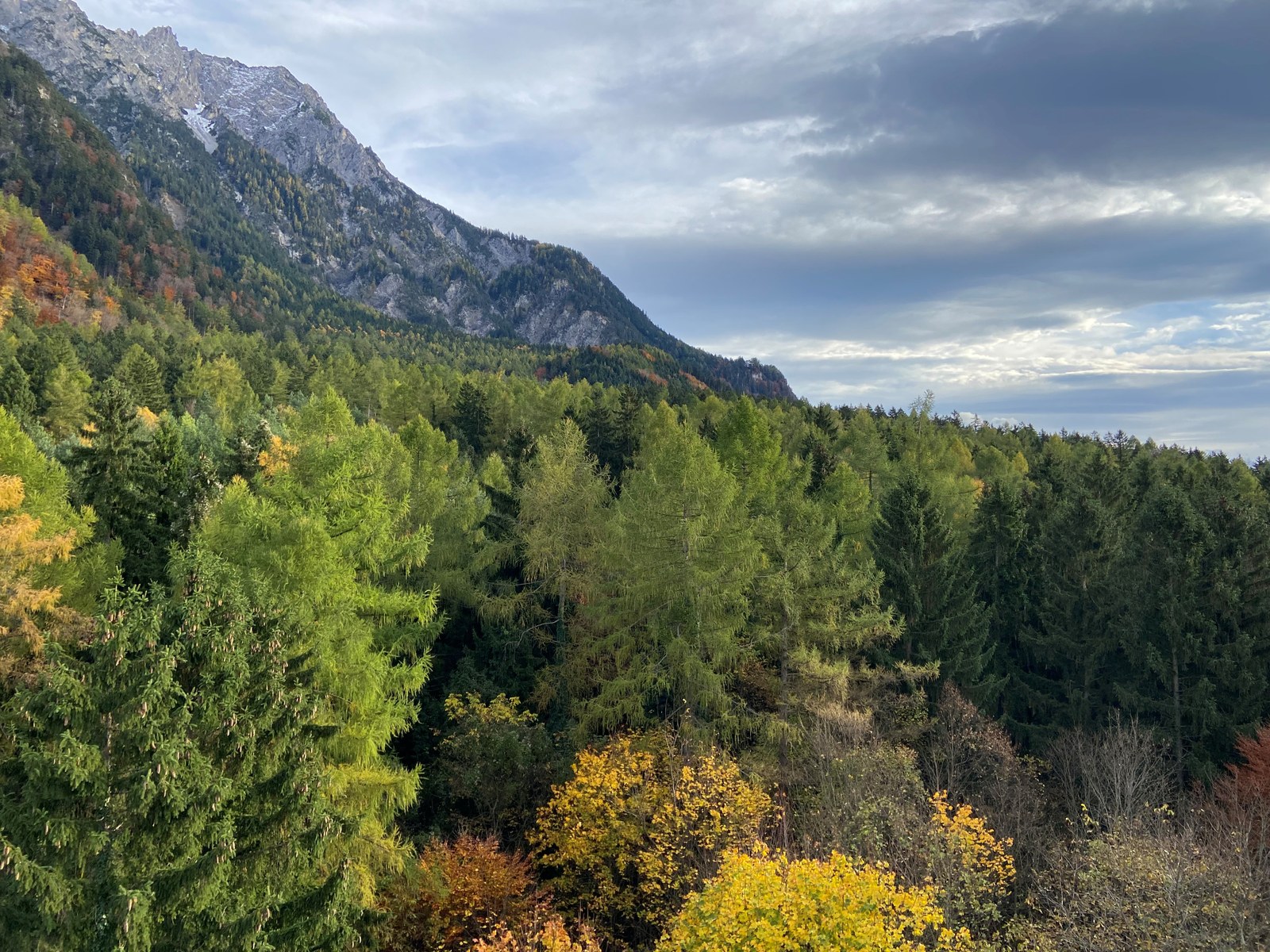
More than 40 percent of the Alpine region is covered by forests. They are not only a defining feature of the landscape, but also a cornerstone of Alpine livelihood, providing building materials, supporting biodiversity, and delivering essential ecosystem services.

CIPRA International

Do you want to know more about CIPRA International? Click here!

More articles

Local governance in mountain regions
(01.12.2005) Around 150 representatives of six mountain regions convened for an exchange of experience and knowledge on the role of local governance in sustainable development at a meeting held in Bishkek (Kyrgyzstan) from 16 to 18 November. The aim of the conference was to consolidate existing networks and promote sustainable development at community level. Participants from the Central Asian mountain regions of Pamir and Tien Shan, from the Altai, the Carpathians, the Caucasus and the Alps seized the opportunity to exchange their experience and establish contacts for further co-operations.
CIPRA Yearly Symposium 2006: tourism and regional planning in weather stress
(01.12.2005) The 2006 Yearly Symposium of the International Commission for the Protection of the Alps (CIPRA) is to be held in Bad Hindelang/D from 18 to 20 May. The Symposium is to focus on the growing threat to alpine regions posed by natural hazards and the impact of the climate change on alpine tourism.
Alpine landscape too bright at night
Swiss researchers have conducted a study to examine the extent to which man-made lighting has penetrated mountain regions since the 1970s. The comparison of satellite imagery shows that areas which previously were lit only in isolated spots - if at all - are now increasingly exposed to night time lighting.
New issue of the Journal of Alpine Research series
The latest issue of the Revue de Géographie Alpine series comprises five specialist articles on a variety of topics. One article examines the causes of flooding and the measures that are necessary to prevent it based on the example of the Isère/F region while another article focuses on sustainable water management in general.

Events

  • 2026-03-23T00:00:00+01:00
  • 2026-03-27T23:59:59+01:00
Mar 23, 2026 - Mar 27, 2026
Youth Parliament to the Alpine Convention: Climate Resilient Development
  • 2026-03-24T00:00:00+01:00
  • 2026-03-27T23:59:59+01:00
  • Ljubljana
Mar 24, 2026 - Mar 27, 2026
The Better-Cities Event Ljubljana
  • 2026-04-07T00:00:00+02:00
  • 2026-04-17T23:59:59+02:00
  • online
Apr 07, 2026 - Apr 17, 2026
Local Peaks, Global Learning online
  • 2026-04-21T00:00:00+02:00
  • 2026-04-23T23:59:59+02:00
  • MUCEM, Marseille/France
Apr 21, 2026 - Apr 23, 2026
Transhumance as Intangible Cultural Heritage of Humanity: A Way Forward? MUCEM, Marseille/France
  • 2026-04-22T00:00:00+02:00
  • 2026-04-23T23:59:59+02:00
  • Vienna/Austria
Apr 22, 2026 - Apr 23, 2026
Growing alternative crops for new market opportunities in a changing climate Vienna/Austria

Projects & activities

Alpine Convention - Sectoral development of the Green Economy in the Alpine region
[Project completed] Promoting environmentally sustainable growth while recognising ecological limits: the Green Economy is low-carbon, resource-efficient and socially inclusive. This form of economy preserves the Alpine ecosystem while making use of existing natural capital.
Reset Alpine Tourism
[Project completed] "Reset Alpine Tourism" brought together relevant tourism stakeholders to discuss climate protection and sustainable development in tourism.
speciAlps2
speciAlps2
[Project completed] More and more people are seeking recreation and balance in the natural surroundings of the Alps. This trend is not only being reinforced by the corona crisis, but also by society’s increasing pressure to perform. This puts increasing pressure on animals and plants, but also on destinations with their infrastructure and inhabitants. It is essential for visitors to be guided: the speciAlps2 project raised awareness of the protection of nature and landscape in the Alps and developed measures to guide visitors.