Political positions of CIPRA

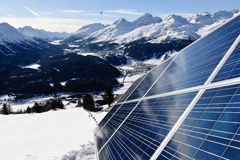
Make the Alps energy self-sufficient! CIPRA-demands - Energy self-sufficient regions
Not having to depend on energy imports: this vision holds great fascination for many regions. Self-sufficiency is "in." There are already many very positive approaches and examples of attempts to go down this road. At the heart of all the concepts is the idea of meeting demand through regional renewable sources of energy, saving energy and using energy more efficiently. Anyone who systematically takes this approach in an attempt to create an energy self-sufficient region changes the face of their region and its structures - to the benefit of their own economy, society and the environment.
cc.alps: CIPRA's demands for agriculture
The agricultural sector is directly affected by climate change impacts but it also contributes to the release of greenhouse gases (GHG) and rising concentrations of GHG in the atmosphere. A sustainable climate response strategy in the field of agriculture involves anticipating, planning and long-term thinking from farm level to transnational level. Prominent fields of activity are sustainable land and soil management, sustainable water management, managing manure and soil carbon as well as organic agriculture as an overall strategy. As agriculture is a highly subsidized economic sector, subvention policy can be used as a lever to guide the sector to sustainability and climate neutrality.
Only climate-friendly tourism is sustainable: cc.alps - CIPRA’s demands for tourism in climate change
Climate change is a major challenge to Alpine tourism. It has to adapt to climate change and at the same time become more climate-friendly. There is a particularly large potential for reduction of CO2 emissions in the key areas of traffic and energy. Tourism is a branch of the economy which is heavily subsidized. Therefore public policy can and must direct developments towards sustainability through the support given to tourism. The present discussion about developments in the tourism industry is dominated by the large chair lift companies which are essentially fixed on ski tourism and the maintenance of the status quo. But focusing only on snow and skiing means promoting a capital-intensive, highly technological form of Alpine tourism and a monoculture. This is neither climatologically nor environmentally sustainable.

News on Alpine Politics

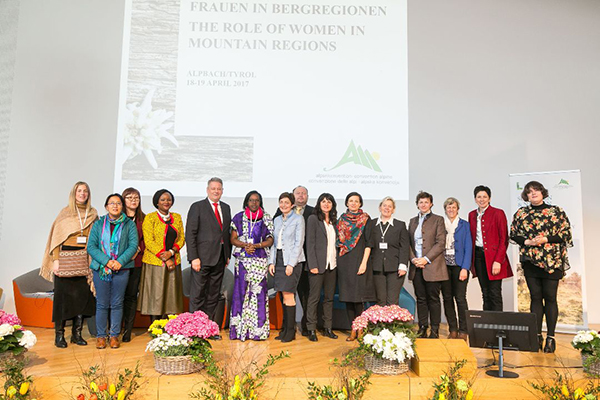
Alpine Convention puts equality on the agenda
With a women’s conference and a declaration, the Austrian presidency has placed a new topic on the agenda of the Alpine Convention – and raised expectations. But where do things go from here?
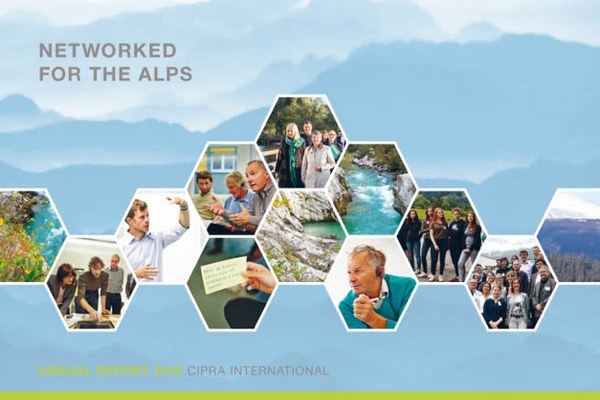
Networked for the Alps
CIPRA is a small organisation that can boast a large network. Its annual report shows how this permits people to tackle the challenges facing the Alps together.
Point of view: Adaptation to climate change is inevitable
Despite progress in international climate policy, a rise in temperatures is inevitable. An adaptation now will save costs later, states Wolfgang Pfefferkorn, project manager for climate and energy at CIPRA International. Alpine regions are leading the way.
The Alpine Convention declares itself in favour of the “Green Economy”
How should a sustainable economy in the Alpine region look? The Alpine conference held in Grassau, Germany, in October 2016 adopted a report on this topic: its implementation will show how well-suited it actually is.

Point of view of CIPRA

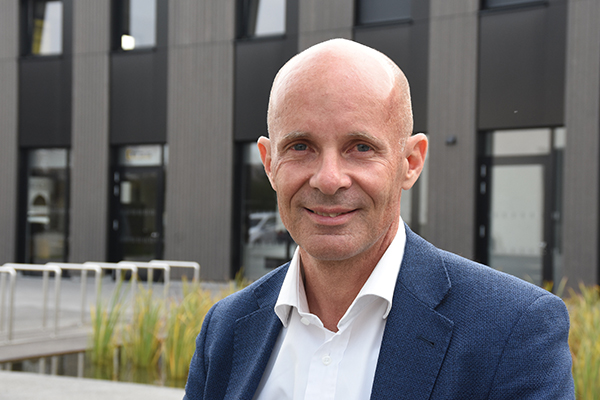
Point of view: Let’s plan the energy transition and restoration together!
Alpine spatial planning can help to resolve the contradictions between restoration and the expansion of renewable energy. This requires joint efforts involving the interests of the population and environmental organisations, says Paul Kuncio, Executive Director of CIPRA Austria.
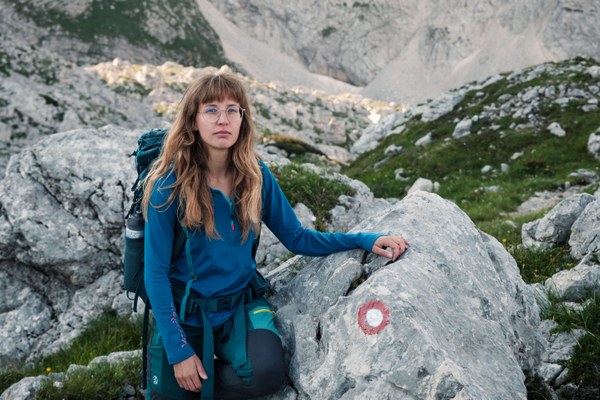
Point of view: Let’s prioritise youth over tourism
We want young people to stay on the land, but the demands of tourism, high property prices and the landscape as an object of speculation make this difficult. We talk about the fight against the climate and biodiversity crisis, all while shopping centres and business parks are being built in the countryside. Environmental protection and solutions to the housing crisis should be prioritised, as this would also be in the interests of young people, says Dijana Čataković from CIPRA Slovenia. She asks: Who else will be able to live in the Alps and afford to live there?
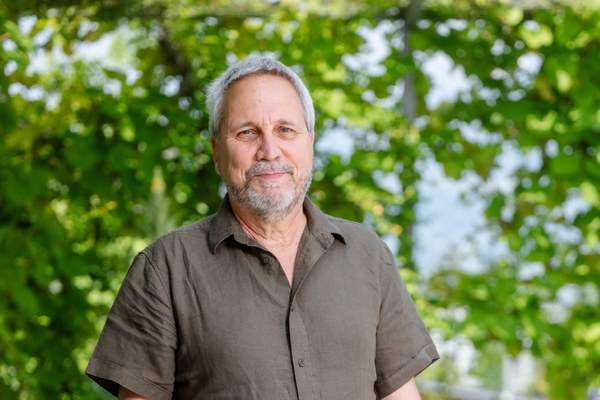
Point of view: European elections 2024: why a Swiss citizen would also like to vote
Switzerland’s referendum-based democracy has pitfalls of its own when it comes to environmental and climate policy. There needs to be an overarching corrective, such as neighbouring countries have in their constitutional courts and through the legal institutions of the EU, says Kaspar Schuler – as a Swiss citizen and Executive Director of CIPRA International.