Political positions of CIPRA

Make the Alps energy self-sufficient! CIPRA-demands - Energy self-sufficient regions
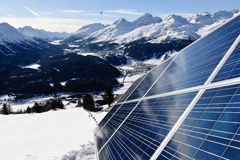
Not having to depend on energy imports: this vision holds great fascination for many regions. Self-sufficiency is "in." There are already many very positive approaches and examples of attempts to go down this road. At the heart of all the concepts is the idea of meeting demand through regional renewable sources of energy, saving energy and using energy more efficiently. Anyone who systematically takes this approach in an attempt to create an energy self-sufficient region changes the face of their region and its structures - to the benefit of their own economy, society and the environment.
cc.alps: CIPRA's demands for agriculture
The agricultural sector is directly affected by climate change impacts but it also contributes to the release of greenhouse gases (GHG) and rising concentrations of GHG in the atmosphere. A sustainable climate response strategy in the field of agriculture involves anticipating, planning and long-term thinking from farm level to transnational level. Prominent fields of activity are sustainable land and soil management, sustainable water management, managing manure and soil carbon as well as organic agriculture as an overall strategy. As agriculture is a highly subsidized economic sector, subvention policy can be used as a lever to guide the sector to sustainability and climate neutrality.
Only climate-friendly tourism is sustainable: cc.alps - CIPRA’s demands for tourism in climate change
Climate change is a major challenge to Alpine tourism. It has to adapt to climate change and at the same time become more climate-friendly. There is a particularly large potential for reduction of CO2 emissions in the key areas of traffic and energy. Tourism is a branch of the economy which is heavily subsidized. Therefore public policy can and must direct developments towards sustainability through the support given to tourism. The present discussion about developments in the tourism industry is dominated by the large chair lift companies which are essentially fixed on ski tourism and the maintenance of the status quo. But focusing only on snow and skiing means promoting a capital-intensive, highly technological form of Alpine tourism and a monoculture. This is neither climatologically nor environmentally sustainable.

News on Alpine Politics

Sustainable traffic management, not lawsuits
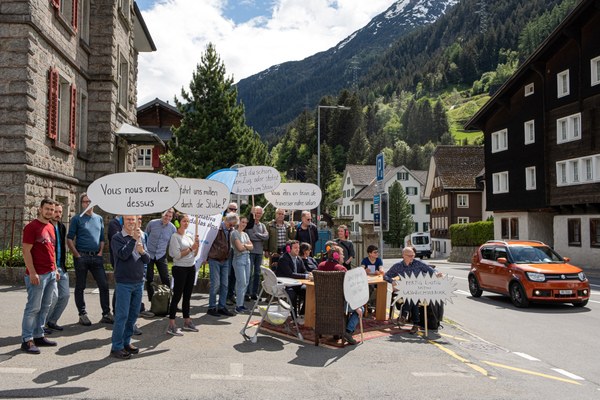
CIPRA representatives along the transport axis over the Brenner Pass are calling for sustainable traffic management instead of populist grievances. Now Switzerland is facing a renewed increase in traffic.
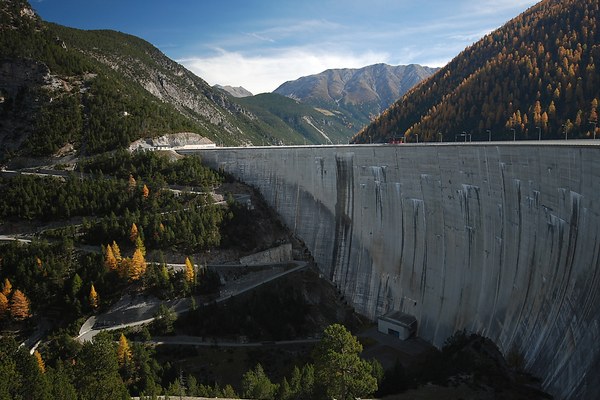
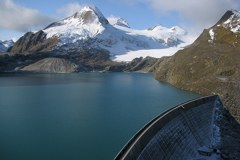
New Alpine reservoirs to combat water shortages
Frequent droughts, thirsty agriculture: Italy is discussing the construction of additional reservoirs to supply drinking water and energy. More ecologically sound solutions are in danger of falling by the wayside.
Point of view: European elections 2024: why a Swiss citizen would also like to vote
Switzerland’s referendum-based democracy has pitfalls of its own when it comes to environmental and climate policy. There needs to be an overarching corrective, such as neighbouring countries have in their constitutional courts and through the legal institutions of the EU, says Kaspar Schuler – as a Swiss citizen and Executive Director of CIPRA International.
Climate protection becomes a human right
A legal milestone for climate protection: on 9 April 2024, the European Court of Human Rights (ECtHR) ruled that Switzerland is violating the human rights of older women because the country is not doing what is necessary to combat global warming.

Point of view of CIPRA

CIPRA's point of view:  60 years of CIPRA
CIPRA's point of view: 60 years of CIPRA
The International Commission for the Protection of the Alps, CIPRA, has reason to celebrate. On 5 May this umbrella organisation, containing some one hundred members from all countries in the Alps, will turn 60.
CIPRA's point of view:  Knowing how to shape the climate
CIPRA's point of view: Knowing how to shape the climate
We should discharge no more greenhouse gases than the natural systems in the Alps, such as forests or moorlands, can absorb - CIPRA's vision, set out in its annual report, argues for sustained climate protection.
CIPRA's point of view:  Water on!
CIPRA's point of view: Water on!
Austria's checklist for the building of hydroelectric power plants is technically sound, offering transparency for building permits, but no protection for ecologically intact waters.