Political positions of CIPRA

cc.alps: CIPRA Demands – Energy self-sufficient regions
Not having to depend on energy imports: this vision holds great fascination for many regions. Self-sufficiency is “in.” There are already many very positive approaches and examples of attempts to go down this road. At the heart of all the concepts is the idea of meeting demand through regional renewable sources of energy, saving energy and using energy more efficiently. Anyone who systematically takes this approach in an attempt to create an energy self-sufficient region changes the face of their region and its structures – to the benefit of their own economy, society and the environment.
cc.alps: CIPRA Demands on Spatial Planning
The Alps are different. The Alpine range is characterized by special features that need to be taken into account in spatial development and climate protection.
cc.alps: CIPRA demands on transport
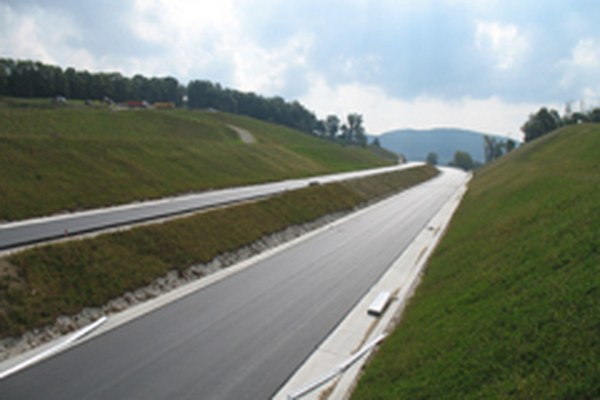
Transport, in particular by car and truck, is one of the main causes of climate change. In the Alpine countries transport accounts for more than 25 percent of the release of greenhouse gases and is of special importance in the increase of these gases since 1990. A wrong development, running counter to the political objective to reduce exhaust emissions. In the Alps, the percentage of journeys made by car is higher than European average.

News on Alpine Politics

The Youth Parliament to the Alpine Convention campaigns for Alpine protected areas
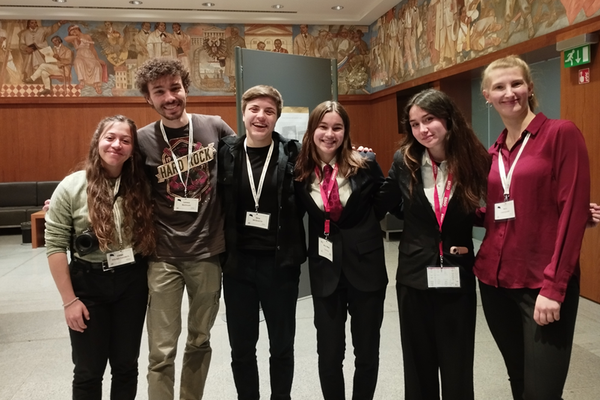
A limited number of entrance tickets for protected areas, the designation of infrastructure-free zones and an excursion to protected areas anchored in the curriculum: the 18th Youth Parliament to the Alpine Convention (YPAC) focused on Alpine nature reserves. For the first time, there was also an exchange with the CIPRA Youth Council.
The urban exodus and the climate
Many mountain regions in the Alps are affected by out-migration. However, climate change is also causing some people to migrate – at least temporarily – from the cities to the mountains, as an Italian research project shows.
Point of view: Mountains for everyone? Not a chance!
Access to the mountains and mountain sports is often unfair, exclusive, segregating and discriminatory. Henriette Adolf, Deputy Executive Director of CIPRA Germany, argues in favour of equal participation in mountain sports.
2030 Winter Olympics in Nice
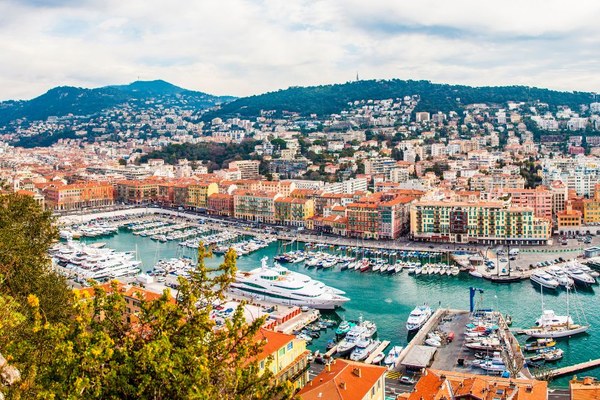
Switzerland’s idea of decentralised, sustainable games has been rejected by the IOC. Instead, the French Mediterranean city of Nice is very likely to be awarded the contract.

Point of view of CIPRA

Point of view: the excessive character of the Olympics
High construction costs, unused sports facilities, environmentally damaging large-scale projects: loud criticism continues to surround the staging of the 2026 Winter Olympics in Milan and Cortina/I. We must ask whether such sporting events still have a place in the Alps, says Vanda Bonardo, President of CIPRA Italy.
Point of view: Let's finally press the reset button in tourism!
Mass tourism in the Alps has collapsed due to the ongoing Corona pandemic, and the opportunities for switching to environmentally and socially just tourism have increased. But they must also be exploited, says Hans Weber, Executive Director of CIPRA Switzerland.
Point of view: Water will not tolerate resistance
Extreme weather conditions are also increasingly affecting the Alps. The climate crisis is driving this development. Can more and more dams, barriers or power stations solve the problem and at the same time satisfy the growing hunger for energy? We must work with the power of water rather than against it, says Kaspar Schuler, CIPRA’s Executive Director and co-author of CIPRA’s new position paper on hydropower.