Political positions of CIPRA

cc.alps: CIPRA Demands – Energy self-sufficient regions
Not having to depend on energy imports: this vision holds great fascination for many regions. Self-sufficiency is “in.” There are already many very positive approaches and examples of attempts to go down this road. At the heart of all the concepts is the idea of meeting demand through regional renewable sources of energy, saving energy and using energy more efficiently. Anyone who systematically takes this approach in an attempt to create an energy self-sufficient region changes the face of their region and its structures – to the benefit of their own economy, society and the environment.
cc.alps: CIPRA Demands on Spatial Planning
The Alps are different. The Alpine range is characterized by special features that need to be taken into account in spatial development and climate protection.
cc.alps: CIPRA demands on transport
Transport, in particular by car and truck, is one of the main causes of climate change. In the Alpine countries transport accounts for more than 25 percent of the release of greenhouse gases and is of special importance in the increase of these gases since 1990. A wrong development, running counter to the political objective to reduce exhaust emissions. In the Alps, the percentage of journeys made by car is higher than European average.

News on Alpine Politics

Italy to chair Alpine Convention in 2025
Italy is preparing to chair the Alpine Convention for the period 2025-2026, while Liechtenstein and Austria will co-chair the EU Strategy for the Alpine Region (EUSALP) in 2025. Sustainability and cross-border cooperation are the focus of both initiatives.
The battle for Alpine water
A revival of the hydropower boom: 70 years ago, many Alpine rivers were dammed for the benefit of power stations, while valuable high valleys were built over. Today, new requirements are threatening their ecological functions. In view of the dwindling glaciers and increasing utilisation demands, a distribution battle is looming.
Protecting Alpine biodiversity
In September 2024, CIPRA launched two innovative Interreg projects: LiveAlpsNature and AlpsLife. These projects are helping to protect biodiversity in the Alps and meet the growing challenges posed by the climate crisis and intensive tourism.
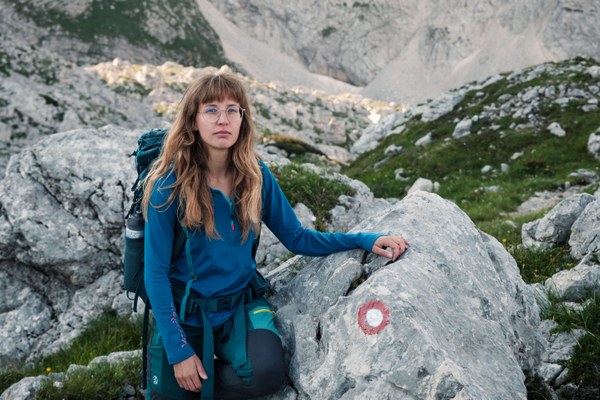
Point of view: Let’s prioritise youth over tourism
We want young people to stay on the land, but the demands of tourism, high property prices and the landscape as an object of speculation make this difficult. We talk about the fight against the climate and biodiversity crisis, all while shopping centres and business parks are being built in the countryside. Environmental protection and solutions to the housing crisis should be prioritised, as this would also be in the interests of young people, says Dijana Čataković from CIPRA Slovenia. She asks: Who else will be able to live in the Alps and afford to live there?

Point of view of CIPRA

Point of view: We need an Alpine Ticket for public transport
Homeschooling, no public transport and closed borders: the corona crisis has revealed some aspects of life that people did not previously appreciate so much. An Alps-wide ticket for public transport could tackle all of these issues, as Rok Brišnik explains. He studies Geography and History at the University of Ljubljana/SI and is a member of the CIPRA Youth Council (CYC).
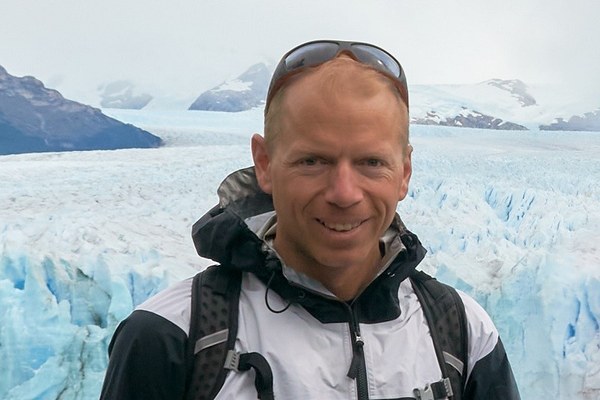
Point of view: For a cultural change in transit traffic
Trade has been the driving force behind cultural and social development in the Alpine region. Transit traffic in its current form, on the other hand, mainly benefits regions away from the Alps. To ban noise and exhaust fumes from the Alpine valleys we need more than a watered-down EU directive, says Stephan Tischler, President of CIPRA Austria.
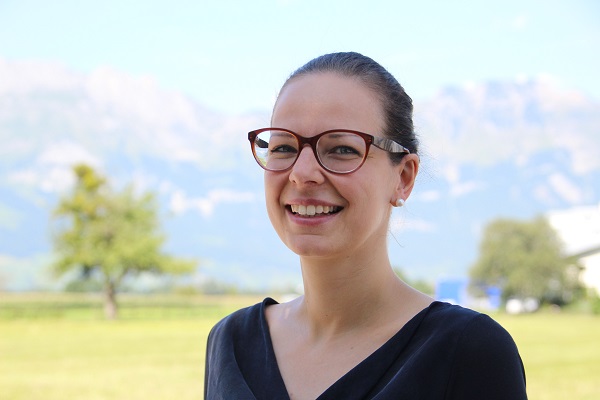
Point of view: A plea for colourful cities
Corona has strikingly shown how important accessible local recreation areas are for our well-being. Over 70 percent of the Alpine population live in cities. There is a great deal of potential for action there in particular, says Magdalena Holzer, Project Manager at CIPRA International.