Political positions of CIPRA

cc.alps: CIPRA Demands – Energy self-sufficient regions
Not having to depend on energy imports: this vision holds great fascination for many regions. Self-sufficiency is “in.” There are already many very positive approaches and examples of attempts to go down this road. At the heart of all the concepts is the idea of meeting demand through regional renewable sources of energy, saving energy and using energy more efficiently. Anyone who systematically takes this approach in an attempt to create an energy self-sufficient region changes the face of their region and its structures – to the benefit of their own economy, society and the environment.
cc.alps: CIPRA Demands on Spatial Planning
The Alps are different. The Alpine range is characterized by special features that need to be taken into account in spatial development and climate protection.
cc.alps: CIPRA demands on transport
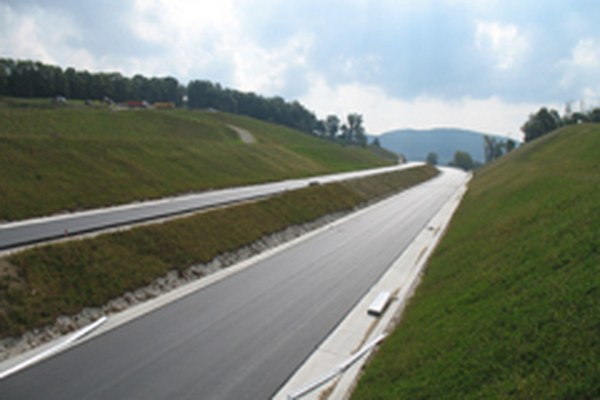
Transport, in particular by car and truck, is one of the main causes of climate change. In the Alpine countries transport accounts for more than 25 percent of the release of greenhouse gases and is of special importance in the increase of these gases since 1990. A wrong development, running counter to the political objective to reduce exhaust emissions. In the Alps, the percentage of journeys made by car is higher than European average.

News on Alpine Politics

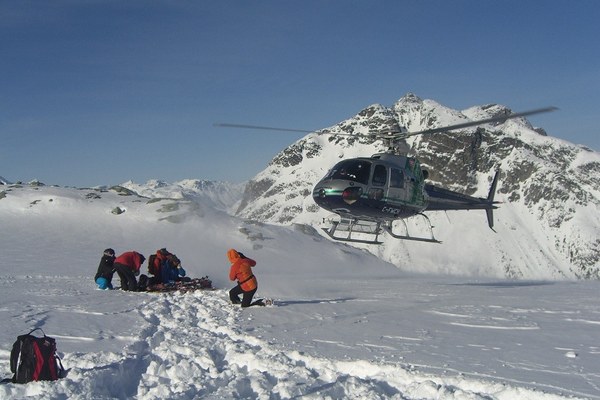
Onto the slopes by helicopter
Is heliskiing in the public interest? Vorarlberg extends its authorisation by two and a half years: CIPRA Austria calls for greater emphasis on climate protection.
Winter Games on a slippery slope
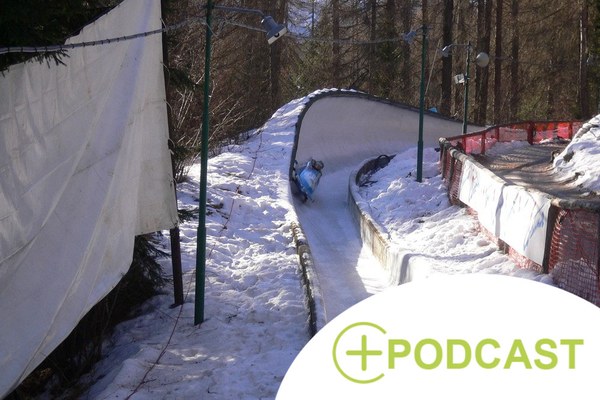
History repeats itself: after the fiasco surrounding the construction ruins in Turin in 2006, the plans for Italy's supposedly “green” Winter Games in Milan and Cortina in 2026 are now too coming under criticism.
New alliance for European mountain regions
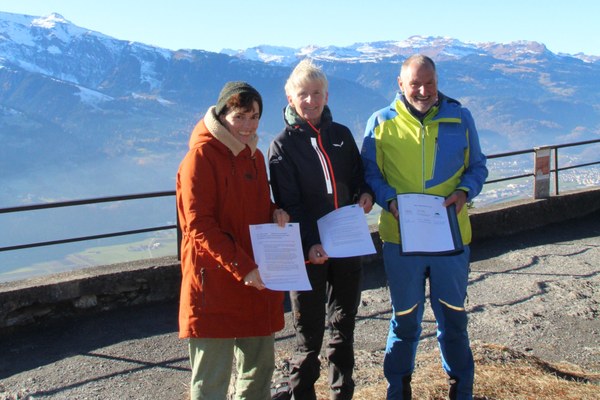
Three umbrella organizations committed to mountaineering and sustainability in European mountain regions decided, at the end of November 2021, to join forces: the Club Arc Alpin (CAA), the European Union of Mountaineering Associations (EUMA) and the International Commission for the Protection of the Alps (CIPRA).
For drinkable water
For drinkable water
In a referendum held at the beginning of July, Slovenia’s citizens voted by a clear majority in favour of preserving the shore and coastal zones. In doing so, they overturned a new law that would also have affected Alpine waters.

Point of view of CIPRA

Point of view: Let’s plan the energy transition and restoration together!
Alpine spatial planning can help to resolve the contradictions between restoration and the expansion of renewable energy. This requires joint efforts involving the interests of the population and environmental organisations, says Paul Kuncio, Executive Director of CIPRA Austria.
Point of view: Let’s prioritise youth over tourism
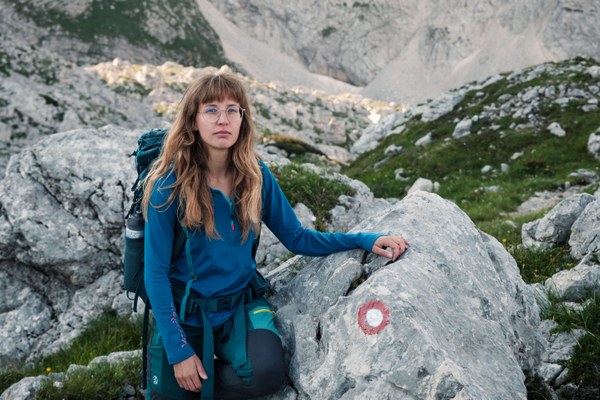
We want young people to stay on the land, but the demands of tourism, high property prices and the landscape as an object of speculation make this difficult. We talk about the fight against the climate and biodiversity crisis, all while shopping centres and business parks are being built in the countryside. Environmental protection and solutions to the housing crisis should be prioritised, as this would also be in the interests of young people, says Dijana Čataković from CIPRA Slovenia. She asks: Who else will be able to live in the Alps and afford to live there?
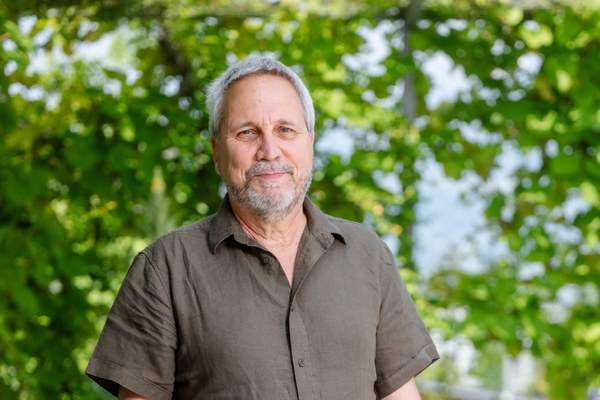
Point of view: European elections 2024: why a Swiss citizen would also like to vote
Switzerland’s referendum-based democracy has pitfalls of its own when it comes to environmental and climate policy. There needs to be an overarching corrective, such as neighbouring countries have in their constitutional courts and through the legal institutions of the EU, says Kaspar Schuler – as a Swiss citizen and Executive Director of CIPRA International.