Political positions of CIPRA

cc.alps: CIPRA Demands – Energy self-sufficient regions
Not having to depend on energy imports: this vision holds great fascination for many regions. Self-sufficiency is “in.” There are already many very positive approaches and examples of attempts to go down this road. At the heart of all the concepts is the idea of meeting demand through regional renewable sources of energy, saving energy and using energy more efficiently. Anyone who systematically takes this approach in an attempt to create an energy self-sufficient region changes the face of their region and its structures – to the benefit of their own economy, society and the environment.
cc.alps: CIPRA Demands on Spatial Planning
The Alps are different. The Alpine range is characterized by special features that need to be taken into account in spatial development and climate protection.
cc.alps: CIPRA demands on transport
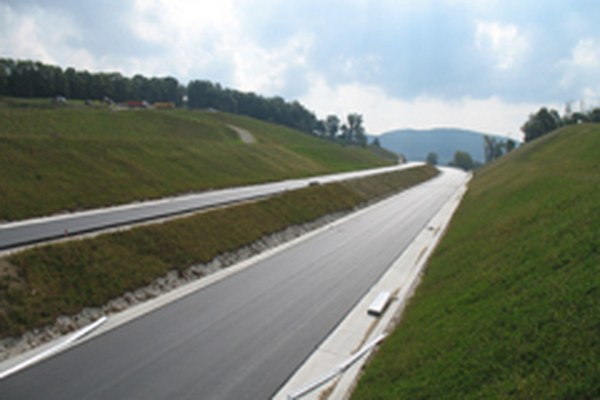
Transport, in particular by car and truck, is one of the main causes of climate change. In the Alpine countries transport accounts for more than 25 percent of the release of greenhouse gases and is of special importance in the increase of these gases since 1990. A wrong development, running counter to the political objective to reduce exhaust emissions. In the Alps, the percentage of journeys made by car is higher than European average.

News on Alpine Politics

Point of view: The Alps: on course for sustainability
It is time to reflect on the unique values of the Alps, emphasises the President of CIPRA International, Katharina Conradin, after her first 100 days in office. Her plea is for a common goal: the Alps as a model region for sustainability.
Point of view: Protecting the Alps – the responsibility of people
The diversity of the Alps is a challenge that at the same time holds great potential. It is up to the new German presidency of the Alpine Convention to put this into effect, states Federica Corrado, President of CIPRA Italy.
CIPRA presents pioneers of sustainable living
Lifestyles and economies that use fewer resources require new thinking and action that go beyond narrow limits and consumerism. This is the conclusion of the CIPRA annual conference held in Annecy, France.
Macro-region Alps: get involved!
The European strategy for the Alps could compensate for the shortcomings of the Alpine Convention, says Claire Simon, Executive Director of CIPRA International. Now, during the consultation phase, is an opportunity to participate and demand sustainability.

Point of view of CIPRA

CIPRA's point of view:  60 years of CIPRA
CIPRA's point of view: 60 years of CIPRA
The International Commission for the Protection of the Alps, CIPRA, has reason to celebrate. On 5 May this umbrella organisation, containing some one hundred members from all countries in the Alps, will turn 60.
CIPRA's point of view:  Knowing how to shape the climate
CIPRA's point of view: Knowing how to shape the climate
We should discharge no more greenhouse gases than the natural systems in the Alps, such as forests or moorlands, can absorb - CIPRA's vision, set out in its annual report, argues for sustained climate protection.
CIPRA's point of view:  Water on!
CIPRA's point of view: Water on!
Austria's checklist for the building of hydroelectric power plants is technically sound, offering transparency for building permits, but no protection for ecologically intact waters.