Political positions of CIPRA

cc.alps: CIPRA Demands – Energy self-sufficient regions
Not having to depend on energy imports: this vision holds great fascination for many regions. Self-sufficiency is “in.” There are already many very positive approaches and examples of attempts to go down this road. At the heart of all the concepts is the idea of meeting demand through regional renewable sources of energy, saving energy and using energy more efficiently. Anyone who systematically takes this approach in an attempt to create an energy self-sufficient region changes the face of their region and its structures – to the benefit of their own economy, society and the environment.
cc.alps: CIPRA Demands on Spatial Planning
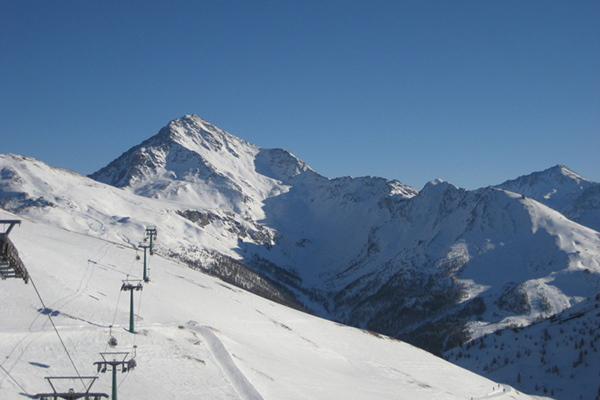
The Alps are different. The Alpine range is characterized by special features that need to be taken into account in spatial development and climate protection.
cc.alps: CIPRA demands on transport
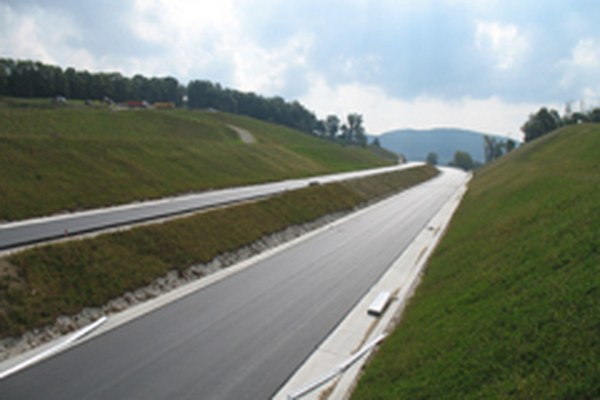
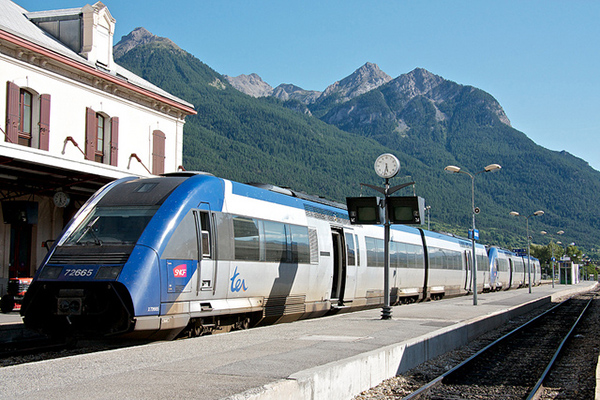
Transport, in particular by car and truck, is one of the main causes of climate change. In the Alpine countries transport accounts for more than 25 percent of the release of greenhouse gases and is of special importance in the increase of these gases since 1990. A wrong development, running counter to the political objective to reduce exhaust emissions. In the Alps, the percentage of journeys made by car is higher than European average.

News on Alpine Politics

No pardon for crimes against the environment
Damaging the environment in Italy can henceforth be punished with a jail term of up to fifteen years. Environmental legislation was also a concern of CIPRA co-founder Wolfgang Burhenne. A biography is now dedicated to him.
Point of view: Making the Alpine Convention more interactive
The effectiveness of the Alpine Convention is often called into question. A new approach could help reposition it as an engine of co-operation and sustainable development in the Alpine regions, says Claire Simon, Executive Director of CIPRA International.
New French policy for the mountains
Thirty years ago, France passed a special law for its mountain areas. It is now undergoing a review. Here is a summary of the most significant amendments.
New models for a better life
The western economic model consumes the natural resources of three planet Earths. And it is spreading to developing countries – we are their role model.

Point of view of CIPRA

Point of view: The Alps are not an endless source of energy!
Solar, wind and hydropower are helping us become less dependent on fossil fuels such as coal, oil and gas. This can also be done without sacrificing the last biodiversity hotspots in the Alps, says Isabella Helmschrott, Executive Director of CIPRA Switzerland.
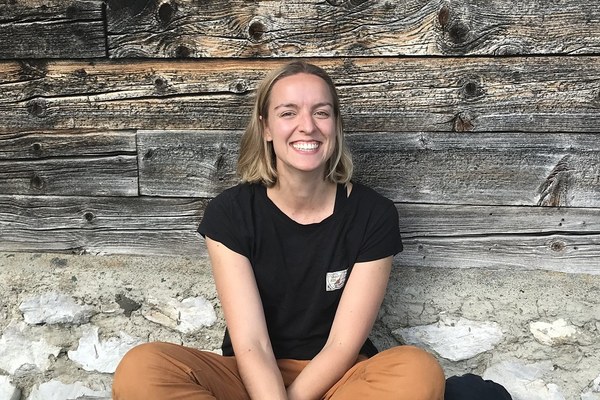
Point of view: We need more young people in the Alps
Ageing, emigration and dying villages are typical problems for many mountain regions. It must therefore become attractive for young people to live in the Alps again, says Kathrin Holstein, member of CIPRA’s Youth Council and staff member of the Alliance in the Alps network of municipalities.

Point of view: Let’s create an “Alpine Plan” for all Alpine regions!
The Bavarian Alpine Plan celebrates its 50th anniversary in 2022. Alpine spatial planning has proven here that it is predestined to find solutions to the pressing issues of the day. Similar planning instruments are lacking in many Alpine regions, although we need them more urgently than ever, claim Paul Kuncio, Executive Director of CIPRA Austria, and Uwe Roth, Executive Director of CIPRA Germany.