
Political positions of CIPRA
cc.alps: CIPRA Demands on Nature Protection
When climate changes, nature feels it. Mountain areas are particularly sensitive, and the greatest losses in terms of plant and animal species may occur precisely there. According to scientific estimates, almost every second plant species in the Alps is threatened with extinc-tion by 2100. For the flora with the highest number of varieties in Central Europe this would be an enormous loss. Because of global warming, also well-known animal species such as the Alpine ibex, the snow grouse and the mountain hare will experience far worse living con-ditions in the Alps.
cc.alps: CIPRA Demands on Energy
In order to limit global warming, first of all it is important that we use energy more efficiently. Yet this will not be enough for operating in a way that climate can sustain. We must radically change our energy consumption and our consumption of energy-intensive goods and services. Experience shows that consumption only goes down when clear political signals are sent - which include legislative initiatives, rewarding energy saving and punishing waste. The switch from fossil to renewable energies must be forced - but not to the detriment of nature. Biomass production, the installation of wind power turbines and new hydroelectric power stations in the Alps hide many potential conflicts. The environmental, social and economic consequences of climate projects must be carefully assessed and compared.
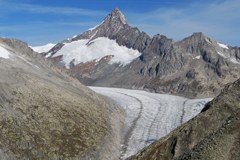
Resolution of Bolzano
"During this conference CIPRA expressed its strong expectations with regard to the outcome of the 15th Conference of the Contracting Parties of the United Nations Framework Convention on Climate Change, to be held in Copenhagen in December 2009. Further more, CIPRA calls upon the governments of the Alpine countries and upon those of the main industrialised countries, to show extraordinary commitment to achieve a distinct acceleration in climate change prevention policies at the global meeting in Copenhagen, in the light of new evidence and the confirmation of the seriousness of the phenomenon."
News on Alpine Politics
Veronika Hribernik, CIPRA International
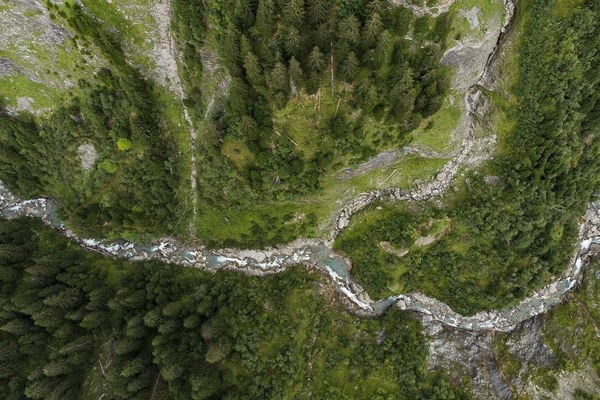
How much hydropower is ecologically sustainable ?
Renovate power plants instead of building new ones, preserve the last freshwater pearls, coordinate use and protection across countries: CIPRA has published a position paper with detailed technical demands on the use of hydropower in the Alps.
Kaspar Schuler, CIPRA International
Point of view: Water will not tolerate resistance
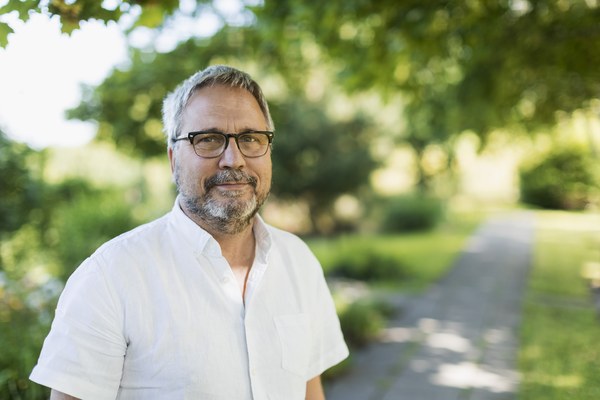
Extreme weather conditions are also increasingly affecting the Alps. The climate crisis is driving this development. Can more and more dams, barriers or power stations solve the problem and at the same time satisfy the growing hunger for energy? We must work with the power of water rather than against it, says Kaspar Schuler, CIPRA’s Executive Director and co-author of CIPRA’s new position paper on hydropower.
Michael Gams, CIPRA International
Under the magnifying glass
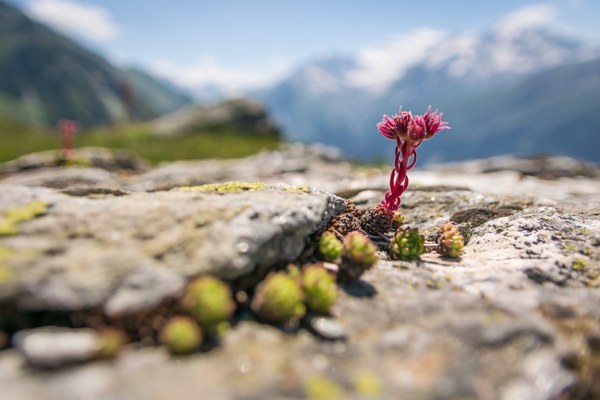
What treasures and resources are hidden in the Alps? How do we deal with them as sustainably as possible? These and similar questions are posed in the August 2021 issue of SzeneAlpen.
Veronika Hribernik, CIPRA International
Mobile in the Alps
By rail, by road, by mountain path: numerous CIPRA projects show just how diverse sustainable mobility can be.
Point of view of CIPRA
alpMedia
CIPRA's point of view: An appeal for the mountains
Bigger, faster, further: not even the mountains are immune to this mantra of growth. CIPRA France is thus seeking visions for a sustainable future for both people and mountains.