
Political positions of CIPRA
Action Plan on Climate Change in the Alps
The Action Plan following the Ministers' Declaration of Alpbach rests on the joint commitments taken by the Alpine countries which fall under the Framework Convention on climate change and the Kyoto Protocol. This Action Plan is part of the ongoing discussions to reach a comprehensive and ambitious post-2012 agreement and takes into account the commitments made in this regard by the European Union. Its aim is to go beyond the general framework to offer concrete measures that are specific to the Alps by promoting, both in terms of mitigation and adaptation, themes and measures that could be the subject of regional co-operations in the frame of the Alpine Convention, and by taking into account actions that are already in place on a national, regional and local level. The Action Plan on Climate contributes to both the global effort aiming at reducing greenhouse effect following international commitments by the Contracting Parties and to the quality of life of Alpine populations for present and future generations.
Factsheet to the „Eurovignette III“
The International Commission for the Protection of the Alps (CIPRA International) very much welcomes the fact that the EU now intends to set a course that reflects the true costs of transport and is taking a first step by amending Directive 2006/38/EC ("Eurovignette III"). The Directive must also relieve the burden on the Alpine region, which is particularly sensitive ecologically and whose population has to bear particularly high external costs; it must also contribute more to sustainability in freight transport. One important step is a sound directive on transport infrastructure costs, i.e. one that includes the efficient and consistent allocation of all relevant costs. Everyone stands to benefit from its success: the population, with a healthier, safer and better quality of life, and the transport industry, with more reliable transit routes. Indeed, the risks affect the local population as much as they affect those travelling through.
Schaan Memorandum on the Future in the Alps
The future belongs to those who shape it. In the Alps countless initiatives involving thousands of activists are working to do just that. Yet many are unaware of the fact that elsewhere other people are working on precisely the same problems as they are. This is where the Future in the Alps, a project launched by CIPRA, the International Commission for the Protection of the Alps, comes into play. The scope of the project is to collect practical experience throughout the Alps, classify it and make it available to those who need it. It consists of a phase of collating knowledge and good projects, called alpKnowhow, a phase of processing and disseminating it, called alpService, and an implementation phase, called alpPerformance. CIPRA itself is not a research body, nor is it an educational institution; it is a non-governmental organisation, so it is mainly concerned with the questions of what the results of alpKnowhow mean politically and what demands can be derived from these results. To answer these questions CIPRA representatives from seven countries convened in Schaan/Liechtenstein on 8 and 9 December 2006. The demands and political conclusions on all topics are set out in the present Schaan Memorandum on the Future in the Alps.
News on Alpine Politics
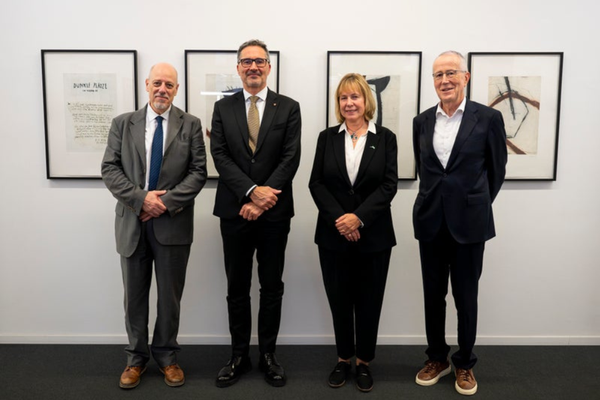
Sophie V. Mahlknecht, CIPRA International
Italy to chair Alpine Convention in 2025
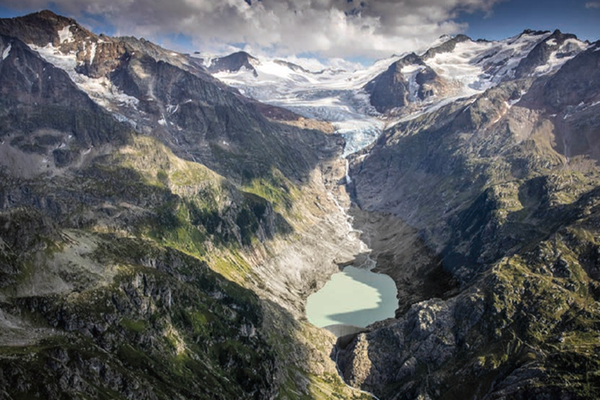
Italy is preparing to chair the Alpine Convention for the period 2025-2026, while Liechtenstein and Austria will co-chair the EU Strategy for the Alpine Region (EUSALP) in 2025. Sustainability and cross-border cooperation are the focus of both initiatives.
Michael Gams, CIPRA International
The battle for Alpine water
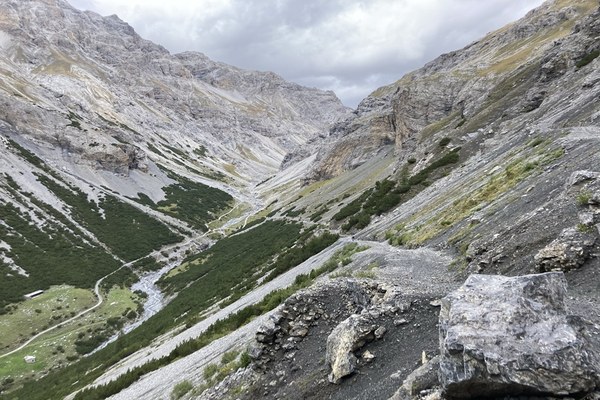
A revival of the hydropower boom: 70 years ago, many Alpine rivers were dammed for the benefit of power stations, while valuable high valleys were built over. Today, new requirements are threatening their ecological functions. In view of the dwindling glaciers and increasing utilisation demands, a distribution battle is looming.
Sophie V. Mahlknecht, CIPRA International
Protecting Alpine biodiversity
In September 2024, CIPRA launched two innovative Interreg projects: LiveAlpsNature and AlpsLife. These projects are helping to protect biodiversity in the Alps and meet the growing challenges posed by the climate crisis and intensive tourism.
Dijana Čataković
Point of view: Let’s prioritise youth over tourism
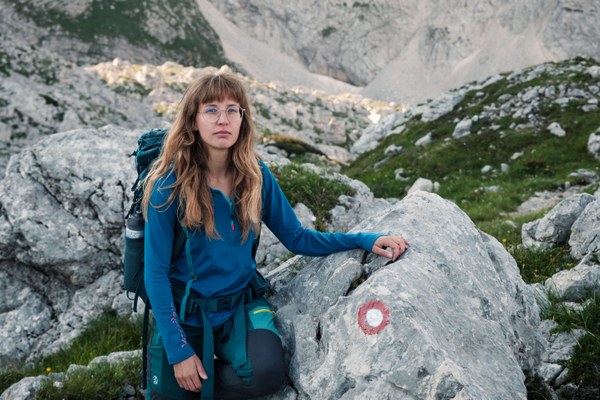
We want young people to stay on the land, but the demands of tourism, high property prices and the landscape as an object of speculation make this difficult. We talk about the fight against the climate and biodiversity crisis, all while shopping centres and business parks are being built in the countryside. Environmental protection and solutions to the housing crisis should be prioritised, as this would also be in the interests of young people, says Dijana Čataković from CIPRA Slovenia. She asks: Who else will be able to live in the Alps and afford to live there?
Point of view of CIPRA
alpMedia
CIPRA's point of view: An appeal for the mountains
Bigger, faster, further: not even the mountains are immune to this mantra of growth. CIPRA France is thus seeking visions for a sustainable future for both people and mountains.