Political positions of CIPRA

Resolution: Climate Protection and Climate Change Adaptation Strategies
The Alpine region is particularly affected by global climate changes, many of which are the result of man’s impact. The Alps are a particularly sensitive region and are affected all the more by the forecast changes such as the rise in annual average temperatures, the increase in extreme meteorological events, summer droughts and melting glaciers. It is CIPRA’s view that climate change represents one of the 21st century’s greatest challenges. Given the above it calls upon the European Union, the bodies of the Alpine Convention, all the Alpine states, the federal provinces, regions and cantons as well as all governmental and non-governmental authorities .. to intensify their climate protection efforts in order to reduce the greenhouse effect; .. to draw up sustainable strategies for dealing with the growing repercussions of climate change.
Resolution on the role of local government and administration in sustainable development
At a conference on the Role of Local Governments and Administrations in Sustainable Development held in 2005, representatives of the mountain regions of Central Asia, the Caucasus, the Carpathians, the Alps, the Altai and Mongolia adopted a resolution with recommendations aimed at managers involved in the development of mountain areas. In it they called for an exchange of positive experience between different mountain regions, education in sustainable development as a condition for active participation, and also for research and the transfer of technology and methodology. The resolution also contains concrete recommendations on decentralisation and reliable dialogue structures as a basis for sustainable development, sustainable economic development, and the role of local governance in the management of natural resources. It also underscores the importance of information and the role of women in sustainable development. Finally it sets out conditions for the effectiveness of alliances and conventions.
Declaration on protected areas in European mountain regions, Chambéry 2002
The Declaration on Protected Areas in European Mountain Regions emphasises the significance of biological and geological resources and water reserves in mountain regions. It stresses the necessity of targeted development and conservation measures as well as regional co-operation. Protected areas can serve as an experimental field for the development of conservation measures. Concrete steps proposed for the period 2003-2005 include the creation, in each European massif, of a mountain co-operation committee with representatives of governmental and non-governmental organisations. One of the tasks of the committees is to help disseminate information about models and methods to implement nature conservation and to transfer knowledge from research to improve the management of protected areas and sustainable development. Other important factors include encouraging partnerships, networks and joint projects as well as developing strategies for the active participation of populations.

News on Alpine Politics

A signal for climate protection
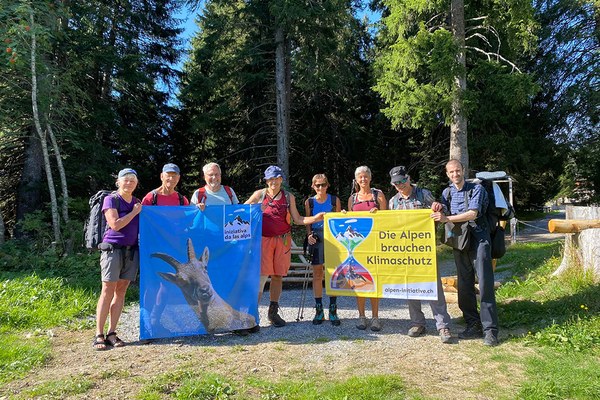
From Triglav National Park in Slovenia to Radnig in Austria and Gondo in Switzerland, on 13 August 2022 people came together to set an example for climate protection. This year’s «Fire in the Alps» was held under the motto «The Alps need climate protection».
Point of view: the excessive character of the Olympics
High construction costs, unused sports facilities, environmentally damaging large-scale projects: loud criticism continues to surround the staging of the 2026 Winter Olympics in Milan and Cortina/I. We must ask whether such sporting events still have a place in the Alps, says Vanda Bonardo, President of CIPRA Italy.
#alpinechangemaker wanted
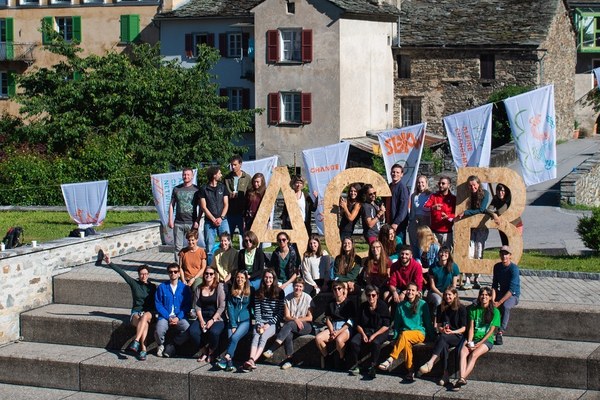
Projects for a good life in the Alps: highly motivated people from the Alpine region can apply until 15 May with ideas for the “Alpine Changemaker Basecamp” (ACB). They can look forward to a transdisciplinary project week, exchanges with like-minded people and a one-year mentoring programme.
Truck promotion instead of ecology
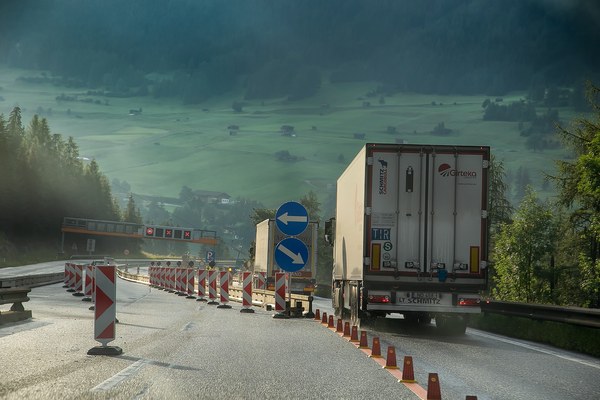
The European Parliament has shown no understanding. Even the last rescue attempts by three parliamentarians were shot down. The new toll regulation for road haulage on European motorways will lead to the one-sided promotion of hydrogen and electric engines. This will lead to a massive disadvantage for freight transport by rail and to even more trucks.

Point of view of CIPRA

Point of view: Mountains for everyone? Not a chance!
Access to the mountains and mountain sports is often unfair, exclusive, segregating and discriminatory. Henriette Adolf, Deputy Executive Director of CIPRA Germany, argues in favour of equal participation in mountain sports.
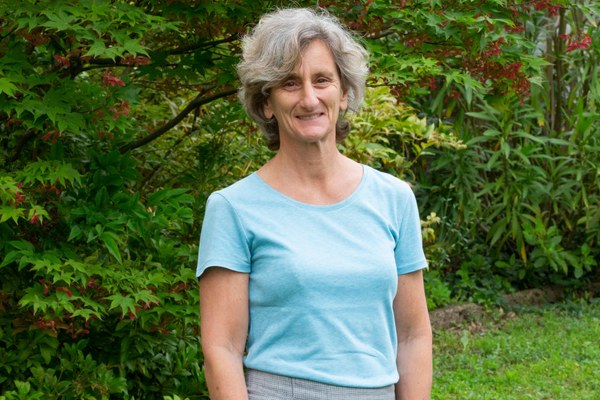
Point of view: In nature restoration we trust!
The Nature Restoration Law now obliges all EU member states to restore destroyed nature to a good ecological condition and thus safeguard the stocks of pollinators, natural resources, clean air and clean water. The Alpine region and its agriculture will also benefit, says Serena Arduino, Co-President of CIPRA International.
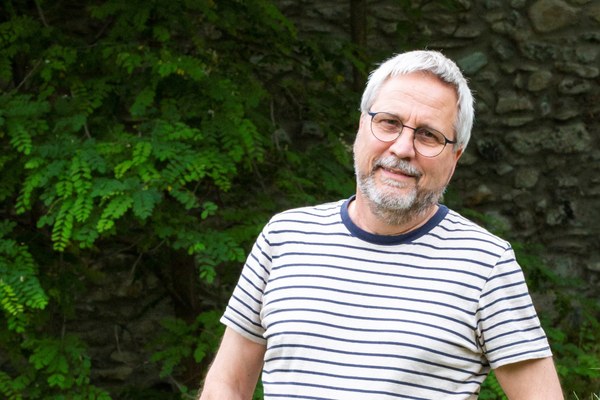
Point of view: Avoiding transport collapse together
As regards the growing volume of individual and transit traffic, it can be stated that neither regional nor national perspectives will lead to solutions. We have to find them together, because the Alps lie in the midst of Europe. This geographical truism is central to an understanding of transport policy problems in the Alps so as to avoid transport collapse, says Kaspar Schuler, Executive Director of CIPRA International.