Political positions of CIPRA

Friends-of-Nature Wildhaus Declaration: tourism and sustainability in the 21st century
Tourism needs an intact natural environment, a vibrant cultural life, and a fair partnership between visitors and visited. As an economic sector, tourism is directly dependent on sustainability. The Declaration calls upon the tourism industry, the tourism regions, governments and individual tourists to curb the consumption of natural resources and reduce the burden of traffic caused by tourism traffic. It also calls on tourism to contribute towards eliminating poverty and to implement a sustainable destination and transport policy for the environment.
Berchtesgaden Declaration on regional co-operation in mountain regions 2002
At the end of June 2002 a conference on international co-operation between the mountain regions of the world was held in Berchtesgaden. The participants at the conference presented ten fundamental principles for regional co-operation. The principles underscore the key responsibility of governments and the need for regional co-operation to ensure the sustainable and proper management of mountain regions. Equal rights, decentralisation and the involvement of resident populations are essential in achieving sustainable development. Measures aimed at establishing cross-border partnerships and networks for the exchange of experience and the dissemination of knowledge are of crucial importance in bringing regional co-operation to life. The Declaration is aimed at governments, the international community, the private sector and NGOs.
Vienna Declaration by the Regional Conference on Transport and the Environment 1997
The Declaration was adopted by the governments of the member states of the UN Economic Commission for Europe. The states pledge to take steps aimed at reducing the negative impact of transport and traffic on the environment and on health. Energy-efficient and ecological vehicles and fuels as well as efficient and sustainable transport systems are to be encouraged and sensitive regions protected. The UNECE members are also planning to encourage the safe transport of hazardous substances and adopt measures aimed at protecting water resources from pollution. Annexed to the Declaration is a programme with a description of potential measures and solutions in the area of transport and the environment. http://www.unece.org/doc/ece/rcte/ece.rcte.conf..2.final.e.pdf

News on Alpine Politics

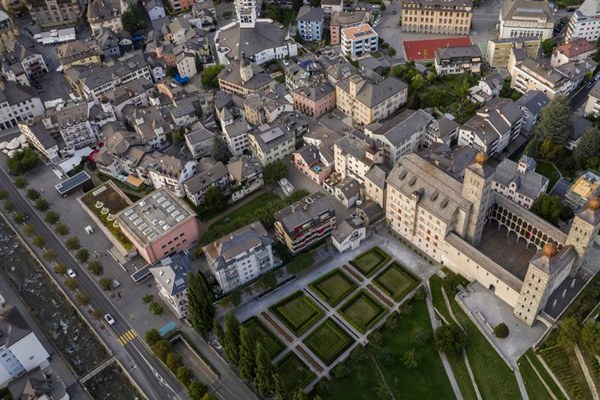
Alpine towns – key to sustainable development
The ninth Report on the State of the Alps, entitled “Alpine Towns”, was presented as part of the Swiss presidency of the Alpine Convention. It sheds light on how the Alpine settlement system hinders – or helps – the sustainable development of the Alps.
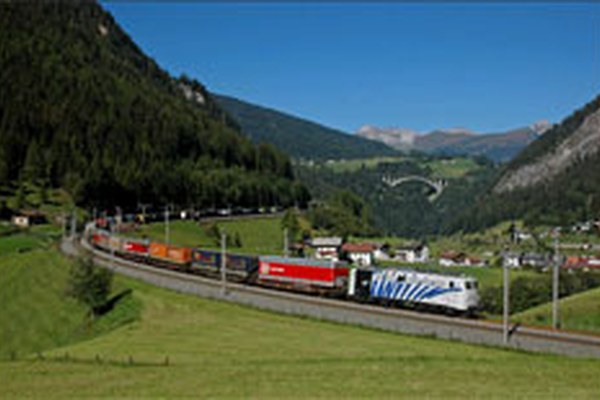
Alliance for climate-neutral Alpine transport
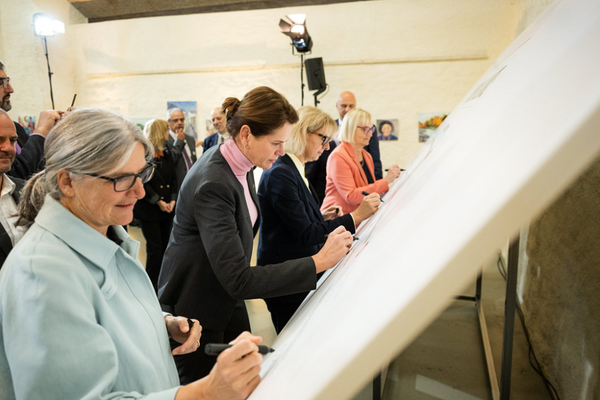
Seven of eight signatory states to the Alpine Convention today signed a progressive action plan for climate-neutral mobility by 2050 in Brig/CH. CIPRA International contributed to the almost two-year development of the action plan with proposals for the “Simplon Alliance”.
Making change possible
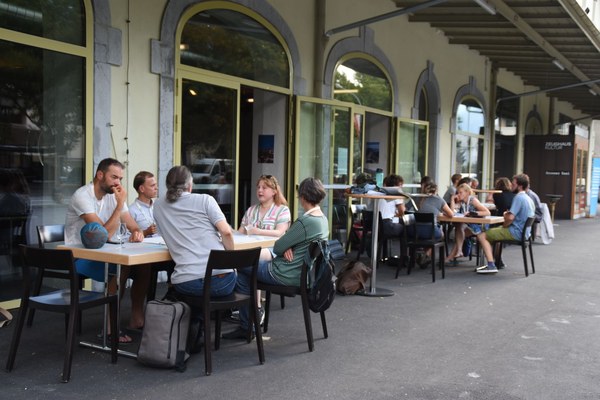
Inspirational inputs, heated discussions, fruitful exchanges and excursions into the impressive Valais region in and around the Alpine town of Brig-Glis/CH: AlpWeek 2022, held in early September in Brig-Glis/CH, was all about “Change in the Alps”.
Point of view: Let’s create an “Alpine Plan” for all Alpine regions!
The Bavarian Alpine Plan celebrates its 50th anniversary in 2022. Alpine spatial planning has proven here that it is predestined to find solutions to the pressing issues of the day. Similar planning instruments are lacking in many Alpine regions, although we need them more urgently than ever, claim Paul Kuncio, Executive Director of CIPRA Austria, and Uwe Roth, Executive Director of CIPRA Germany.

Point of view of CIPRA

Point of view: the excessive character of the Olympics
High construction costs, unused sports facilities, environmentally damaging large-scale projects: loud criticism continues to surround the staging of the 2026 Winter Olympics in Milan and Cortina/I. We must ask whether such sporting events still have a place in the Alps, says Vanda Bonardo, President of CIPRA Italy.
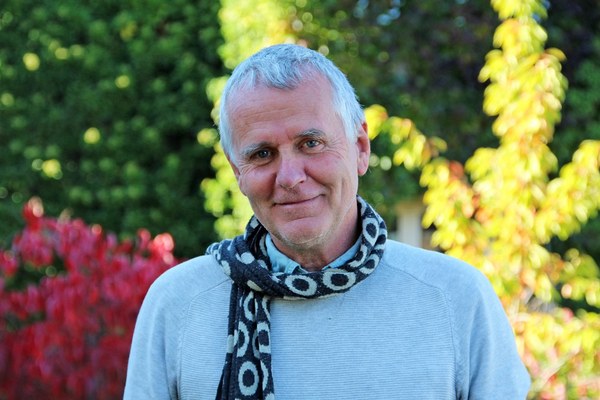
Point of view: Let's finally press the reset button in tourism!
Mass tourism in the Alps has collapsed due to the ongoing Corona pandemic, and the opportunities for switching to environmentally and socially just tourism have increased. But they must also be exploited, says Hans Weber, Executive Director of CIPRA Switzerland.
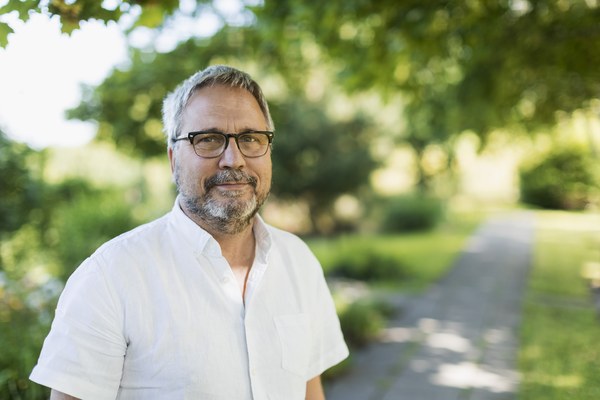
Point of view: Water will not tolerate resistance
Extreme weather conditions are also increasingly affecting the Alps. The climate crisis is driving this development. Can more and more dams, barriers or power stations solve the problem and at the same time satisfy the growing hunger for energy? We must work with the power of water rather than against it, says Kaspar Schuler, CIPRA’s Executive Director and co-author of CIPRA’s new position paper on hydropower.