Political positions of CIPRA

Friends-of-Nature Wildhaus Declaration: tourism and sustainability in the 21st century
Tourism needs an intact natural environment, a vibrant cultural life, and a fair partnership between visitors and visited. As an economic sector, tourism is directly dependent on sustainability. The Declaration calls upon the tourism industry, the tourism regions, governments and individual tourists to curb the consumption of natural resources and reduce the burden of traffic caused by tourism traffic. It also calls on tourism to contribute towards eliminating poverty and to implement a sustainable destination and transport policy for the environment.
Berchtesgaden Declaration on regional co-operation in mountain regions 2002
At the end of June 2002 a conference on international co-operation between the mountain regions of the world was held in Berchtesgaden. The participants at the conference presented ten fundamental principles for regional co-operation. The principles underscore the key responsibility of governments and the need for regional co-operation to ensure the sustainable and proper management of mountain regions. Equal rights, decentralisation and the involvement of resident populations are essential in achieving sustainable development. Measures aimed at establishing cross-border partnerships and networks for the exchange of experience and the dissemination of knowledge are of crucial importance in bringing regional co-operation to life. The Declaration is aimed at governments, the international community, the private sector and NGOs.
Vienna Declaration by the Regional Conference on Transport and the Environment 1997
The Declaration was adopted by the governments of the member states of the UN Economic Commission for Europe. The states pledge to take steps aimed at reducing the negative impact of transport and traffic on the environment and on health. Energy-efficient and ecological vehicles and fuels as well as efficient and sustainable transport systems are to be encouraged and sensitive regions protected. The UNECE members are also planning to encourage the safe transport of hazardous substances and adopt measures aimed at protecting water resources from pollution. Annexed to the Declaration is a programme with a description of potential measures and solutions in the area of transport and the environment. http://www.unece.org/doc/ece/rcte/ece.rcte.conf..2.final.e.pdf

News on Alpine Politics

Italy to chair Alpine Convention in 2025
Italy is preparing to chair the Alpine Convention for the period 2025-2026, while Liechtenstein and Austria will co-chair the EU Strategy for the Alpine Region (EUSALP) in 2025. Sustainability and cross-border cooperation are the focus of both initiatives.
The battle for Alpine water
A revival of the hydropower boom: 70 years ago, many Alpine rivers were dammed for the benefit of power stations, while valuable high valleys were built over. Today, new requirements are threatening their ecological functions. In view of the dwindling glaciers and increasing utilisation demands, a distribution battle is looming.
Protecting Alpine biodiversity
In September 2024, CIPRA launched two innovative Interreg projects: LiveAlpsNature and AlpsLife. These projects are helping to protect biodiversity in the Alps and meet the growing challenges posed by the climate crisis and intensive tourism.
Point of view: Let’s prioritise youth over tourism
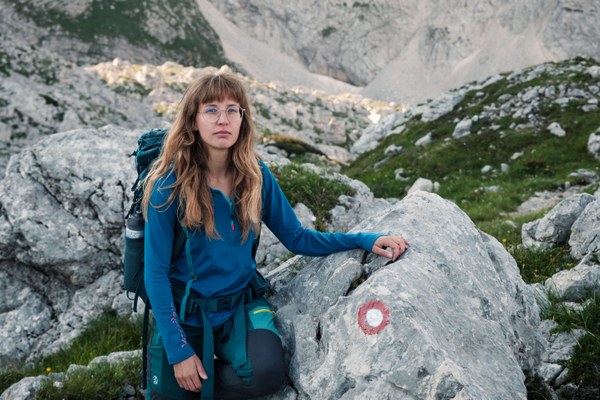
We want young people to stay on the land, but the demands of tourism, high property prices and the landscape as an object of speculation make this difficult. We talk about the fight against the climate and biodiversity crisis, all while shopping centres and business parks are being built in the countryside. Environmental protection and solutions to the housing crisis should be prioritised, as this would also be in the interests of young people, says Dijana Čataković from CIPRA Slovenia. She asks: Who else will be able to live in the Alps and afford to live there?

Point of view of CIPRA

Point of view: Don’t mess with our future!
The climate crisis is a reality – and it is by no means the only environmental problem looming. Luisa Deubzer of the CIPRA Youth Advisory Council calls for a rethinking on the part of society. In late November 2018 the 24-year-old gave a fiery speech before politicians and young people at the Eusalp Forum in Innsbruck, Austria.
Point of view: Burning with love, not hate
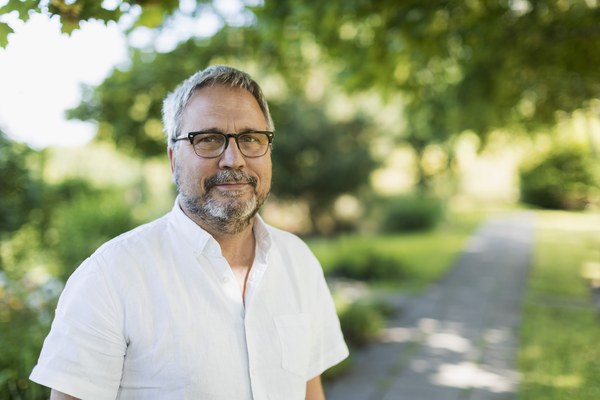
The climate crisis and nationalism are the two greatest threats of our time, says Kaspar Schuler, executive director of CIPRA International since June, on the occasion of the 30th anniversary of «Fire across the Alps».

Point of view: The tourism dilemma
Travel threatens the very values upon which tourism in the Alps depends, creating a real dilemma. Sustainable mobility in tourism is not simply a competitive advantage, but a “must”, states Barbara Wülser, deputy director of CIPRA International.