Political positions of CIPRA

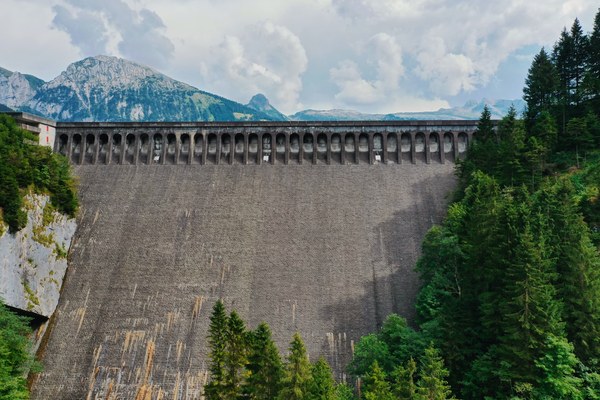
Hydropower in the Alps
How much hydropower use is environmentally compatible and ecologically sustainable? This question has been on the minds of people in the Alpine region for decades - all the more so against the backdrop of the urgent need to move away from fossil fuels. There are currently around 21,000 hydropower plants in operation in Europe, 300 under construction and over 8,500 in the planning stage. In many places, climate change with its imponderables such as extreme floods is being countered with more dams and walls, although river widening, for example, would make more ecological sense.
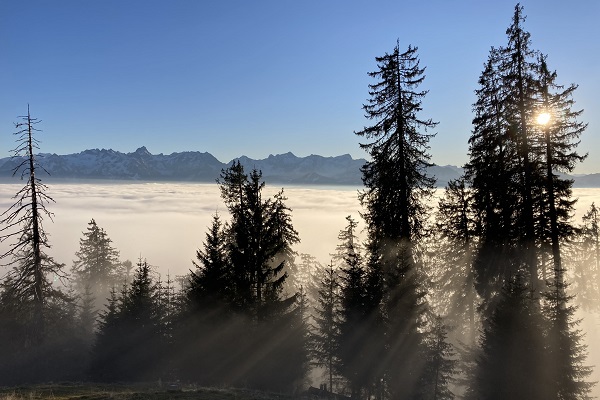
Alpine landscape is not renewable!
Landscape is a key to negotiating social and political issues. CIPRA has taken up these issues as part of its Alpine-wide priority theme “Landscape” 2019-2020. This position paper, which was developed in a broad and participatory process with CIPRA representatives, young Alpine women and experts from all Alpine countries, is the conclusion of this priority theme.
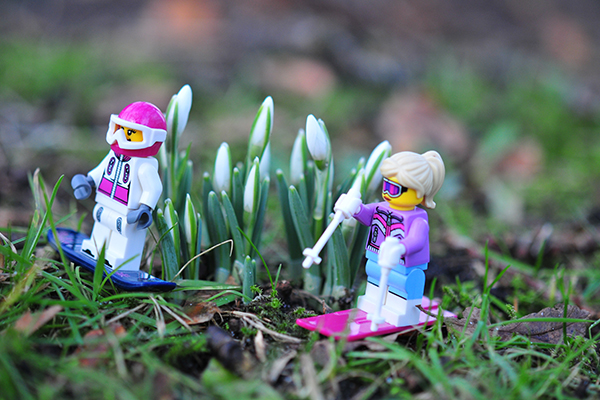
Solstice in winter tourism
Tourism has brought wealth to the Alps. In many regions it remains an important source of income, but lack of economic diversification is also a risk. The importance and orientation of tourism differs strongly among Alpine countries, but all of them need new strategies and approaches to cope with shifts in visitor behaviour and climate change. A socio-economic transformation is needed that takes account of tourism’s past, present and future potential.

News on Alpine Politics

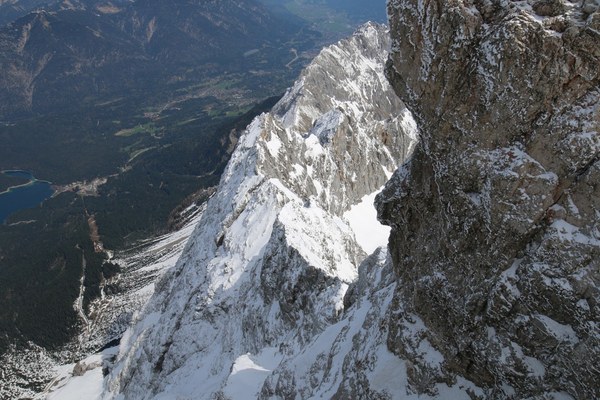
Climate crisis makes mountains crumble
Rockfalls and rockslides are nothing new in the Alps, but dwindling permafrost is making the situation even worse – for mountaineering and for villages.
Ill-chosen incentives may fuel transit
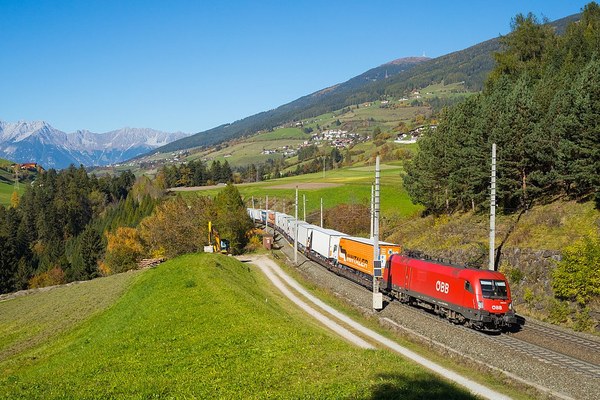
More e-trucks instead of a shift to rail: a new EU directive could further fuel the burden of freight traffic through the Alps.
How much is nature worth?
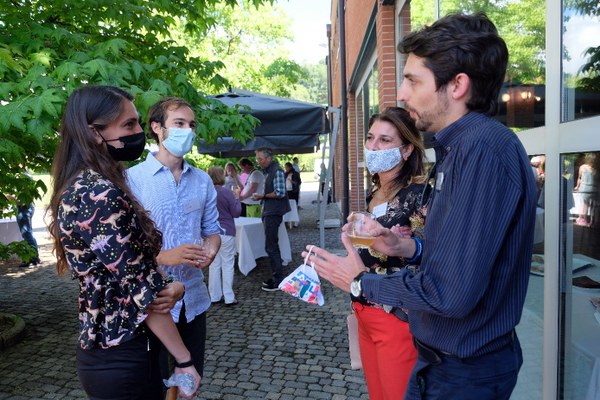
Alpine pastures that provide us with food. Trees that provide a pleasant microclimate. Alpine landscapes that heal and touch. At the beginning of July 2021, around 100 participants from all Alpine countries discussed the benefits and value of nature in the Alpine region at CIPRA’s Annual Conference in Biella/I.
New dual leadership for CIPRA
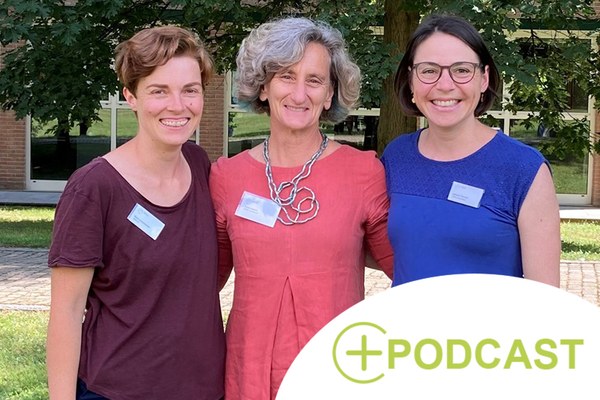
Bianca Elzenbaumer and Serena Arduino are the new Co-Presidents of CIPRA International. They succeed Katharina Conradin, who has been in office for almost seven years.

Point of view of CIPRA

Point of view: The mountains, a safe place
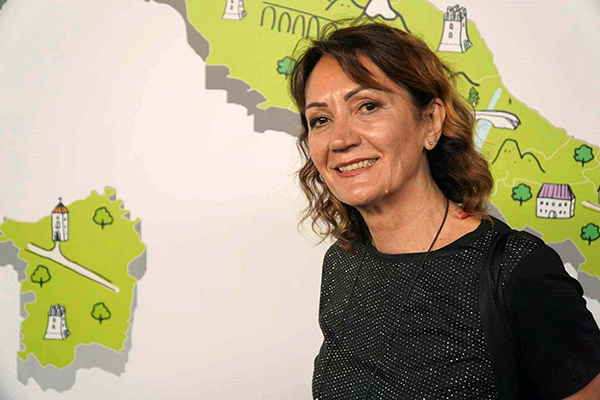
During the lockdown due to the corona pandemic, mountain areas have gained in importance as places of retreat. In order to be able to fulfil this role better in the future, they must be strengthened and digitally networked, demands Vanda Bonardo, President of CIPRA Italy.
Point of view: A building plan for a resilient society
The corona crisis has broken our lives into pieces: relationships, working models, leisure and consumerism are loose building blocks. It is still unclear how we will reassemble them. We now have the chance to draw up a new building plan that is fit for the future, says Barbara Wülser, Co-Executive Director of CIPRA International.
Point of view: Water needs no borders – do we?
So far, sufficient water is available in the Alpine regions. If there is to be enough for everyone in the future, despite climate change, water must be treated as a common Alpine resource across national borders, says Marion Ebster, Project Manager at CIPRA International.