Political positions of CIPRA

Hydropower in the Alps
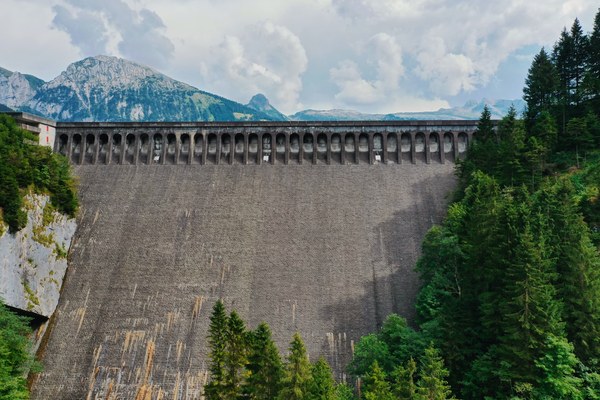
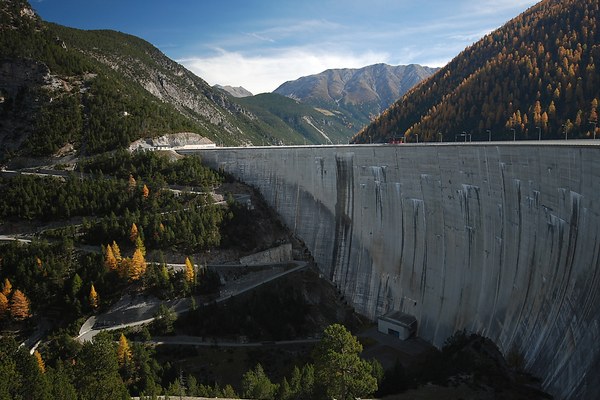
How much hydropower use is environmentally compatible and ecologically sustainable? This question has been on the minds of people in the Alpine region for decades - all the more so against the backdrop of the urgent need to move away from fossil fuels. There are currently around 21,000 hydropower plants in operation in Europe, 300 under construction and over 8,500 in the planning stage. In many places, climate change with its imponderables such as extreme floods is being countered with more dams and walls, although river widening, for example, would make more ecological sense.
Alpine landscape is not renewable!
Landscape is a key to negotiating social and political issues. CIPRA has taken up these issues as part of its Alpine-wide priority theme “Landscape” 2019-2020. This position paper, which was developed in a broad and participatory process with CIPRA representatives, young Alpine women and experts from all Alpine countries, is the conclusion of this priority theme.
Solstice in winter tourism
Tourism has brought wealth to the Alps. In many regions it remains an important source of income, but lack of economic diversification is also a risk. The importance and orientation of tourism differs strongly among Alpine countries, but all of them need new strategies and approaches to cope with shifts in visitor behaviour and climate change. A socio-economic transformation is needed that takes account of tourism’s past, present and future potential.

News on Alpine Politics

Sustainable traffic management, not lawsuits
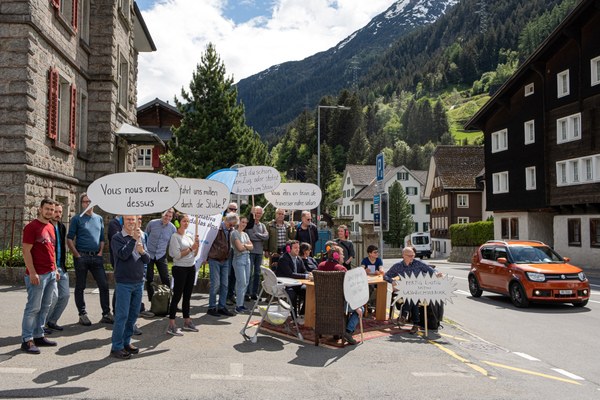
CIPRA representatives along the transport axis over the Brenner Pass are calling for sustainable traffic management instead of populist grievances. Now Switzerland is facing a renewed increase in traffic.
New Alpine reservoirs to combat water shortages
Frequent droughts, thirsty agriculture: Italy is discussing the construction of additional reservoirs to supply drinking water and energy. More ecologically sound solutions are in danger of falling by the wayside.
Point of view: European elections 2024: why a Swiss citizen would also like to vote
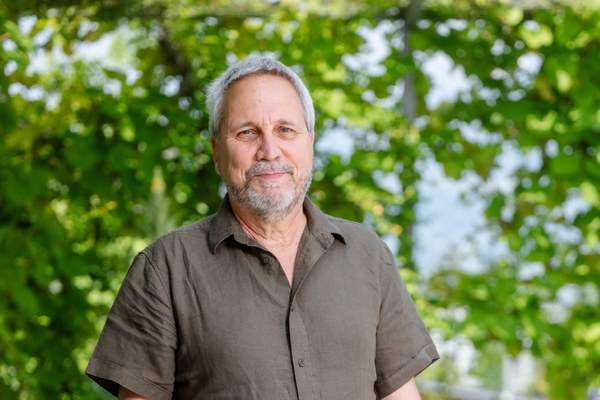
Switzerland’s referendum-based democracy has pitfalls of its own when it comes to environmental and climate policy. There needs to be an overarching corrective, such as neighbouring countries have in their constitutional courts and through the legal institutions of the EU, says Kaspar Schuler – as a Swiss citizen and Executive Director of CIPRA International.
Climate protection becomes a human right
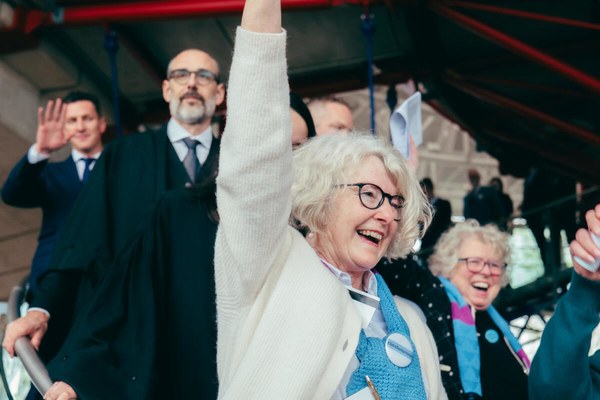
A legal milestone for climate protection: on 9 April 2024, the European Court of Human Rights (ECtHR) ruled that Switzerland is violating the human rights of older women because the country is not doing what is necessary to combat global warming.

Point of view of CIPRA

Point of view: Don’t mess with our future!
The climate crisis is a reality – and it is by no means the only environmental problem looming. Luisa Deubzer of the CIPRA Youth Advisory Council calls for a rethinking on the part of society. In late November 2018 the 24-year-old gave a fiery speech before politicians and young people at the Eusalp Forum in Innsbruck, Austria.
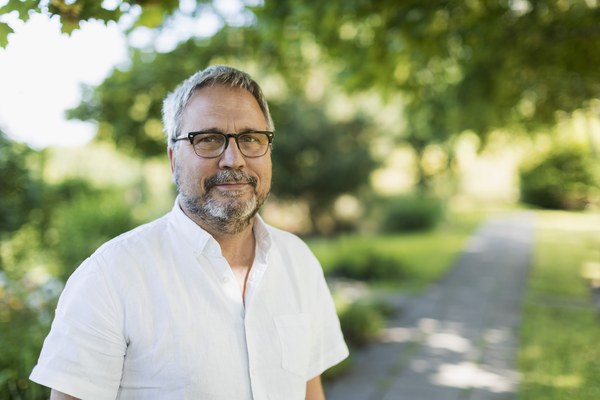
Point of view: Burning with love, not hate
The climate crisis and nationalism are the two greatest threats of our time, says Kaspar Schuler, executive director of CIPRA International since June, on the occasion of the 30th anniversary of «Fire across the Alps».

Point of view: The tourism dilemma
Travel threatens the very values upon which tourism in the Alps depends, creating a real dilemma. Sustainable mobility in tourism is not simply a competitive advantage, but a “must”, states Barbara Wülser, deputy director of CIPRA International.