Political positions of CIPRA

Hydropower in the Alps
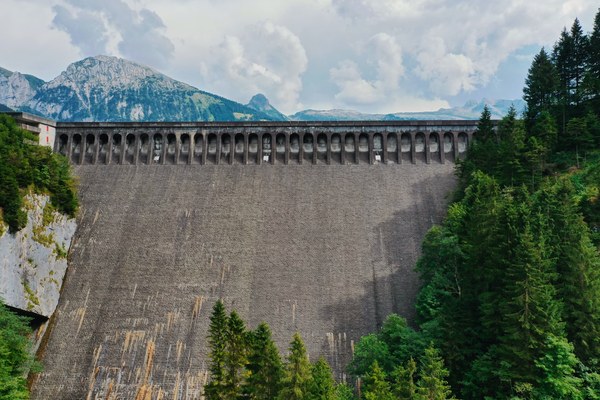
How much hydropower use is environmentally compatible and ecologically sustainable? This question has been on the minds of people in the Alpine region for decades - all the more so against the backdrop of the urgent need to move away from fossil fuels. There are currently around 21,000 hydropower plants in operation in Europe, 300 under construction and over 8,500 in the planning stage. In many places, climate change with its imponderables such as extreme floods is being countered with more dams and walls, although river widening, for example, would make more ecological sense.
Alpine landscape is not renewable!
Landscape is a key to negotiating social and political issues. CIPRA has taken up these issues as part of its Alpine-wide priority theme “Landscape” 2019-2020. This position paper, which was developed in a broad and participatory process with CIPRA representatives, young Alpine women and experts from all Alpine countries, is the conclusion of this priority theme.
Solstice in winter tourism
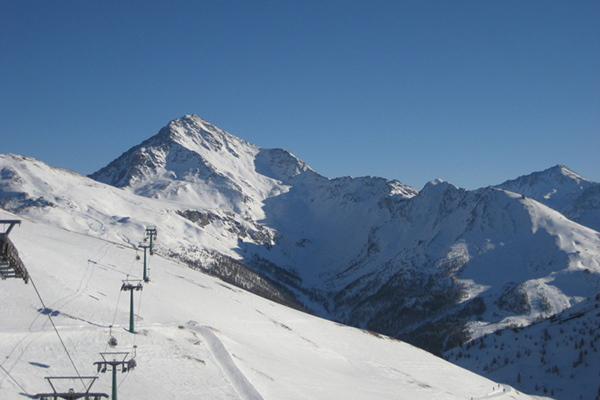
Tourism has brought wealth to the Alps. In many regions it remains an important source of income, but lack of economic diversification is also a risk. The importance and orientation of tourism differs strongly among Alpine countries, but all of them need new strategies and approaches to cope with shifts in visitor behaviour and climate change. A socio-economic transformation is needed that takes account of tourism’s past, present and future potential.

News on Alpine Politics

No pardon for crimes against the environment
Damaging the environment in Italy can henceforth be punished with a jail term of up to fifteen years. Environmental legislation was also a concern of CIPRA co-founder Wolfgang Burhenne. A biography is now dedicated to him.
Point of view: Making the Alpine Convention more interactive
The effectiveness of the Alpine Convention is often called into question. A new approach could help reposition it as an engine of co-operation and sustainable development in the Alpine regions, says Claire Simon, Executive Director of CIPRA International.
New French policy for the mountains
Thirty years ago, France passed a special law for its mountain areas. It is now undergoing a review. Here is a summary of the most significant amendments.
New models for a better life
The western economic model consumes the natural resources of three planet Earths. And it is spreading to developing countries – we are their role model.

Point of view of CIPRA

Point of view: Let’s plan the energy transition and restoration together!
Alpine spatial planning can help to resolve the contradictions between restoration and the expansion of renewable energy. This requires joint efforts involving the interests of the population and environmental organisations, says Paul Kuncio, Executive Director of CIPRA Austria.
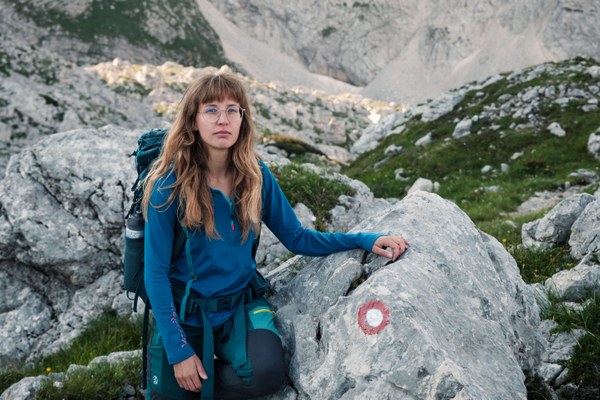
Point of view: Let’s prioritise youth over tourism
We want young people to stay on the land, but the demands of tourism, high property prices and the landscape as an object of speculation make this difficult. We talk about the fight against the climate and biodiversity crisis, all while shopping centres and business parks are being built in the countryside. Environmental protection and solutions to the housing crisis should be prioritised, as this would also be in the interests of young people, says Dijana Čataković from CIPRA Slovenia. She asks: Who else will be able to live in the Alps and afford to live there?
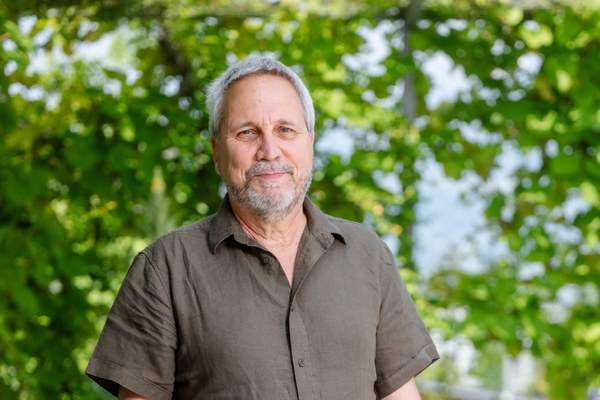
Point of view: European elections 2024: why a Swiss citizen would also like to vote
Switzerland’s referendum-based democracy has pitfalls of its own when it comes to environmental and climate policy. There needs to be an overarching corrective, such as neighbouring countries have in their constitutional courts and through the legal institutions of the EU, says Kaspar Schuler – as a Swiss citizen and Executive Director of CIPRA International.