Political positions of CIPRA

Hydropower in the Alps
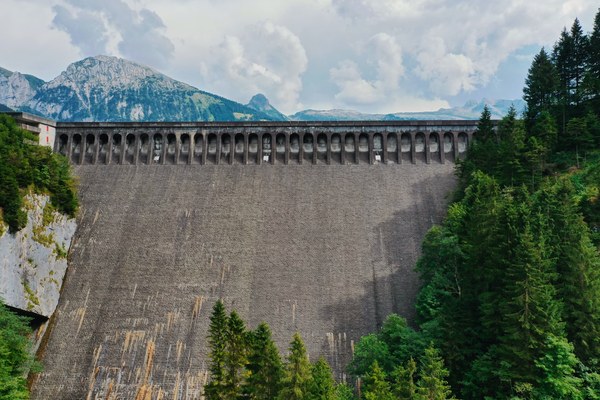
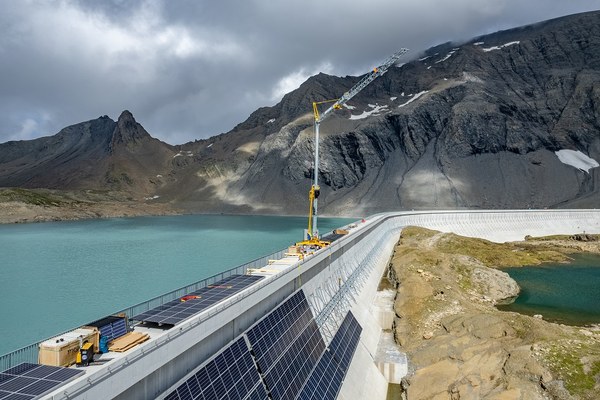
How much hydropower use is environmentally compatible and ecologically sustainable? This question has been on the minds of people in the Alpine region for decades - all the more so against the backdrop of the urgent need to move away from fossil fuels. There are currently around 21,000 hydropower plants in operation in Europe, 300 under construction and over 8,500 in the planning stage. In many places, climate change with its imponderables such as extreme floods is being countered with more dams and walls, although river widening, for example, would make more ecological sense.
Alpine landscape is not renewable!
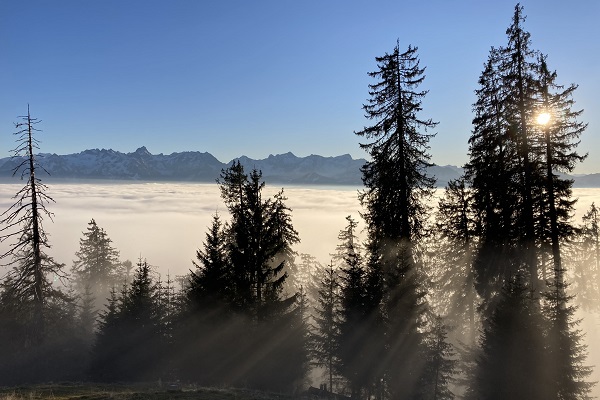
Landscape is a key to negotiating social and political issues. CIPRA has taken up these issues as part of its Alpine-wide priority theme “Landscape” 2019-2020. This position paper, which was developed in a broad and participatory process with CIPRA representatives, young Alpine women and experts from all Alpine countries, is the conclusion of this priority theme.
Solstice in winter tourism
Tourism has brought wealth to the Alps. In many regions it remains an important source of income, but lack of economic diversification is also a risk. The importance and orientation of tourism differs strongly among Alpine countries, but all of them need new strategies and approaches to cope with shifts in visitor behaviour and climate change. A socio-economic transformation is needed that takes account of tourism’s past, present and future potential.

News on Alpine Politics

Point of view: Avoiding transport collapse together
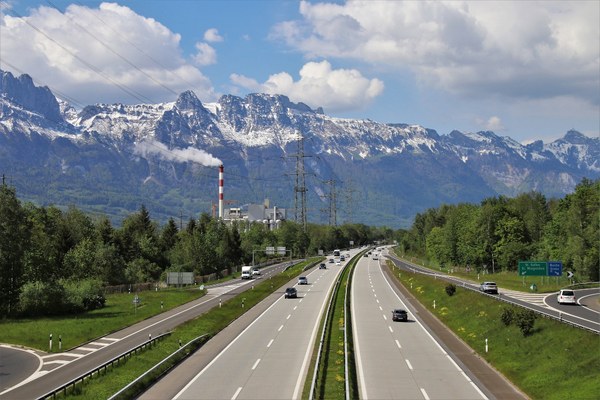
As regards the growing volume of individual and transit traffic, it can be stated that neither regional nor national perspectives will lead to solutions. We have to find them together, because the Alps lie in the midst of Europe. This geographical truism is central to an understanding of transport policy problems in the Alps so as to avoid transport collapse, says Kaspar Schuler, Executive Director of CIPRA International.
Hidden CO2 emitters
Hidden CO2 emitters
Climate protection measures are expensive, which is why they are regularly criticised and rejected. How then can it be that at the same time the Alpine states are spending billions on environmentally harmful subsidies?
Alpine Policy 2023: the Slovenian-Swiss year
This year, Slovenia and Switzerland will play a decisive role in shaping international cooperation between states and regions in the Alps: Slovenia is taking over the presidency of the Alpine Convention, while Switzerland is the first non-EU country to chair the Eusalp, the EU Strategy for the Alpine Region.
Unsuitable landscapes for energy production
The results of a recent survey from Switzerland are clear: no to energy production in almost unspoilt mountain areas. Intensively used areas around ski resorts or existing power plants would be better suited to the expansion of renewable energy.

Point of view of CIPRA

Point of view: He who sows infrastructure, reaps more traffic
At the end of February 2016 Swiss voters will decide on the building of a second road tunnel at the Gotthard Pass. The CHF 4 billion project will torpedo Switzerland’s modal shift policy, believes Barbara Wülser, CIPRA International’s communications manager.

Point of view: Change begins in the heart
Claire Simon, Executive Director of CIPRA International, used the occasion of the 2015 CIPRA annual conference to call for more engagement with people and their ways of thinking in order to strengthen the natural and cultural diversity of the Alps.

Point of view: Making the Alpine Convention more interactive
The effectiveness of the Alpine Convention is often called into question. A new approach could help reposition it as an engine of co-operation and sustainable development in the Alpine regions, says Claire Simon, Executive Director of CIPRA International.