Political positions of CIPRA

Hydropower in the Alps
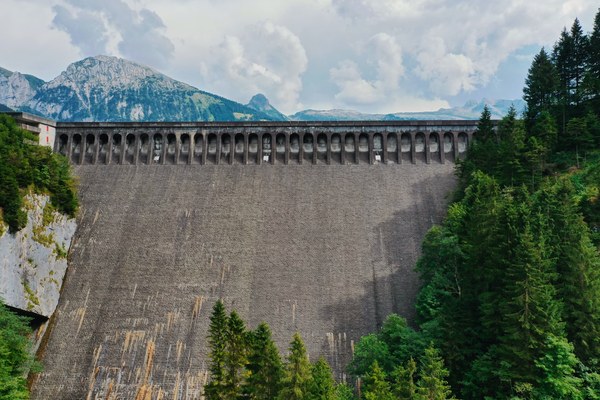
How much hydropower use is environmentally compatible and ecologically sustainable? This question has been on the minds of people in the Alpine region for decades - all the more so against the backdrop of the urgent need to move away from fossil fuels. There are currently around 21,000 hydropower plants in operation in Europe, 300 under construction and over 8,500 in the planning stage. In many places, climate change with its imponderables such as extreme floods is being countered with more dams and walls, although river widening, for example, would make more ecological sense.
Alpine landscape is not renewable!
Landscape is a key to negotiating social and political issues. CIPRA has taken up these issues as part of its Alpine-wide priority theme “Landscape” 2019-2020. This position paper, which was developed in a broad and participatory process with CIPRA representatives, young Alpine women and experts from all Alpine countries, is the conclusion of this priority theme.
Solstice in winter tourism
Tourism has brought wealth to the Alps. In many regions it remains an important source of income, but lack of economic diversification is also a risk. The importance and orientation of tourism differs strongly among Alpine countries, but all of them need new strategies and approaches to cope with shifts in visitor behaviour and climate change. A socio-economic transformation is needed that takes account of tourism’s past, present and future potential.

News on Alpine Politics

Point of view: The Alps: on course for sustainability
It is time to reflect on the unique values of the Alps, emphasises the President of CIPRA International, Katharina Conradin, after her first 100 days in office. Her plea is for a common goal: the Alps as a model region for sustainability.
Point of view: Protecting the Alps – the responsibility of people
The diversity of the Alps is a challenge that at the same time holds great potential. It is up to the new German presidency of the Alpine Convention to put this into effect, states Federica Corrado, President of CIPRA Italy.
CIPRA presents pioneers of sustainable living
Lifestyles and economies that use fewer resources require new thinking and action that go beyond narrow limits and consumerism. This is the conclusion of the CIPRA annual conference held in Annecy, France.
Macro-region Alps: get involved!
The European strategy for the Alps could compensate for the shortcomings of the Alpine Convention, says Claire Simon, Executive Director of CIPRA International. Now, during the consultation phase, is an opportunity to participate and demand sustainability.

Point of view of CIPRA

Point of view: Second homes – no end in sight
By voting “Yes” in 2012 in the referendum “No to the unrestricted building of second homes”, Swiss voters expressed their desire for new tourism policies. Dominik Siegrist, President of CIPRA International, expresses doubt that the population’s demand canactually be implemented.

Point of view: who will fill the macro-regional Alpine house with life?
Just as in the building of a house, the inhabitants are the most important persons involved in the Alpine macro-region. But, eight weeks after the start of the process, states and regions have yet to indicate to the representatives of civil society whether they may contribute. R.S.V.P.

Point of view: The mountains do not grow to heaven
Mountains and valleys do not grow bigger - at least not in the human timescale. Yet our appetites grow from day to day. Sooner or later we will have to adapt our consumption of natural resources to their availability. We had better decide freely for a more modest life before we are forced to do so, demands Claire Simon.