
Political positions of CIPRA
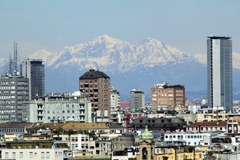
New solidarity between the Alps and surrounding areas. CIPRA position paper on a European Macro-Region Strategy for the Alps
Various political actors in the Alpine space are pushing for a European strategy for a macro-region for the Alps (MRS Alps). The International Alpine Protection Commission CIPRA, with over one hundred member organisations, possesses a wide-ranging network in all Alpine countries that extends beyond the Alps and into the surrounding metropolitan areas. CIPRA is therefore actively joining the process for a Macro-Regional Strategy for the Alps, representing the interests of sustainable, eco-friendly Alpine policies. Strengthened co-operation in such a MRS Alps must take place with the Alpine regions and surrounding areas as equal partners without undermining the achievements of the Alpine Convention.
Healthy, natural forests: responding to climate change! cc.alps: CIPRA's demands for forest management
As forestry measures have long-term effects, adaptation of the forests to new climate conditions is urgently needed - but it should be initiated with great caution. The carbon storage ability of forests has to be exploited. Wood should first be used as a raw and building material; only under certain circumstances it should be used for heating. Short regional exploitation cycles are to be created. Natural forests should be fostered as they are more resilient to climate change. Forest owners who in the interest of climate protection give up part of their earnings should be compensated. Finally targeted research into practical climate adaptation measures has to become an important long-term task.

Improvements in efficiency instead of damage to the environment! cc.alps: CIPRA's demands on the subject of water
The rivers of the Alps provide 170 million people with water. Climate change will greatly reduce the availability of water in the Alps and beyond, with less rain, longer dry periods in summer and greatly reduced snowfalls in winter among the predicted consequences. The demands made of this natural resource will increase accordingly, as will competition between the various user groups. Today only about 10% of the rivers and streams of the Alps can be considered ecologically intact, i.e. they are neither polluted nor over-engineered nor compromised in terms of their flow regimes. The ecological quality of waterways and related habitats therefore calls for improvement, not further impairment. We cannot permit the last rivers to become engineered structures or depleted by the excessive abstraction of water.
News on Alpine Politics
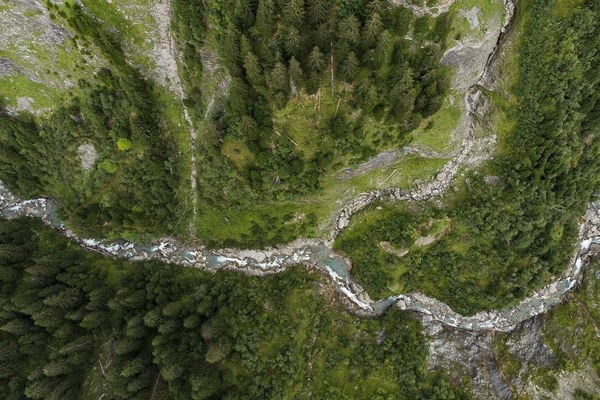
Veronika Hribernik, CIPRA International
How much hydropower is ecologically sustainable ?
Renovate power plants instead of building new ones, preserve the last freshwater pearls, coordinate use and protection across countries: CIPRA has published a position paper with detailed technical demands on the use of hydropower in the Alps.
Kaspar Schuler, CIPRA International
Point of view: Water will not tolerate resistance
Extreme weather conditions are also increasingly affecting the Alps. The climate crisis is driving this development. Can more and more dams, barriers or power stations solve the problem and at the same time satisfy the growing hunger for energy? We must work with the power of water rather than against it, says Kaspar Schuler, CIPRA’s Executive Director and co-author of CIPRA’s new position paper on hydropower.
Michael Gams, CIPRA International
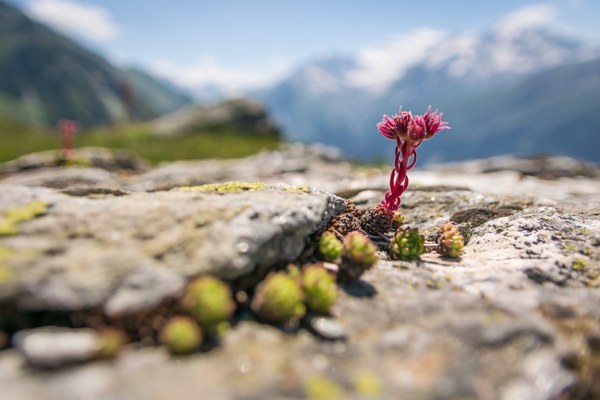
Under the magnifying glass
What treasures and resources are hidden in the Alps? How do we deal with them as sustainably as possible? These and similar questions are posed in the August 2021 issue of SzeneAlpen.
Veronika Hribernik, CIPRA International
Mobile in the Alps
By rail, by road, by mountain path: numerous CIPRA projects show just how diverse sustainable mobility can be.
Point of view of CIPRA
alpMedia
CIPRA's point of view: An appeal for the mountains
Bigger, faster, further: not even the mountains are immune to this mantra of growth. CIPRA France is thus seeking visions for a sustainable future for both people and mountains.