
Magdalena Praun, CIPRA Austria
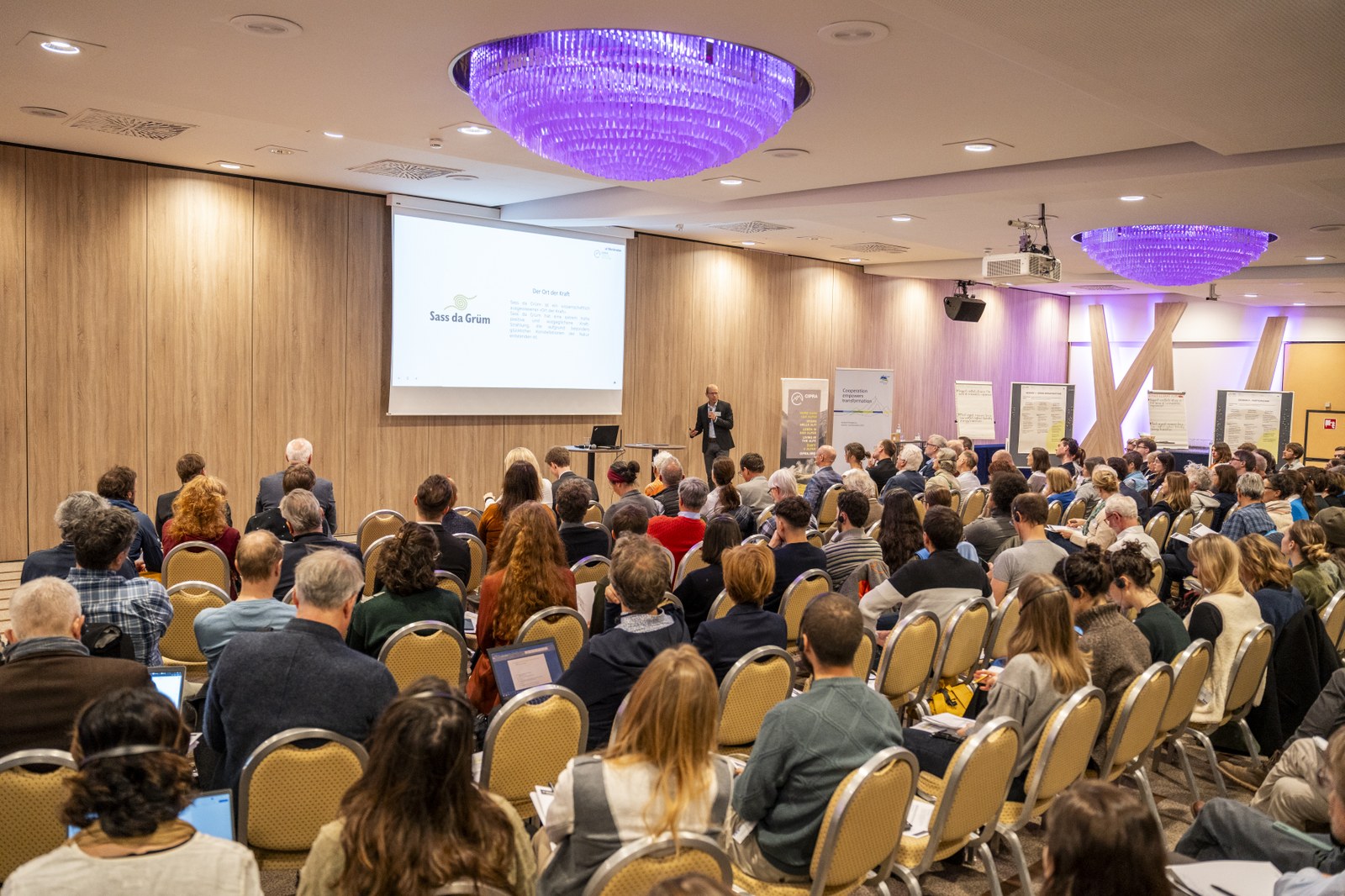
Dialogue on Alpine Spatial Planning: Proceedings of the CIPRA Annual Conference 2025
How can Alpine Spatial Planning mitigate conflicts between the energy transition and nature restoration? This question was addressed at the CIPRA Annual Conference 2025 in Salzburg, which brought together more than 160 participants. The proceedings show key insights and recommended actions – not in a concluding way, but as part of an ongoing learning process and as an impulse for further debates. They underline the shared understanding that the energy transition in the Alpine region must be approached and implemented in a cross-sectoral, interdisciplinary, and transboundary manner.
CIPRA Italy

Would you like to find out more about CIPRA's country representative in Italy? Click here!
More news
Magdalena Praun, CIPRA Austria
Dialogue on Alpine Spatial Planning: Proceedings of the CIPRA Annual Conference 2025
How can Alpine Spatial Planning mitigate conflicts between the energy transition and nature restoration? This question was addressed at the CIPRA Annual Conference 2025 in Salzburg, which brought together more than 160 participants. The proceedings show key insights and recommended actions – not in a concluding way, but as part of an ongoing learning process and as an impulse for further debates. They underline the shared understanding that the energy transition in the Alpine region must be approached and implemented in a cross-sectoral, interdisciplinary, and transboundary manner.
Serena Arduino & Jutta Staffler
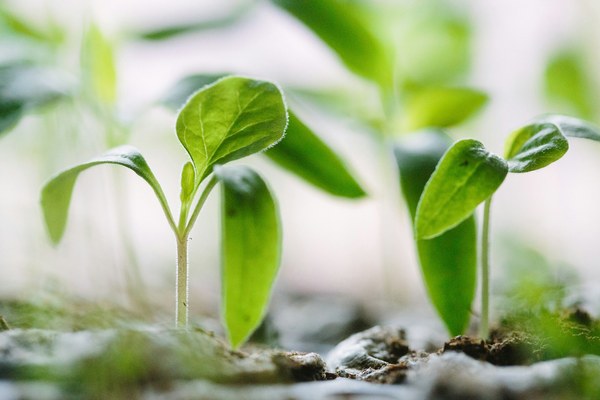
Challenges for alpine agriculture
Loss of biodiversity, climate change, migration: just some of the problems affecting the Alpine region. The concept of agroecology offers sustainable solutions - but we have to implement them together.
Caroline Begle, CIPRA International
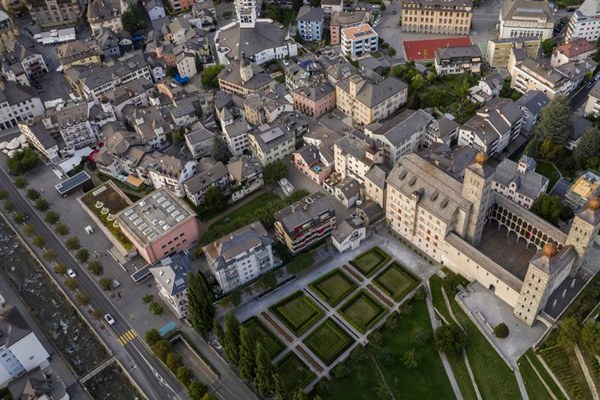
Alpine towns – key to sustainable development
The ninth Report on the State of the Alps, entitled “Alpine Towns”, was presented as part of the Swiss presidency of the Alpine Convention. It sheds light on how the Alpine settlement system hinders – or helps – the sustainable development of the Alps.
Veronika Hribernik, CIPRA International
Abandoned and uncultivated
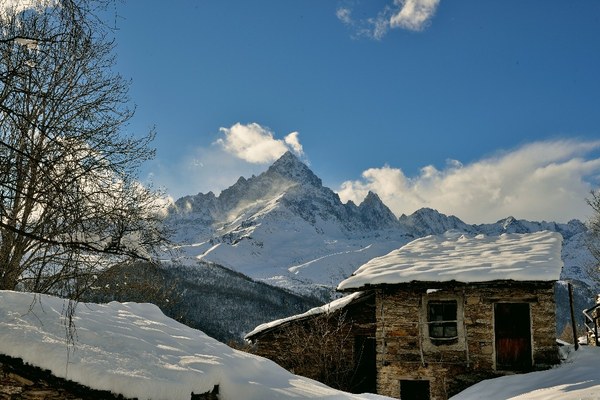
Remote mountain villages in Piedmont/I have been struggling with heavy emigration for years. The region is now supporting people moving back to the mountains. A study from Austria shows how endangered Alpine agriculture actually is.
Events
There is nothing to see here at the moment. Why not take a look at the other countries?
Projects and activities
CIPRA France
GOVQoL – Empowering Alpine communities to improve their quality of life
Alpine communities’ quality of life (QoL) is currently facing several challenges such as the depopulation of remote areas, reduced provision of services of general interest, the impacts of climate change, and mistrust of governance. These issues are not only reshaping the Alpine territories but also impacting the daily lives of its inhabitants. Despite the urgent need for responsive and inclusive governance, there is currently a significant gap in understanding and addressing QoL at the local level which our project aims to address.