
News
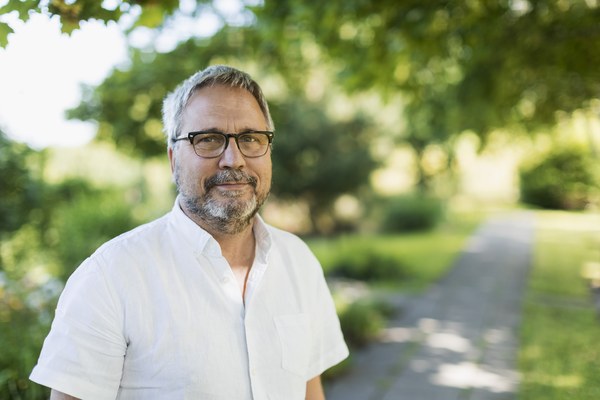
Point of view: Water will not tolerate resistance
Extreme weather conditions are also increasingly affecting the Alps. The climate crisis is driving this development. Can more and more dams, barriers or power stations solve the problem and at the same time satisfy the growing hunger for energy? We must work with the power of water rather than against it, says Kaspar Schuler, CIPRA’s Executive Director and co-author of CIPRA’s new position paper on hydropower.
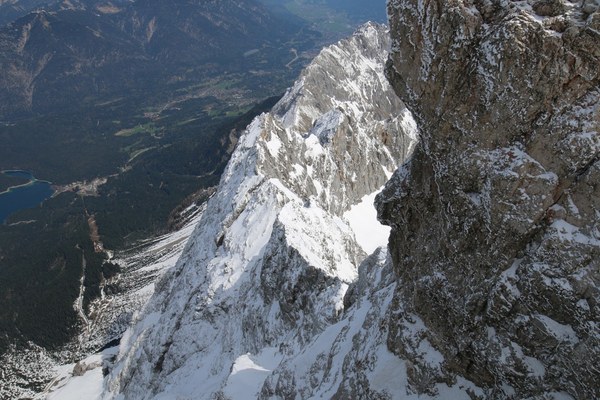
Climate crisis makes mountains crumble
Rockfalls and rockslides are nothing new in the Alps, but dwindling permafrost is making the situation even worse – for mountaineering and for villages.
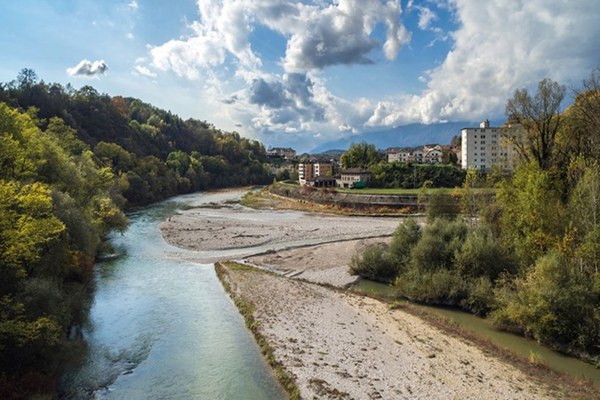
Climate protection: from plan to action
The Alps as a climate-neutral, climate-resistant region by 2050: this is the objective of the newly launched “Climate Action Plan 2.0” of the Alpine Convention. Concrete steps will now follow in such areas as mountain farming, spatial planning and biodiversity.
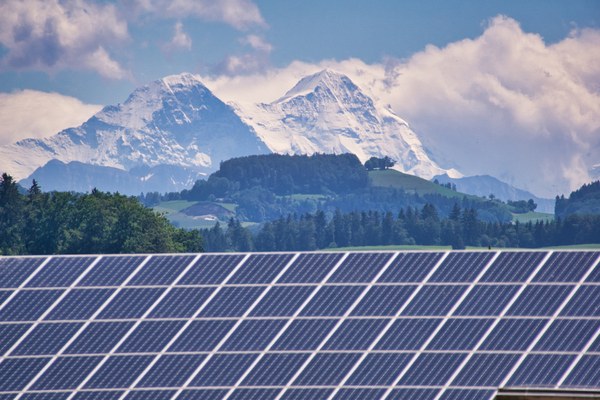
CO2 legislation: more courage needed
While the new CO2 law in Switzerland has for the time being failed, a climate protection alliance is forming in Bavaria; Austria is discussing a climate protection law; and in France the Climate Council is taking courageous decisions.
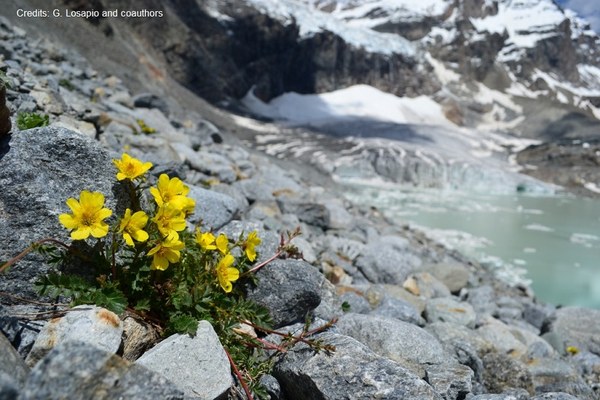
Alpine plants: persistent and endangered
Spiked rue, glacier buttercup, saxifrage: the habitat of such alpine plants is shrinking with the glaciers, as a recent study shows. In addition to climate change, mountain plants are also suffering from nitrogen deposition.
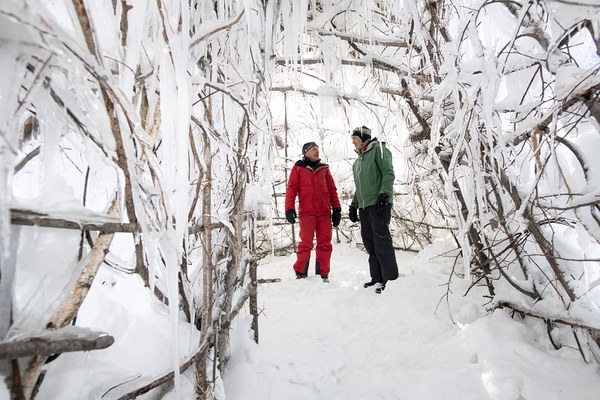
Glacier ice on a stick
Artificial ice cones and “snow ropes”: Swiss glaciologists want to save glacier ice as a water reservoir and make ski resorts more environmentally friendly. The idea comes from the Indian Himalayas.
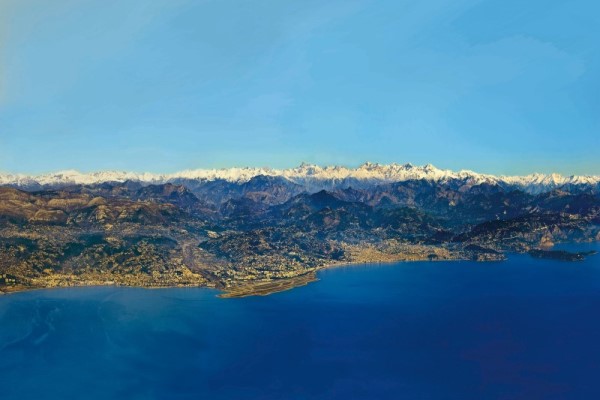
Youth and climate as the focus of AlpWeek
What do young people think about climate change in the Alps? This is the main theme of the AlpWeek Intermezzo, due to take place in Nice in December 2020.
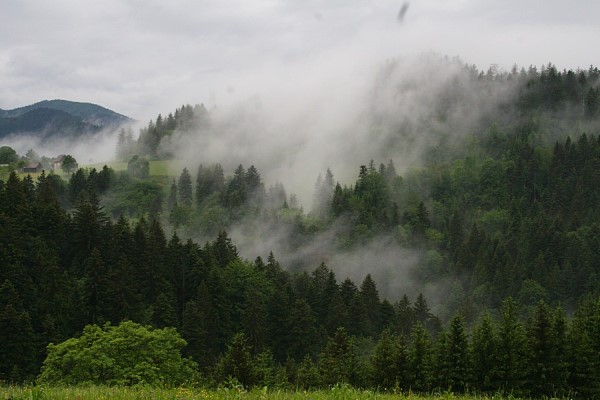
Living mountain forests
Climate protector and habitat, recreational area and timber supplier: forests have many functions, both in the natural ecosystem and for humans. CIPRA Slovenia's “GozdNega / Forest Care” project aims to convince forest owners of the benefits of climate-friendly management.
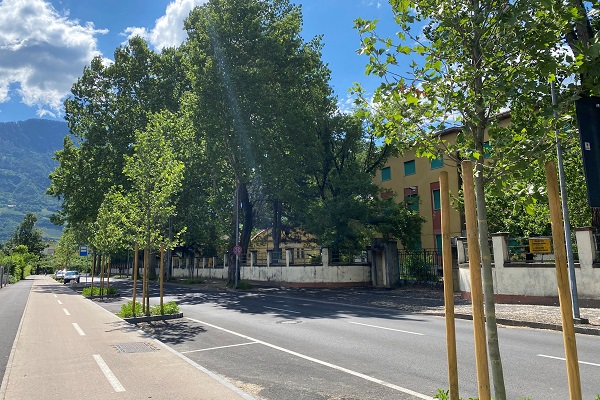
Climate change: Merano’s strategy for a better quality of life
Trees instead of parking spaces and support for the population during hot spells – with a total of 19 measures like these, the city of Merano/I is countering the effects of climate change. Experts, interest groups and young people have worked together to develop the strategy.
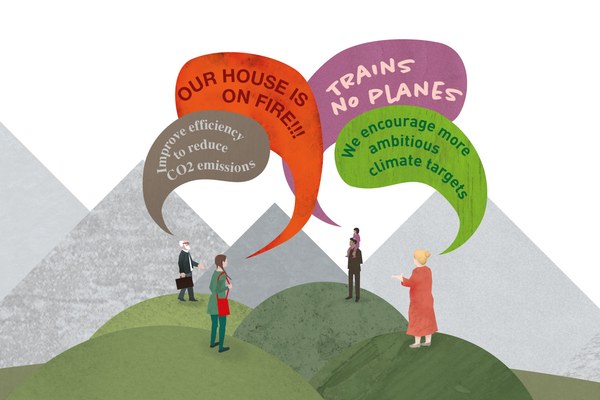
A Matter of the Head: Our Image of Climate Protection
Climate change, climate crisis, climate emergency: how do we find the right words to talk about global warming? At the online conference of the Alpine Partnership for Local Climate Action on 30 June and 1 July 2020, the focus will be on communication about climate protection.
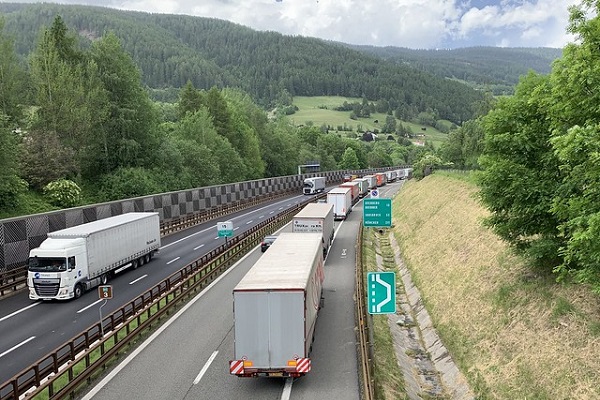
Harmful transit traffic
Priority for health and the environment along the Brenner axis: this is what CIPRA Italy and other environmental associations are demanding of the Italian Minister of Transport.
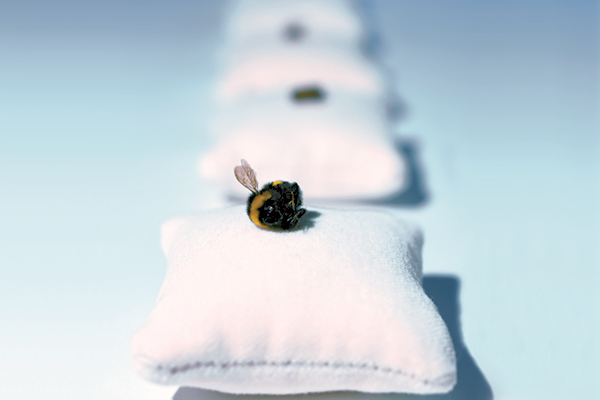
Bees: small in size, big in effect
Why we need honey, pollinators and biodiversity: This question is the subject of the themed issue of SzeneAlpen, to be published in March 2020.
How diversity is lost
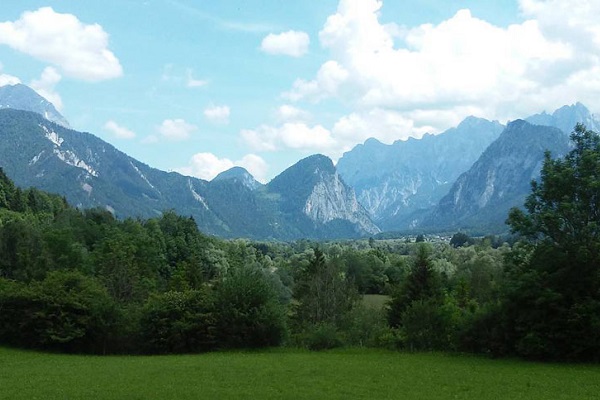
Intensive agriculture and climate change: a recent study from Austria shows how much influence both have on the loss of biodiversity in Alpine regions.
Wanted: pioneering renovations and new buildings
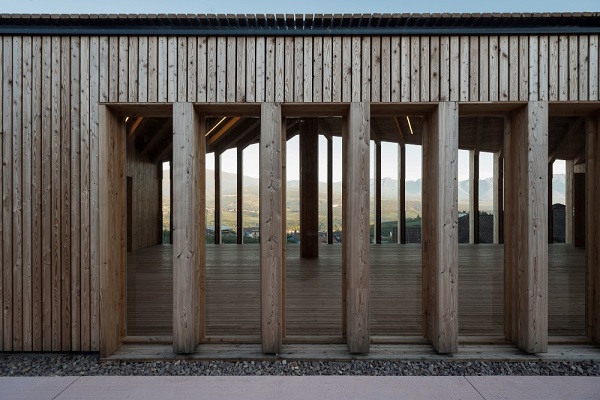
The fifth edition of the international architecture prize, "Constructive Alps", has been launched. Renovations and new buildings that set an example for sustainable construction in the Alps can be submitted until 14 March 2020.

Mountaineering recognized as world cultural heritage
Unesco now lists alpinism as an intangible world cultural heritage. Alpine associations from France, Switzerland and Italy submitted the application.
Budding ideas and flourishing projects
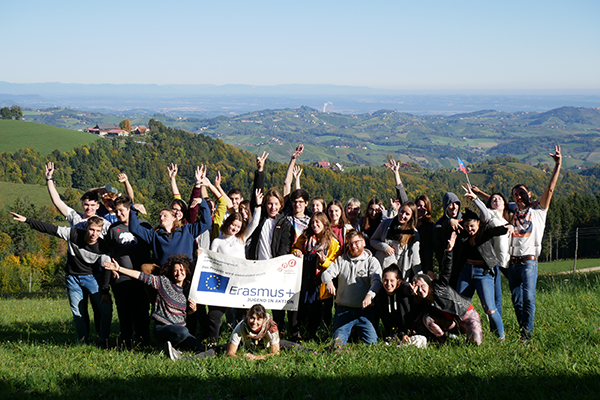
Building raised plant beds, converting parking spaces, replacing plastic bottles: at the end of the local project, young people from Schaan/LI travelled by train to Maribor/Sl and presented their actions aimed at a more sustainable lifestyle.
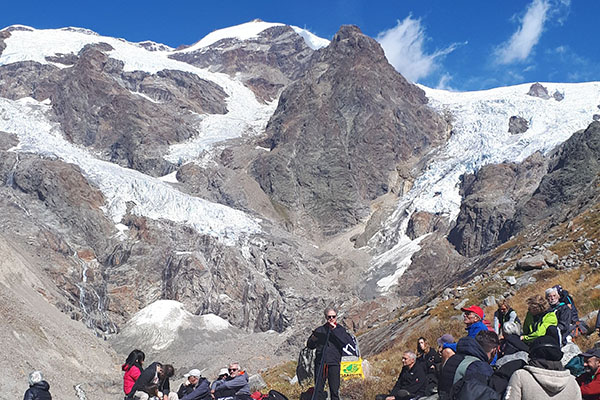
Solemn vigils for dying glaciers
Many Alpine glaciers have already disappeared due to global warming. In September 2019, vigils in Italy and Switzerland drew attention to this fact.
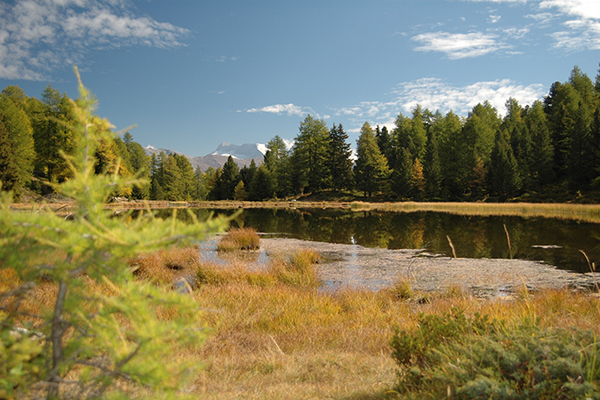
Bogs – a way out of the climate swamp
One hectare of bog can store as much CO2 as a car produces in a year. The Alps suffer from some of the world’s heaviest traffic – yet fewer and fewer intact bogs remain.
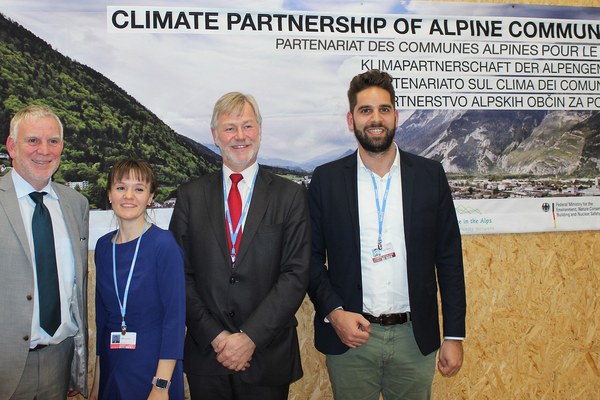
The Alps as the focus of climate policy
Temperatures in the Alps are rising faster than the global average. The search for solutions is not limited to the World Climate Conference being held in Bonn, Germany.
Turning risks into opportunities
On this October afternoon in the Swiss region of Surselva, the hotel in Vals is a hive of activity as a group of people discuss and gesticulate in German and Romansh. They’re engaged in an exchange of views on the opportunities, risks, and future of the valley in the wake of climate change.
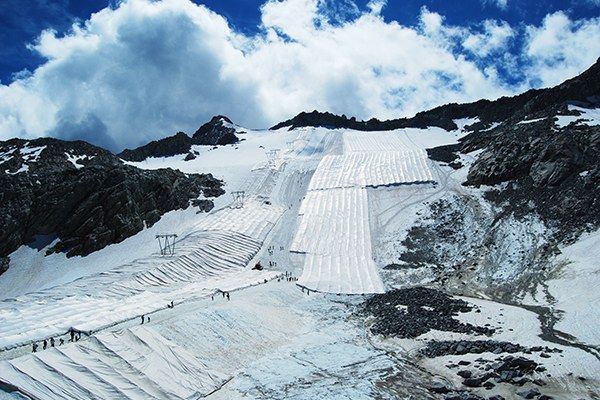
Polluted glaciers
Pesticides, herbicides, medicines – all these materials were found at over 2,700 metres above sea level. The water flowing down from the Presena glacier into the valley reflects this state of affairs.
Point of view: Adaptation to climate change is inevitable
Despite progress in international climate policy, a rise in temperatures is inevitable. An adaptation now will save costs later, states Wolfgang Pfefferkorn, project manager for climate and energy at CIPRA International. Alpine regions are leading the way.
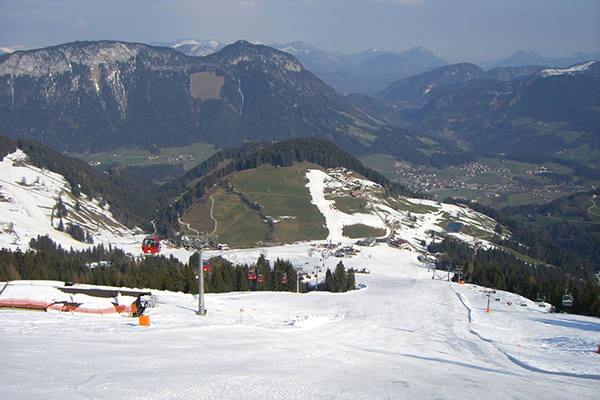
The Alps are losing their snow
A recently published study shows that winters are ever shorter and the amount of snow is decreasing. The main reason for long winters becoming more and more a thing of the past is the earlier spring thaw.
Point of view: Switzerland needs help with its climate policy
Switzerland was formerly a leading light in environmental policy. Today, sadly, it does not even have a plan for implementing the goals of the Paris climate agreement, says Hans Weber, executive director of CIPRA Switzerland.
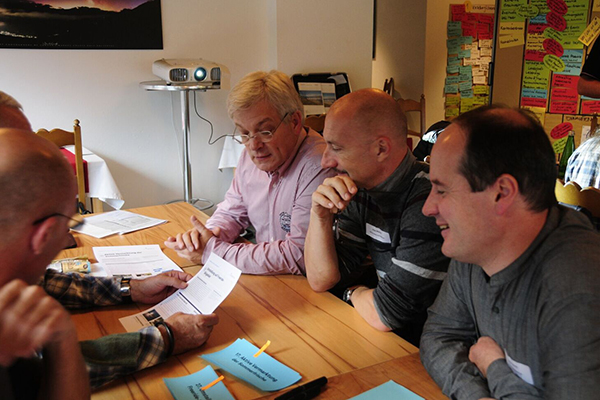
A toolbox for climate change
Climate change is a fact. Its complexity, however, means that it remains an abstract notion for regional decision-makers. CIPRA, together with its partners, is supporting Alpine regions.
Strange but true...
When it comes to superlatives, the French also want to get in on the act.
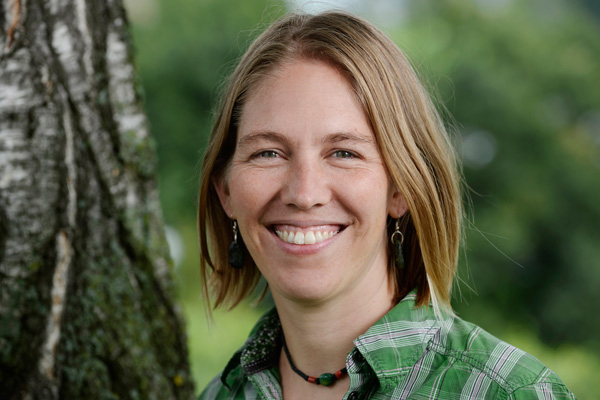
Point of view: Change begins in the heart
Claire Simon, Executive Director of CIPRA International, used the occasion of the 2015 CIPRA annual conference to call for more engagement with people and their ways of thinking in order to strengthen the natural and cultural diversity of the Alps.
Strange but true...
Alpine glaciers are a skiing venue in the middle of summer, they supply villages and towns with drinking water and even provide a habitat for glacier fleas.
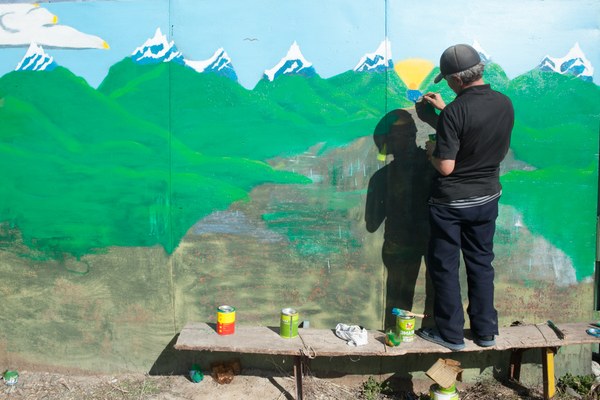
Initiating change for a good life in the Alps
What does it take to ensure a good life in the Alps? What social and political changes are necessary? Answers will be provided at the annual CIPRA Conference to be held on 25 and 26 September 2015 in Ruggell, Liechtenstein.