
News
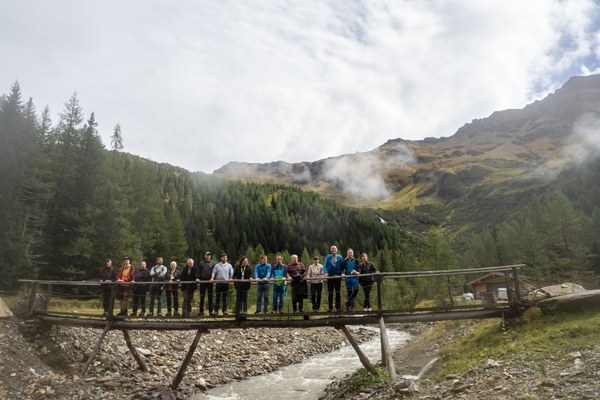
Ideas for Jelovica from Pinzgau
Preserving the region’s natural and cultural heritage: this is the aim of the project on the Slovenian karst plateau of Jelovica. In mid-September 2022, the Slovenian partners of the “JeloviZA” project travelled to the Austrian Pinzgau region to gain inspiration from the Hohe Tauern National Park region.
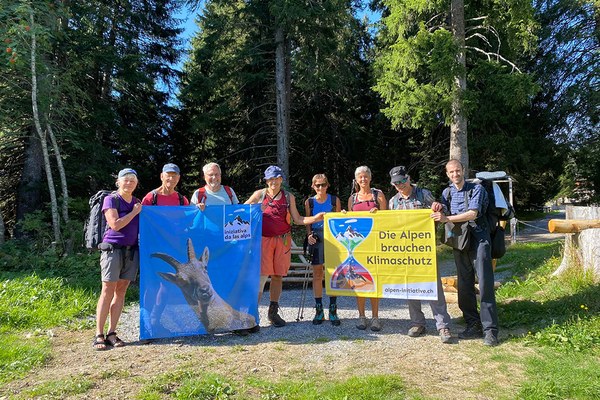
A signal for climate protection
From Triglav National Park in Slovenia to Radnig in Austria and Gondo in Switzerland, on 13 August 2022 people came together to set an example for climate protection. This year’s «Fire in the Alps» was held under the motto «The Alps need climate protection».
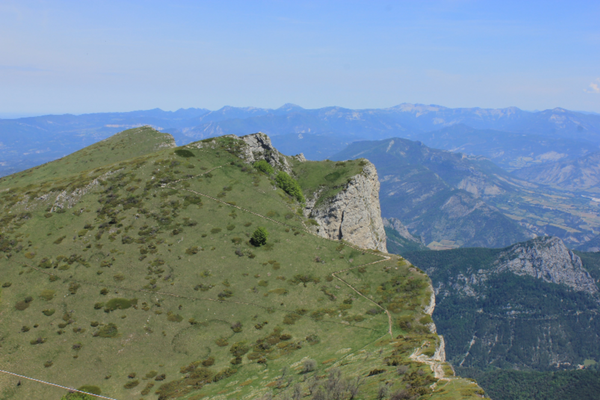
Natura 2000 site under pressure
Too many visitors are putting a strain on nature in the Trois Becs/F area and pushing the infrastructure to its limits. A study by CIPRA France proposes measures, including on-site personal sensitisation and greater communication.

Point of view: the excessive character of the Olympics
High construction costs, unused sports facilities, environmentally damaging large-scale projects: loud criticism continues to surround the staging of the 2026 Winter Olympics in Milan and Cortina/I. We must ask whether such sporting events still have a place in the Alps, says Vanda Bonardo, President of CIPRA Italy.
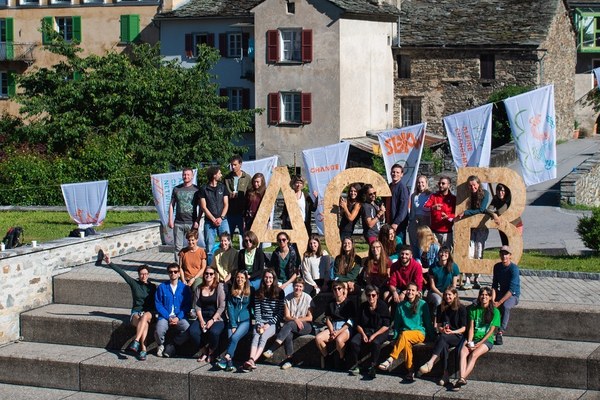
#alpinechangemaker wanted
Projects for a good life in the Alps: highly motivated people from the Alpine region can apply until 15 May with ideas for the “Alpine Changemaker Basecamp” (ACB). They can look forward to a transdisciplinary project week, exchanges with like-minded people and a one-year mentoring programme.
Alpine soils: allies in climate protection
The soils of the Alps make a decisive contribution to climate protection. But intensive land use and rising temperatures are endangering them: not only are they losing their valuable function as carbon reservoirs, but they may even become a source of greenhouse gases themselves.
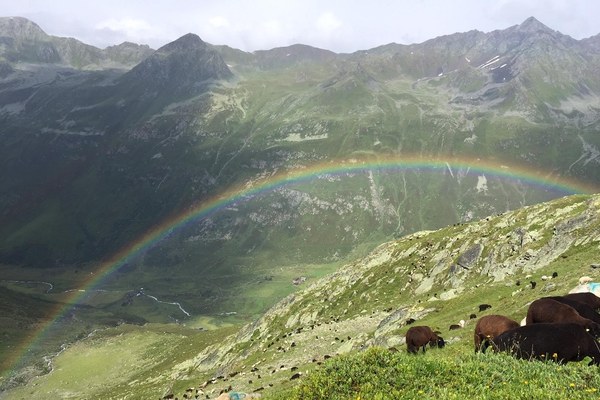
Alpine-wide network for shepherds
What are the possibilities and challenges for a cross-border organisation for shepherds in the Alps? CIPRA held an online conference on 27 January 2022 with representatives from agricultural colleges, national authorities, nature conservation groups and shepherds' organisations to find answers.
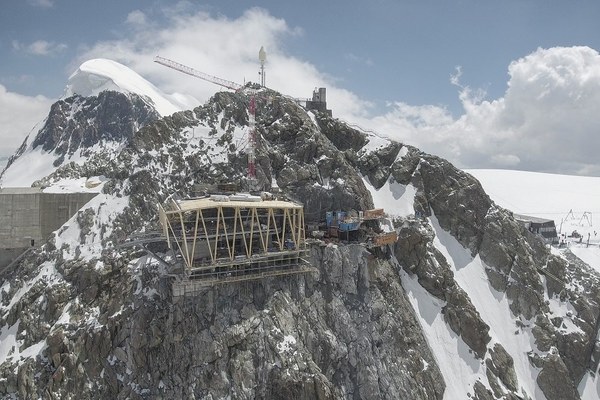
Questionable construction boom in ski resorts
Cable cars, reservoirs and blasting pylons: the Alpine landscape has been and continues to be built up for winter tourism even during the pandemic – sometimes in nature reserves and despite much criticism.
Saving land, saving soil
In the Alps and beyond, land is built up every day and valuable soils are lost. The project "Saving:Soils" shows alternatives and develops solutions together with pilot regions.
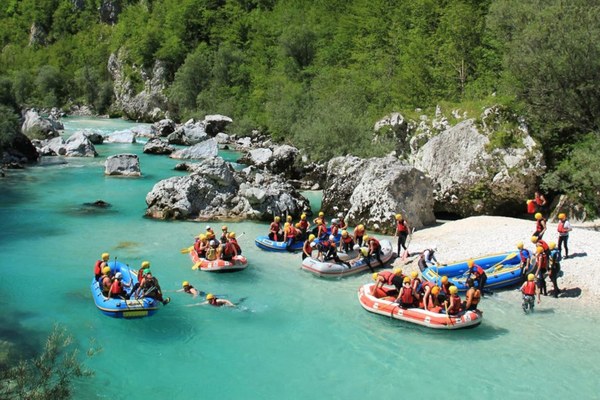
Leaving few traces along the way
How do we leave as few traces as possible on our way to the mountains or other attractions? On 22 November 2021, around 150 participants travelled virtually through the Alps during an online conference and exchanged ideas on measures to guide visitors in sensitive natural areas.
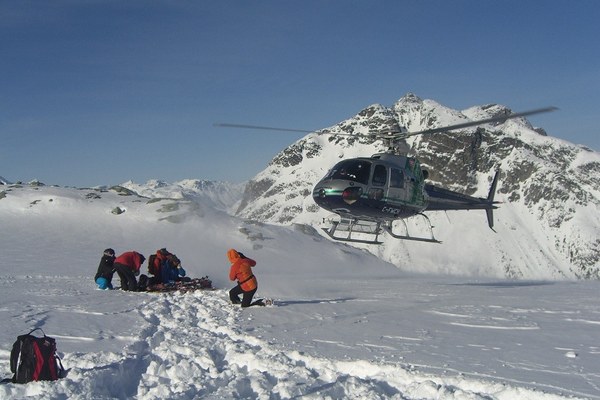
Onto the slopes by helicopter
Is heliskiing in the public interest? Vorarlberg extends its authorisation by two and a half years: CIPRA Austria calls for greater emphasis on climate protection.
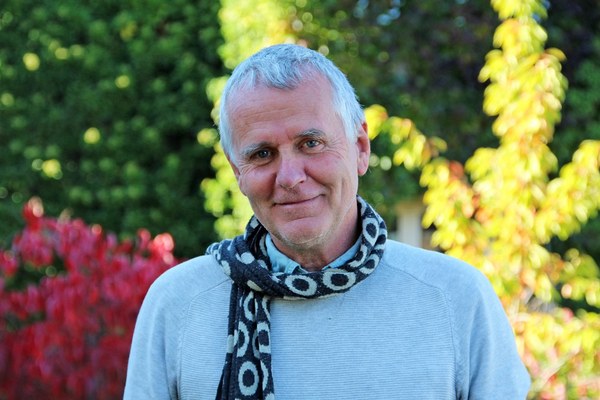
Point of view: Let's finally press the reset button in tourism!
Mass tourism in the Alps has collapsed due to the ongoing Corona pandemic, and the opportunities for switching to environmentally and socially just tourism have increased. But they must also be exploited, says Hans Weber, Executive Director of CIPRA Switzerland.
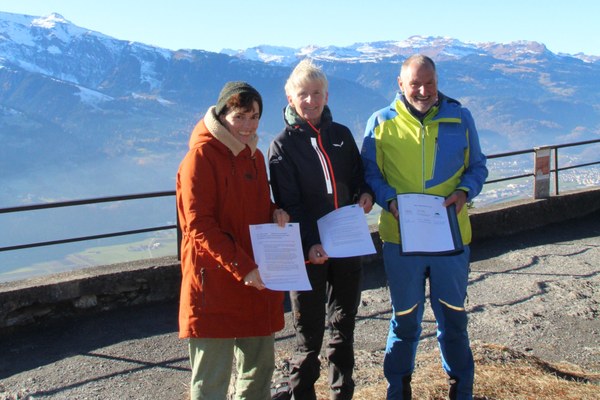
New alliance for European mountain regions
Three umbrella organizations committed to mountaineering and sustainability in European mountain regions decided, at the end of November 2021, to join forces: the Club Arc Alpin (CAA), the European Union of Mountaineering Associations (EUMA) and the International Commission for the Protection of the Alps (CIPRA).
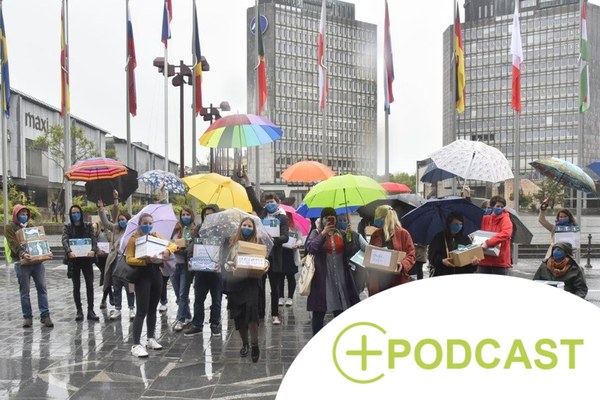
For drinkable water
In a referendum held at the beginning of July, Slovenia’s citizens voted by a clear majority in favour of preserving the shore and coastal zones. In doing so, they overturned a new law that would also have affected Alpine waters.
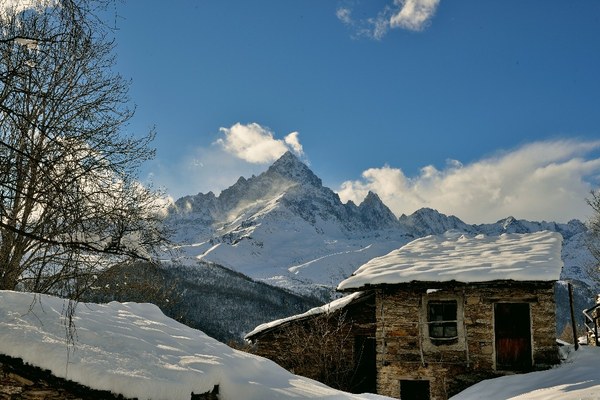
Abandoned and uncultivated
Remote mountain villages in Piedmont/I have been struggling with heavy emigration for years. The region is now supporting people moving back to the mountains. A study from Austria shows how endangered Alpine agriculture actually is.

Innovations and aberrations
Helicopter flights and Australian white wine on the one hand, an eco-museum and recycled smartphones on the other: positive and negative awards from environmental organisations point the way to a more sustainable future.
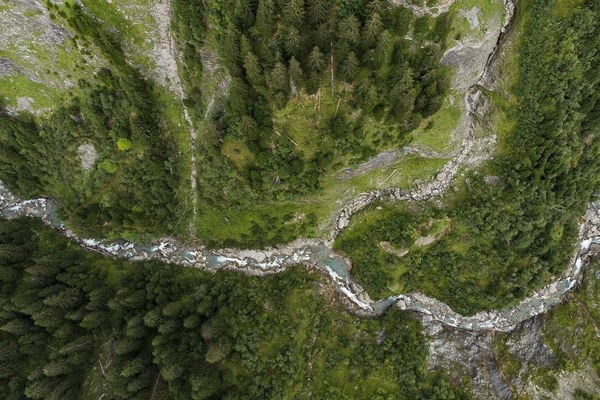
How much hydropower is ecologically sustainable ?
Renovate power plants instead of building new ones, preserve the last freshwater pearls, coordinate use and protection across countries: CIPRA has published a position paper with detailed technical demands on the use of hydropower in the Alps.

Do you speak Alps?
A different dialect in every community: the linguistic diversity of the Alps is fascinating and constantly changing, which also makes it interesting for linguists. Using modern methods such as crowdsourcing, a research project is collecting dialect words across the Alps for a digital, living lexicon.
Point of view: Water will not tolerate resistance
Extreme weather conditions are also increasingly affecting the Alps. The climate crisis is driving this development. Can more and more dams, barriers or power stations solve the problem and at the same time satisfy the growing hunger for energy? We must work with the power of water rather than against it, says Kaspar Schuler, CIPRA’s Executive Director and co-author of CIPRA’s new position paper on hydropower.
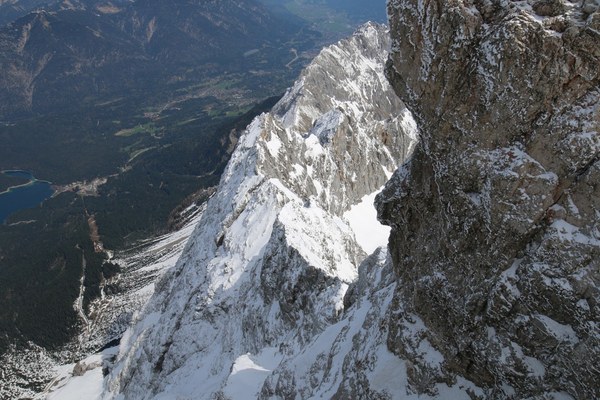
Climate crisis makes mountains crumble
Rockfalls and rockslides are nothing new in the Alps, but dwindling permafrost is making the situation even worse – for mountaineering and for villages.
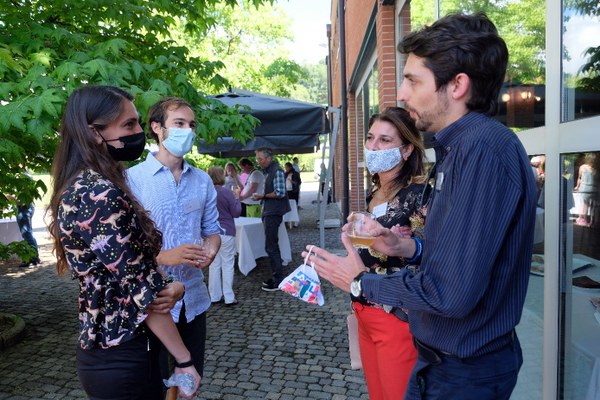
How much is nature worth?
Alpine pastures that provide us with food. Trees that provide a pleasant microclimate. Alpine landscapes that heal and touch. At the beginning of July 2021, around 100 participants from all Alpine countries discussed the benefits and value of nature in the Alpine region at CIPRA’s Annual Conference in Biella/I.
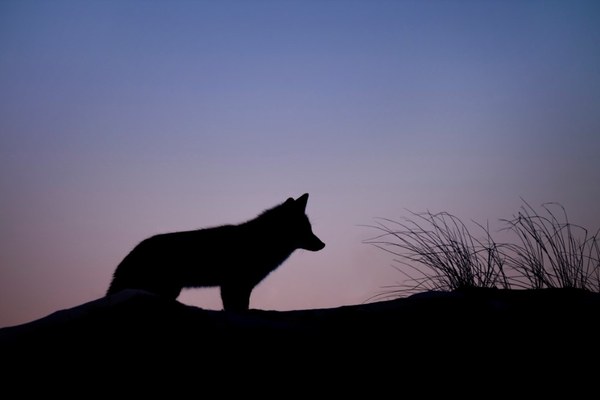
Dangers with wolves
The wolves are back: a CIPRA project now sheds light on why transparent communication, professional herding and more networking are needed.
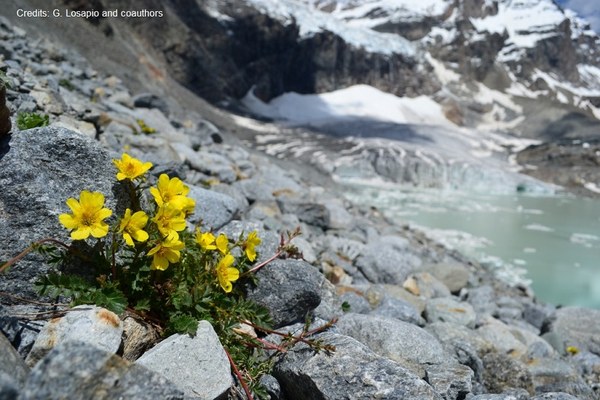
Alpine plants: persistent and endangered
Spiked rue, glacier buttercup, saxifrage: the habitat of such alpine plants is shrinking with the glaciers, as a recent study shows. In addition to climate change, mountain plants are also suffering from nitrogen deposition.
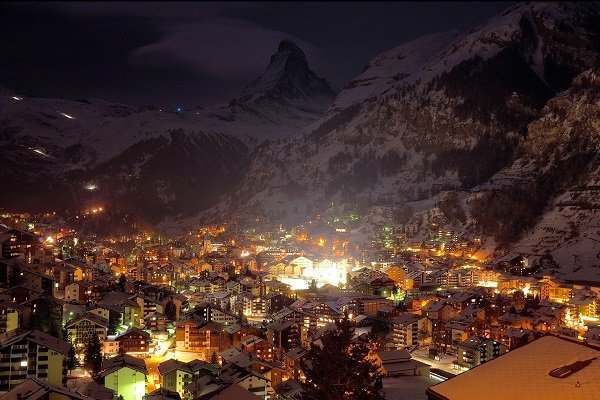
Darkness is worth protecting
Insect mortality, fewer pollinated plants, disoriented migratory birds, disturbed sleeping rhythms: the worldwide increase in light pollution has an enormous impact on flora, fauna and humans – including in the Alpine region.
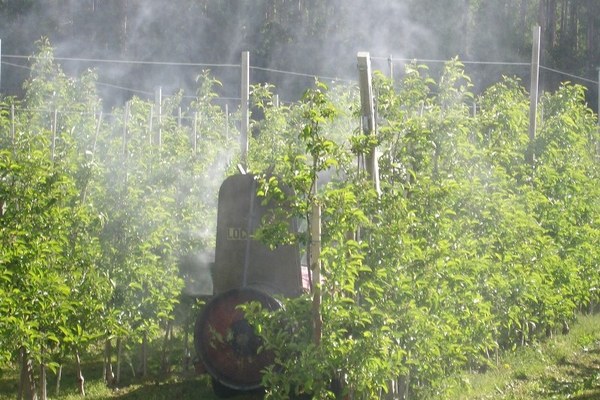
Where pesticides do not belong
On children’s playgrounds, in schoolyards and at the marketplace: researchers from Italy, Austria and Germany detect 32 different agricultural poisons in public places in South Tyrol.
Point of view: A plea for colourful cities
Corona has strikingly shown how important accessible local recreation areas are for our well-being. Over 70 percent of the Alpine population live in cities. There is a great deal of potential for action there in particular, says Magdalena Holzer, Project Manager at CIPRA International.
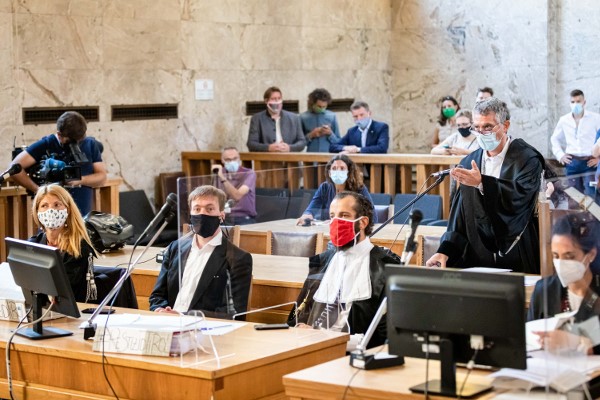
Pesticides trial opens
No criticism of pesticides wanted: a South Tyrolean provincial council, along with over 1300 farmers, has accused pesticide critics of libel.
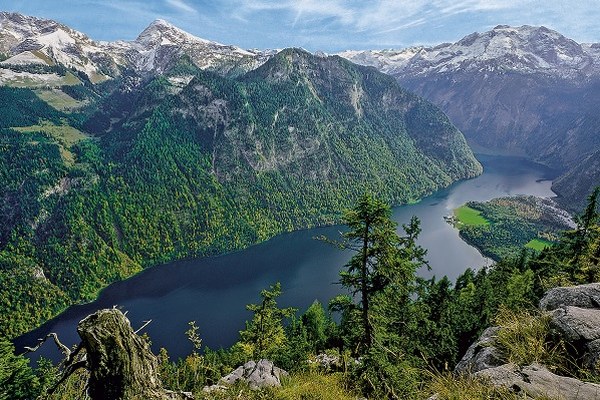
Monitoring Alpine biodiversity
Photo traps, audio recorders, soil samples: a unique research project in the Alps documents the effects of the climate crisis on biodiversity in the Berchtesgaden National Park/D. The findings will also benefit other mountain regions.
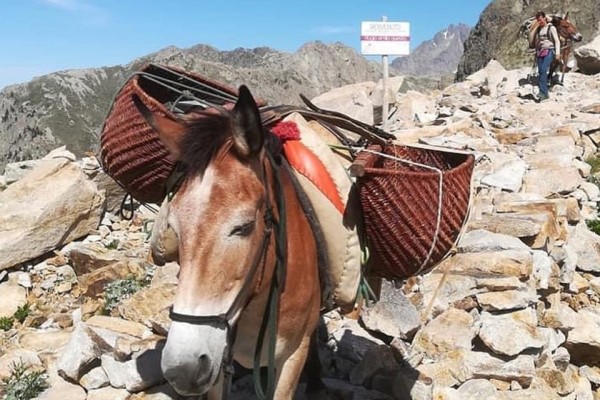
Hut transport: mules as an alternative
For centuries, mules and horses have transported goods in mountainous regions. What used to be the only means of transport has nowadays mostly been replaced by helicopter. A nature park in Piedmont, Italy, is now organising the delivery of goods to mountain huts by mule, while environmentally friendly alternatives to helicopters are also being tested elsewhere.
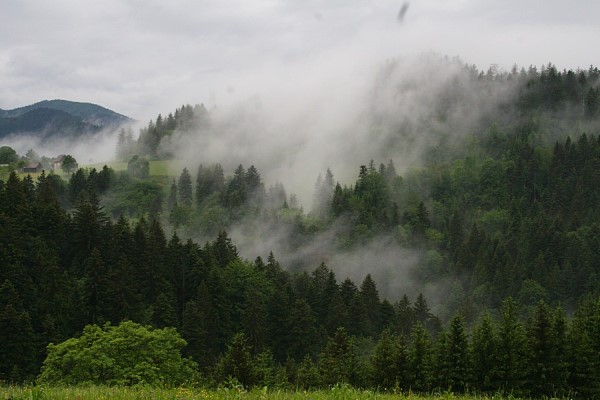
Living mountain forests
Climate protector and habitat, recreational area and timber supplier: forests have many functions, both in the natural ecosystem and for humans. CIPRA Slovenia's “GozdNega / Forest Care” project aims to convince forest owners of the benefits of climate-friendly management.