
Projects
PlurAlps
[Project completed] The Alpine area is experiencing the combined challenges of an ageing population and new migration models. At the same time, opportunities for social innovation and development arise from increasing cultural diversity and pluralism. Mountainous and peripheral Alpine municipalities and regions are specifically concerned and need technical support and new approaches to develop a welcoming culture, which should be credibly embraced and implemented by municipalities, SMEs and civil society.
GaYA
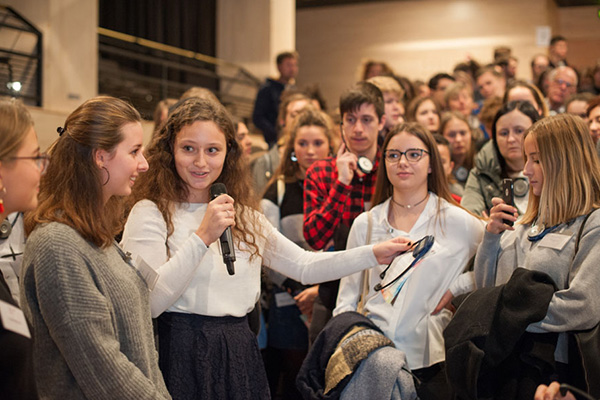
[Project completed] Governance and youth in the Alps - Young people tend to leave the Alpine space because they lack personal and professional fulfilment. Furthermore a majority of decision-makers remain unaware of the benefits a young active population brings to society.
whatsalps youth
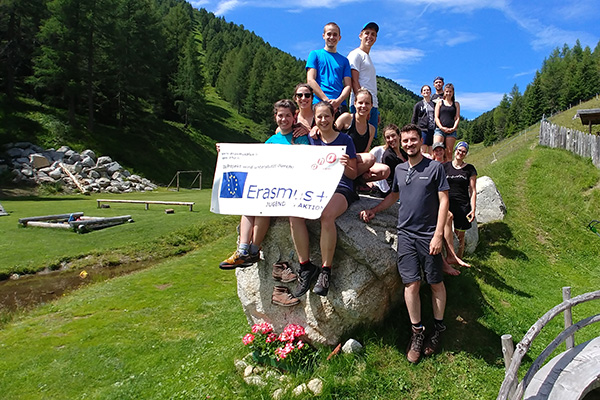
[Project completed] Many young people spend most of their time indoors, sit in front of the TV or the computer. The "whatsalp youth"-project lured them out. The CIPRA Youth Council, together with CIPRA International and other project partners, was implementing it.
Worthwild
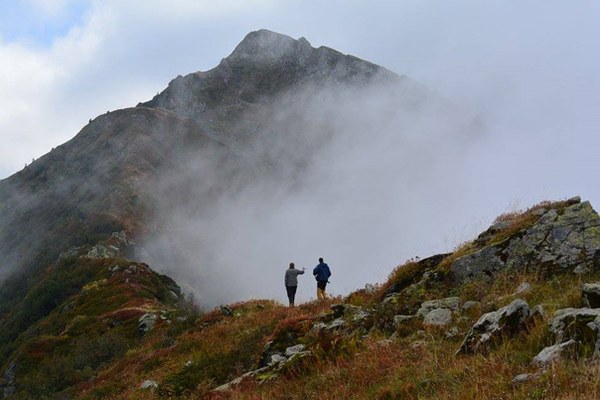
[Project completed] Only minimally impacted by human intervention, areas with limited infrastructural development in the Alps provide European societies with a wide range of ecosystem services, such as the conservation of biodiversity and climate regulation.
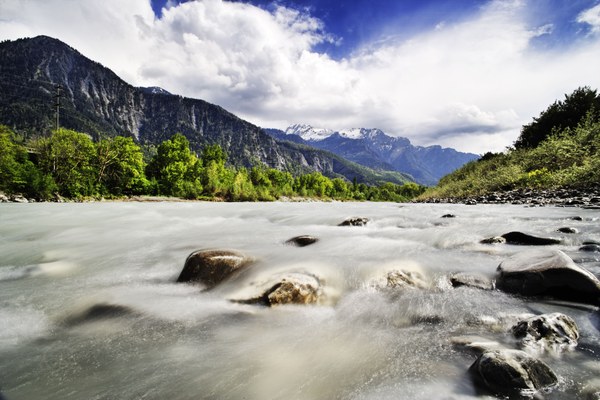
SPARE – Alpine rivers as society’s lifelines
[Project completed] What is the state of the Alpine rivers? How can we bring those responsible and other interested parties to committing themselves to holistic river management? The SPARE project strives to answer these and other questions.
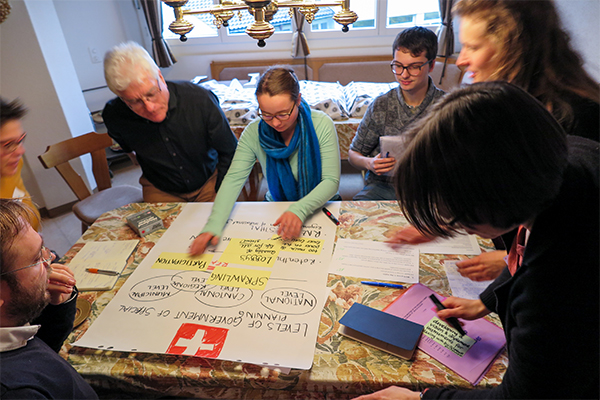
I-LivAlps
[Project completed] Youth participation as tool to fight the demographical change threatening the Alps - this was the topic of the project “I-LivAlps: LivingLabs with young people in the Alps”. The motor of the process were active, skilled, engaged young people, coordinatet by competent youth leaders and a stable and efficient international network able to foster local activities at the national level in order to anchor youth participation. 36 participants from 6 alpine countries, aged between 15 and 30 years, with different cultural and educational backgrounds were working together with national NGOs to get new skills to become proactive in their community.
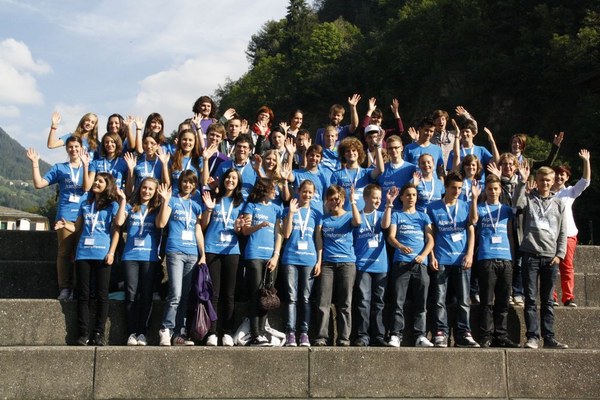
young@lpWeek
[Project completed]
Future in the Alps
[Project completed]
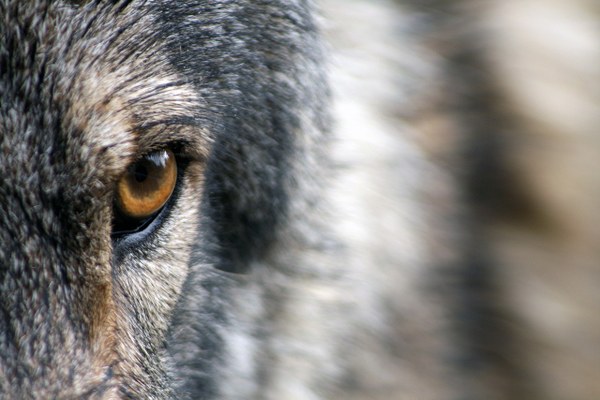
Knowledge transfer on the co-adaptation of humans and wolves in the Alpine region
[Project completed] The return of large carnivores is increasingly causing the fronts to harden between different groups of stakeholders. Among the large carnivores returning to the Alps, the wolf is the most widespread and therefore the most widely debated animal. Wolves are synanthropic animals and cross boundaries - physical as well as intangible ones – regularly. Thus, they have been accompanying and influencing social and cultural processes since time immemorial. In this project, CIPRA has taken on the task to collect, analyse, make available and disseminate knowledge about the co-adaptation of humans and wolves throughout the Alps.
greenAlps
[Project completed]
ECONNECT
[Project completed]
Ecological Continuum Initiative
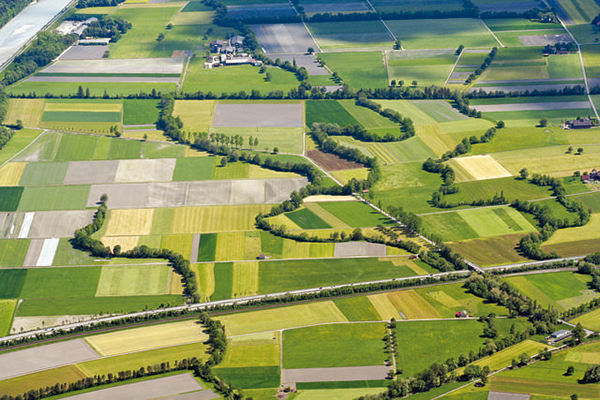
[Project completed] Nature does not stop at the boundaries of protected areas or national borders. And, more and more often, man’s interventions in nature and the landscape are dissecting habitats and lastingly obstructing the exchange and migration of fauna and flora. This is putting Europe’s unique biodiversity in the Alps at risk.
Alpine Dialogue
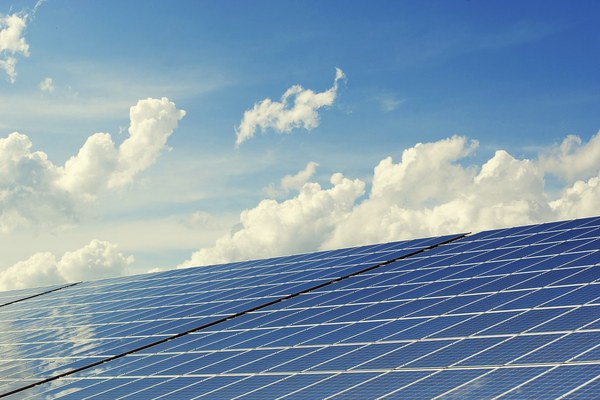
[Project completed] Energy transition does not stop at the gates of the Alps. A low carbon society and nuclear phase-out are on the political agenda of the Alpine governments. In sensitive natural areas of the Alps, the increased use of renewable energy can lead – and is already leading – to significant conflicts, for instance between the last natural rivers and hydropower.
Youth Alpine Dialogue
[Project completed]
CIPRA summer academy
[Project completed]