
Articles
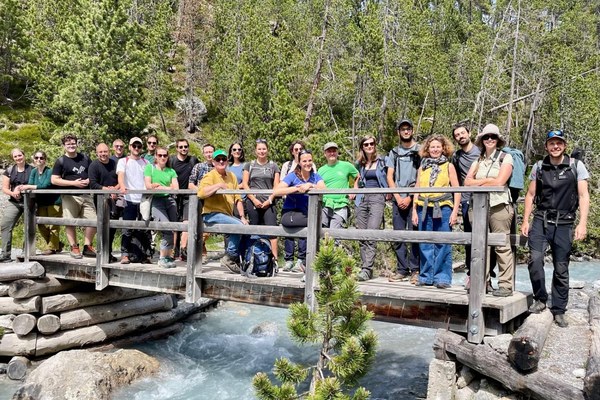
When research aids biodiversity
Researching and strengthening natural diversity across the Alps: with this goal in mind, the Interreg project AlpsLife brought together science, practice and politics in summer 2025 – in the Swiss National Park and at the meeting of the Alpine Biodiversity Board of the Alpine Convention in Liechtenstein.
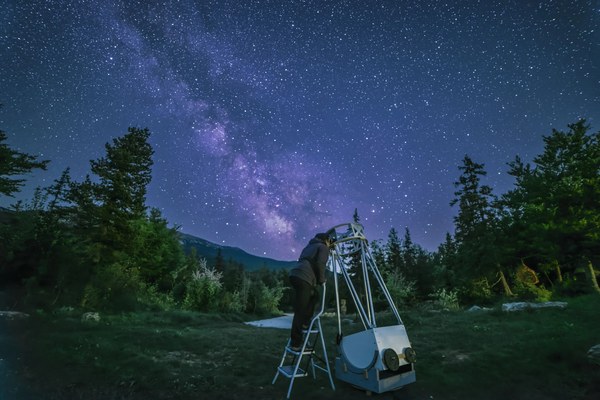
Keeping our eyes on the stars
Dark nights have become a rarity in our bright world. Artificial light from settlements, industry, street lighting and billboards illuminates the night sky. In Austria, a new natural night sky area is being created that will preserve the view of the starry sky.
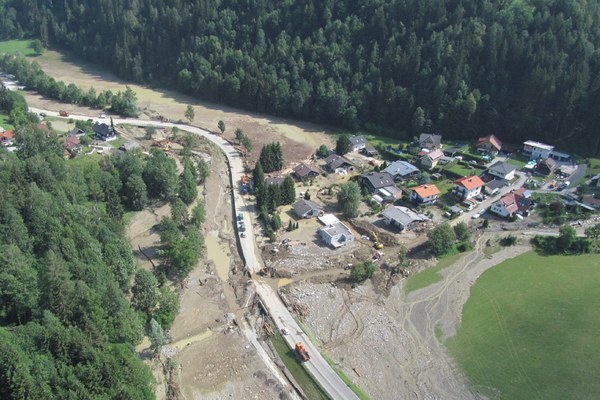
After the flood
What role could biosphere reserves play in dealing with climate risks? This was the subject of an international workshop organised by the MultiBios project in Bad Kleinkirchheim/A at the beginning of April 2024, which included a site visit to the Gegendtal valley that was affected by heavy rainfall and flooding two years ago.
Point of view: European elections 2024: why a Swiss citizen would also like to vote
Switzerland’s referendum-based democracy has pitfalls of its own when it comes to environmental and climate policy. There needs to be an overarching corrective, such as neighbouring countries have in their constitutional courts and through the legal institutions of the EU, says Kaspar Schuler – as a Swiss citizen and Executive Director of CIPRA International.
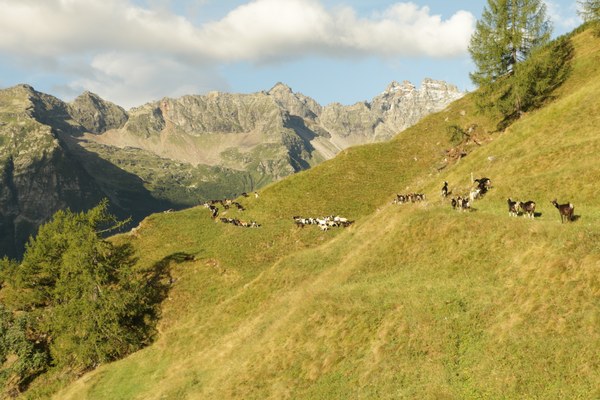
UNESCO recognizes Alpine season as cultural heritage
In December 2023, UNESCO added the “Alpine season” to its Representative List of Intangible Cultural Heritage. Known for centuries in Switzerland and neighbouring countries, the Alpine season remains alive and well thanks to its many different forms.
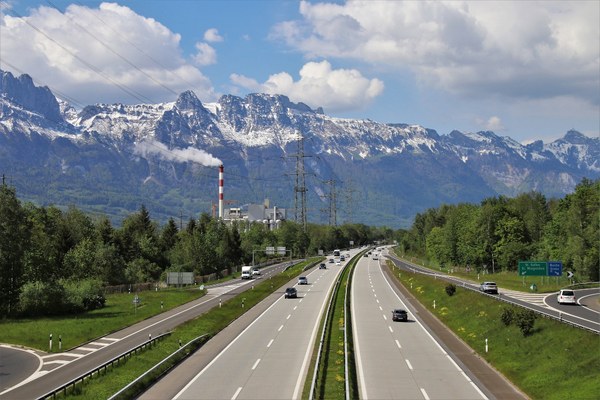
Hidden CO2 emitters
Climate protection measures are expensive, which is why they are regularly criticised and rejected. How then can it be that at the same time the Alpine states are spending billions on environmentally harmful subsidies?
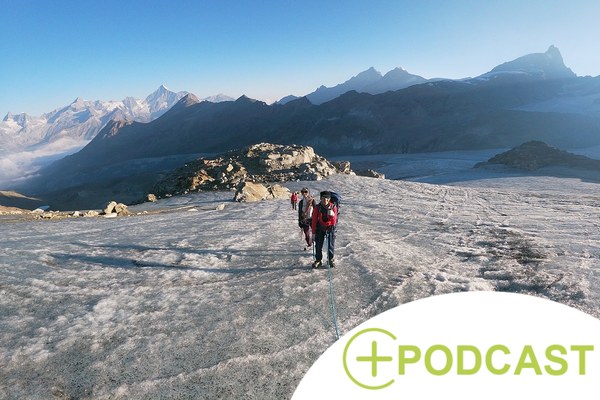
Expedition for future female glacier researchers
Stay overnight on the glacier for over a week, climb peaks, carry out scientific experiments: the “Girls* on Ice” project offers girls an awe-inspiring summer experience.
Point of view: Let's finally press the reset button in tourism!
Mass tourism in the Alps has collapsed due to the ongoing Corona pandemic, and the opportunities for switching to environmentally and socially just tourism have increased. But they must also be exploited, says Hans Weber, Executive Director of CIPRA Switzerland.

Innovations and aberrations
Helicopter flights and Australian white wine on the one hand, an eco-museum and recycled smartphones on the other: positive and negative awards from environmental organisations point the way to a more sustainable future.
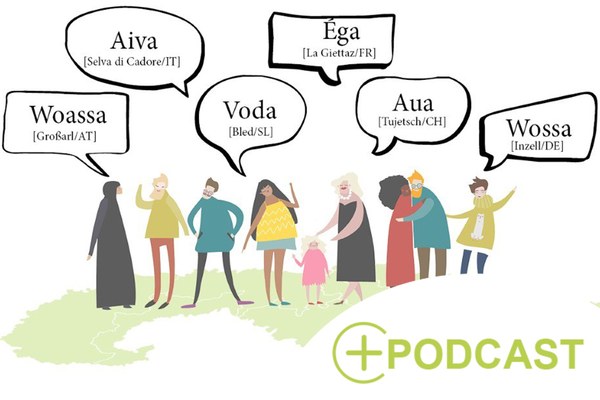
Do you speak Alps?
A different dialect in every community: the linguistic diversity of the Alps is fascinating and constantly changing, which also makes it interesting for linguists. Using modern methods such as crowdsourcing, a research project is collecting dialect words across the Alps for a digital, living lexicon.
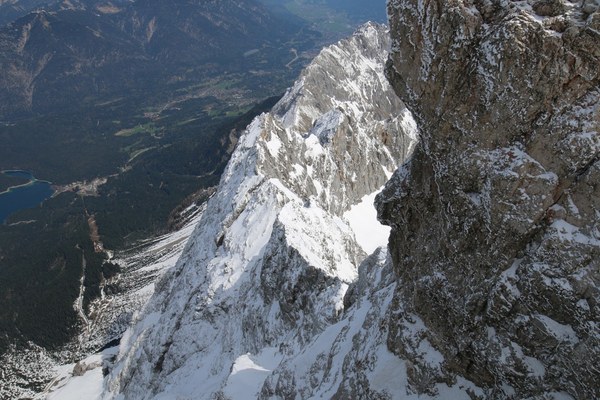
Climate crisis makes mountains crumble
Rockfalls and rockslides are nothing new in the Alps, but dwindling permafrost is making the situation even worse – for mountaineering and for villages.
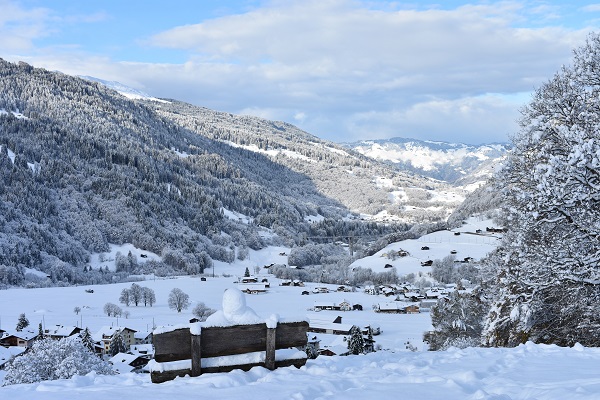
Sabbatical in the Alps
Take a longer break and give something back: The "Alpine Sabbatical" in Switzerland offers a meaningful alternative way of spending your free time.
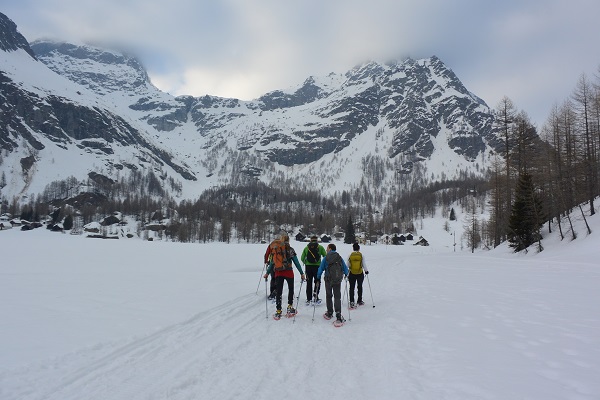
Two regions, one Nature Park
Nature protection across borders. The Veglia-Devero Nature Park in Italy and the Binntal Landscape Park in Switzerland have together been certified as a “Transboundary Park”.
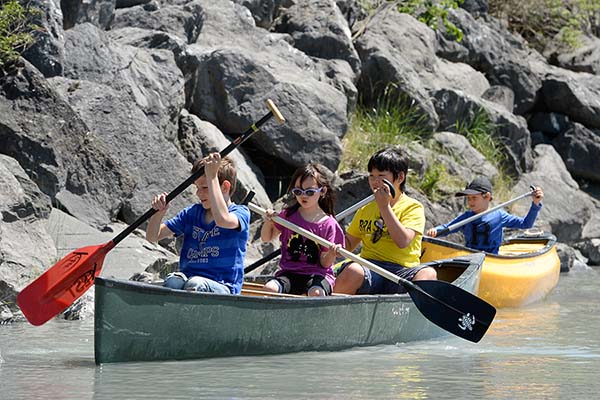
The Alpine Rhine fête
CIPRA Liechtenstein. Taming Europe’s biggest torrent began some two hundred years ago. Today, the Alpine Rhine is a canal, its course lined for the most part by intensively used farmland and residual pockets of wetland forest.
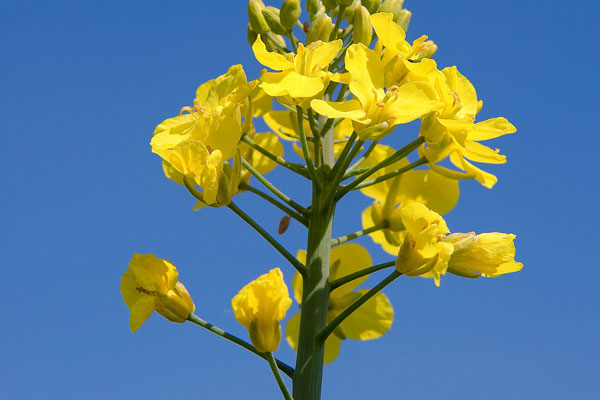
Genetic engineering: sinister passengers in the Alps
In Switzerland genetically modified rapeseed is spreading in uncontrolled fashion. Yet its cultivation and use for feeding have been prohibited there since 2008. How is it that such rape is appearing in places where it has no right to be?
Oh...
…the Alps have clearly got wilder, particularly in the Swiss canton of Graubünden (Grisons).
Salmon coming to the Rhine
From the Atlantic to the Alps: by 2020 the Rhine will once again be a home to salmon. These migratory fish will then be able to swim unhindered all the way to Basel -short-term by unconventional means where necessary.
Oh...!
... Honesty pays off in the end. This must have been the thought of a 90-year old inhabitant of the Canton of Wallis who had spent his entire life blasting away at animals against the law.
Nature-friendly tourism and connected habitats in the Rhaetian Triangle
Supporting the implementation of an ecological network continues to be a major issue in the Swiss region of the Lower Engadine. The new "Colliar" project intends to improve co-operation on regional initiatives by different sectors.
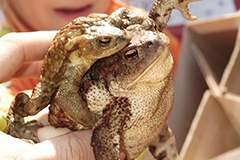
Better ecological corridors and fewer accidents involving animals on Swiss roads
The Federal Council has drawn positive conclusions as regards the status of ecological corridors in Switzerland. A pilot project has tested how to successfully reduce collisions between animals and cars. The upcoming research field of landscape genetics provides new insights for the planning and implementation of ecological networks.
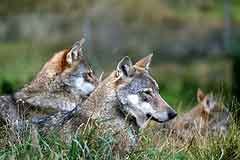
Wolves: France wants to shoot them while Switzerland celebrates new-borns
In Switzerland they are celebrating the first new generation of wolves. But where should these wolves go? A national park in the south of France has initiated a debate on this topic - with consequences for the Alps.
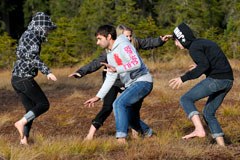
Young, climate-conscious, and thirsting for action
Young people from five Alpine nations campaigned as part of the My Clime-mate Project to make the Alps a carbon-neutral region. At the end of October they took stock - and forged new plans.
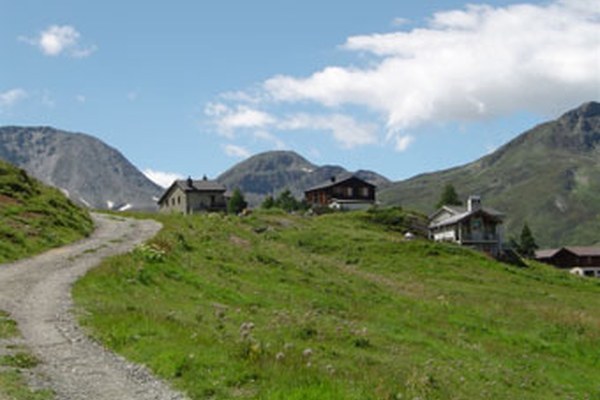
Swiss-Italian cooperation in favor of ecological connectivity
During the last Alpine Conference in March 2011 the Alpine Convention officially nominated 8 pilot regions for ecological connectivity in the Alps.
Eight new nature parks in Switzerland
The first national park in the Alps was established in the Engadine in 1914. Since then there have been very few efforts in Switzerland to create other protected areas.
Powerline poles: a serious danger for the eagle-owl
Whereas populations of eagle-owl in many parts of Europe slightly increase, they stagnate or slightly reduce in Switzerland. The situation is especially critical in Valais, where only approximately ten breeding pairs are living. In the last twenty years this population has barely changed. According to a new study only ten percent of eagle-owls in Valais survive the first year of their lives. One fourth dies of electric shock when trying to sit on obsolete powerline poles, which do not correspond to current security standards.
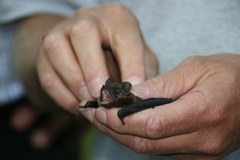
The chestnut forest plays host to a rare guest: Alliance in the Alps network of municipalities
The little bat somehow looked different. Filigree in form, brownish in colour, and with a ringed wing it huddled in the corner of the nesting box on the chestnut tree. Nicola Zambelli put on his gloves and pulled gently on the wing tip to examine the ring.
Rhaetian Triangle: new online tools and support for local initiatives
The Swiss National Park (SNP) is currently developing a web based tool to analyze barriers and corridors of the large pilot region Rhaetian Triangle. Furthermore, two local initiatives are concretely acting for the restoration of ecological connectivity. The new map application will allow comparing a freely defined area with other areas in the neighbourhood and identifying the fields with high need of action according to selected indices.
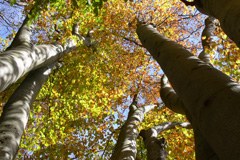
Extremes of climate affect spread of tree species
In a recently published study scientists at the WSL (the Swiss Federal Institute for Forest, Snow and Landscape) working with an international research team demonstrated for the first time that the disappearance of tree species in certain regions is due not just to the higher mean temperature but also to extremes of climate-related events.
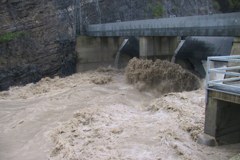
"RiskPlan" facilitates risk management
The "RiskPlan" analysis software was developed by the Swiss Federal Office for the Environment (FOEN) and the Swiss Federal Office of Civil Protection (FOCP) and presented as part of the AdaptAlp Project (Adaptation to Climate Change in the Alpine Space).
UNESCO Biosphere Entlebuch wins TO DO! Award 2008
Every year since 1995 the Institute for Tourism and Development (Studienkreis für Tourismus und Entwicklung) stages its "TO DO!" competition for socially responsible tourism.