
Articles
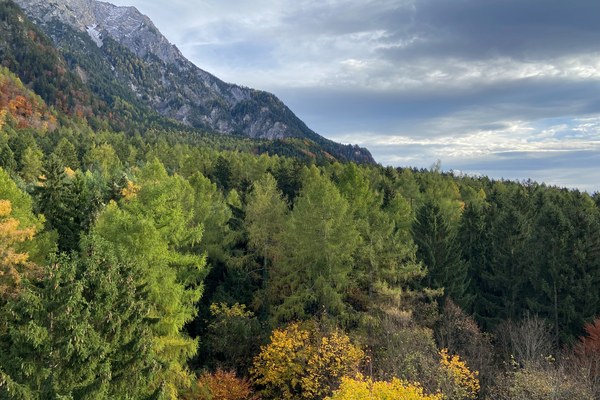
Act now to protect forests: sign the #HandsOffNature petition!
More than 40 percent of the Alpine region is covered by forests. They are not only a defining feature of the landscape, but also a cornerstone of Alpine livelihood, providing building materials, supporting biodiversity, and delivering essential ecosystem services.
When nature loses, we all lose
The air we breathe, the water we drink, the food we eat, the safety of our homes – all depend on strong environmental laws. Right now, those protections are under attack. Once they’re gone, we hand the keys of our future to those who see nature only as a resource to exhaust. In the EU, environmental laws are being gutted, under the promise of “simplification” of the legal system. But in reality, these changes will only profit greed, while endangering the lives of all.
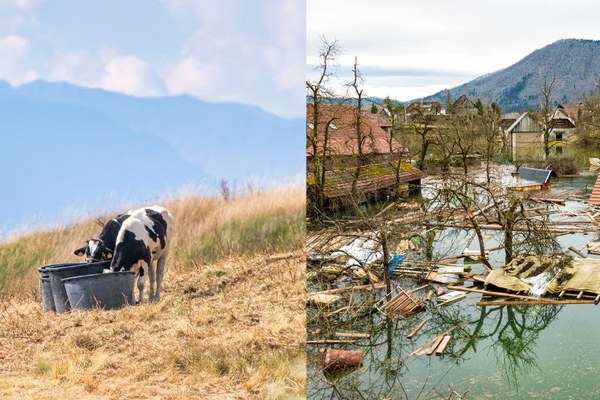
Climate risks: better to prepare than to wait
Early warning systems for heavy rainfall, prediction models for droughts: the MultiBios project, completed in April 2025, saw biosphere parks from German-speaking countries sharing their experiences in dealing with climate risks. A research team investigated their role in natural hazard management.
Too much water, too little water: excursion to the Vienna Woods
How do drones detect illegal campfires? How do settlements protect themselves from the next flood? What do forest fires have in common with avalanches? At the end of November 2024, an excursion to the Vienna Woods Biosphere Reserve by participants in the MultiBios project looked for answers.
Alpine huts: the first victims of the climate crisis?
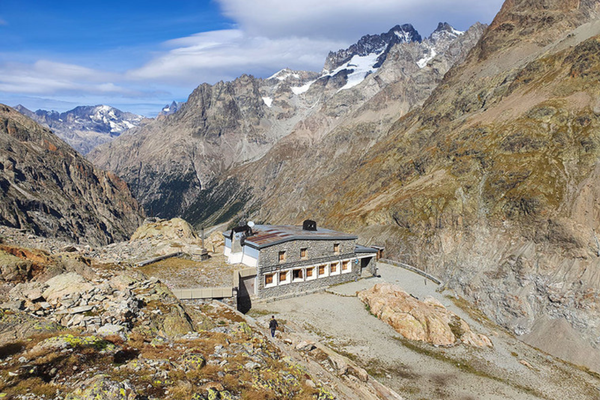
Water shortages, disintegrating mountains and renovation needs: managing Alpine huts has always been difficult, but the climate crisis is making the situation even worse. The Austrian Alpine Association has already issued an “Emergency call from the Alps”.
Green light for Nature Restoration in the EU
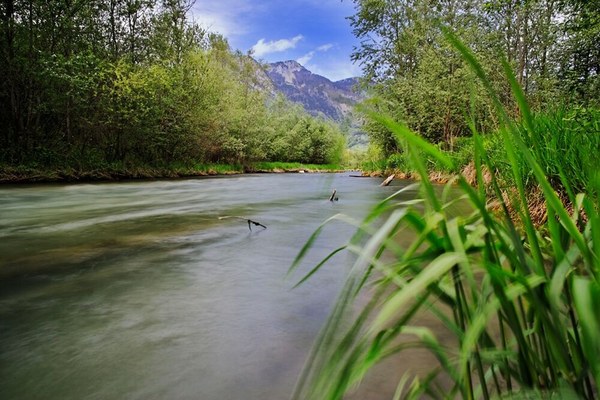
The majority of EU environment ministers voted in favour of the Nature Restoration Law on 17 June 2024. The decisive factor was the courageous and foresighted last-minute approval by Austria's Environment Minister.
After the flood
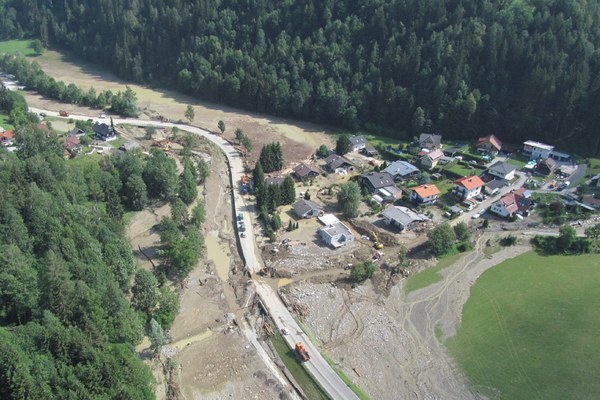
What role could biosphere reserves play in dealing with climate risks? This was the subject of an international workshop organised by the MultiBios project in Bad Kleinkirchheim/A at the beginning of April 2024, which included a site visit to the Gegendtal valley that was affected by heavy rainfall and flooding two years ago.

Implementing simple ideas for more climate protection
Simply do it is the motto of the EmpowerLIFE project launched in 2023. It supports people in realising their do-it-yourself ideas and plans in relation to climate protection. The climate crisis and the energy crisis that emerged in 2022 are motivating many people to take action: they simultaneously want to live more sustainably, help shape the future and reduce costs.
Extreme weather at a glance across the Alps
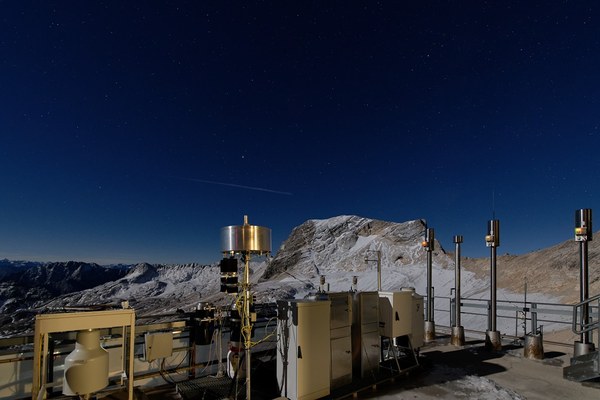
At the end of November, a new Alpine-wide research centre presented itself to the public at the Schneefernerhaus, the German environmental research station below the Zugspitze peak: the “TUM Alpha – Centre for Alpine Hazards and Risks” will coordinate, on an international basis, the prediction of extreme climate events in the mountains.
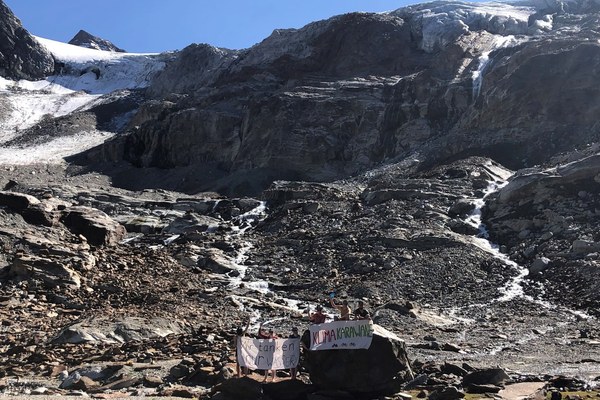
Cycling to the glacier
Exactly how mountaineering and climate protection can be combined was shown by a group of cyclists who biked from Lindau/D to the Ochsental Glacier/A at the start of September 2023. Topics along the way ranged from sustainable tourism to hydropower and nature conservation to glacier loss.
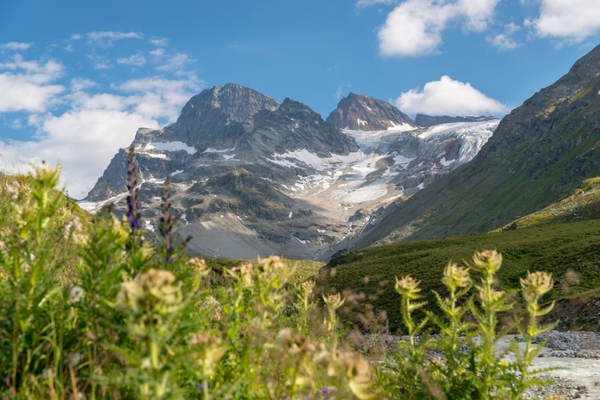
Experience the last of the glaciers
Recharge your batteries, go cycling, visit the glaciers: the Alpine Climate Camps project combines mountain sports with climate protection, further encouraging young climate activists. A bicycle tour in Austria at the beginning of September 2023 and other activities in Switzerland and Italy will draw attention to the disappearing glaciers.
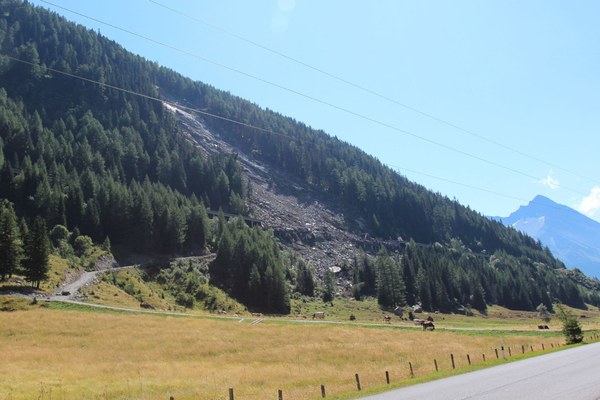
Managing climate risks in biosphere reserves
As an effect of climate change, droughts, floods and other natural hazards are becoming more frequent, sometimes even simultaneously. How can we as a society learn to cope with this and become more resilient in the process? What role can biosphere reserves play in the Alpine region and beyond? With CIPRA participation, a new research project is now looking into these questions.
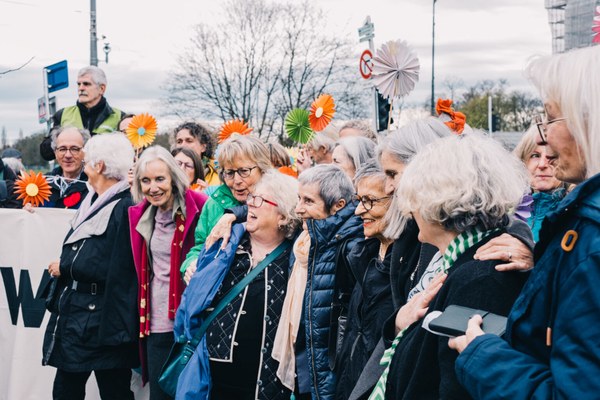
Lawsuits and laws for climate protection
Climate protection laws define clear climate targets, but for many the measures set out are insufficient. Climate lawsuits are increasing political pressure in the Alpine countries.
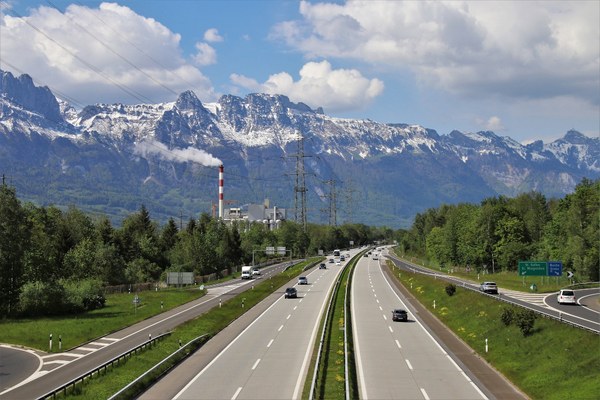
Hidden CO2 emitters
Climate protection measures are expensive, which is why they are regularly criticised and rejected. How then can it be that at the same time the Alpine states are spending billions on environmentally harmful subsidies?
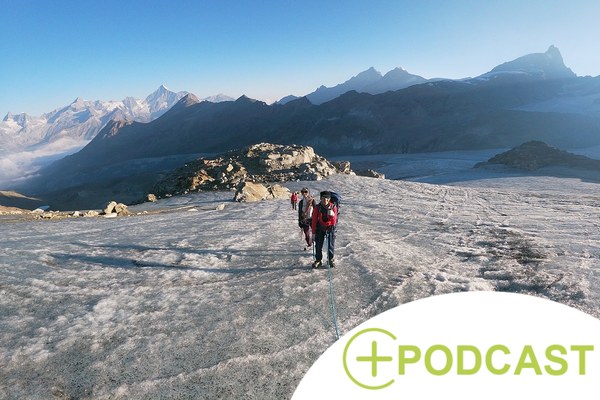
Expedition for future female glacier researchers
Stay overnight on the glacier for over a week, climb peaks, carry out scientific experiments: the “Girls* on Ice” project offers girls an awe-inspiring summer experience.
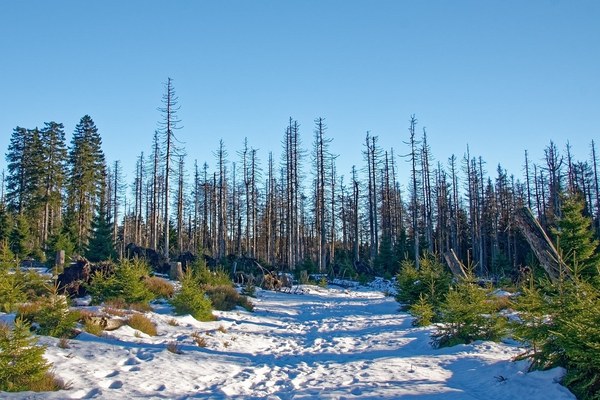
Mountain forests and climate change
The consequences of climate change are also becoming apparent in the forests of the Alps. In South Tyrol/I and East Tyrol/A this year has seen an explosive spread of pests. What looks like frightening devastation might present a long-term opportunity, however.
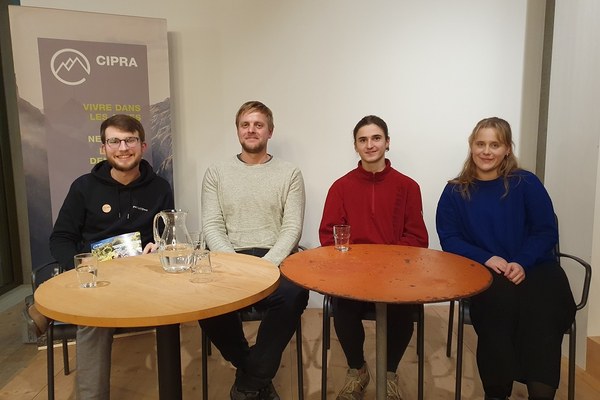
A stronger voice for young people
Young people want to bring about sustainable change, but politics and society are moving too slowly. At the launch of CIPRA International’s Erasmus+ project “Alpine Climate Camps”, young adults discussed their commitment to a sustainable world in Schaan/LI in January 2023.
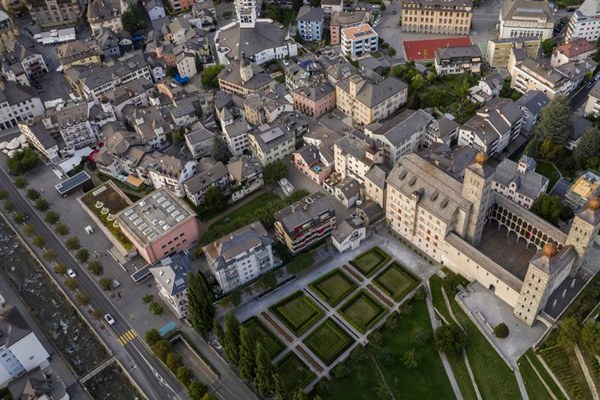
Alpine towns – key to sustainable development
The ninth Report on the State of the Alps, entitled “Alpine Towns”, was presented as part of the Swiss presidency of the Alpine Convention. It sheds light on how the Alpine settlement system hinders – or helps – the sustainable development of the Alps.
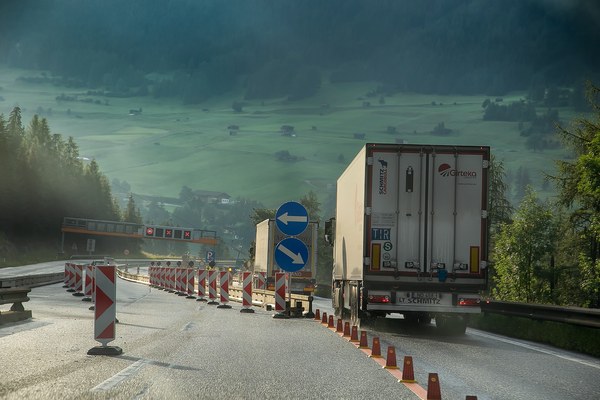
Truck promotion instead of ecology
The European Parliament has shown no understanding. Even the last rescue attempts by three parliamentarians were shot down. The new toll regulation for road haulage on European motorways will lead to the one-sided promotion of hydrogen and electric engines. This will lead to a massive disadvantage for freight transport by rail and to even more trucks.
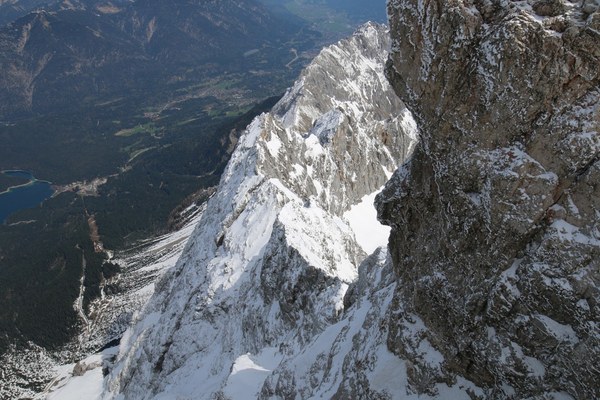
Climate crisis makes mountains crumble
Rockfalls and rockslides are nothing new in the Alps, but dwindling permafrost is making the situation even worse – for mountaineering and for villages.
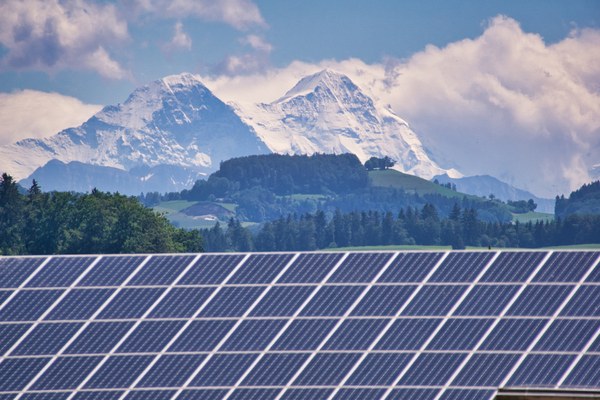
CO2 legislation: more courage needed
While the new CO2 law in Switzerland has for the time being failed, a climate protection alliance is forming in Bavaria; Austria is discussing a climate protection law; and in France the Climate Council is taking courageous decisions.
How diversity is lost
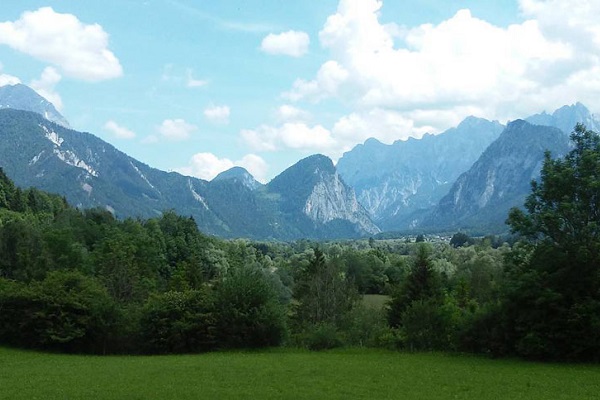
Intensive agriculture and climate change: a recent study from Austria shows how much influence both have on the loss of biodiversity in Alpine regions.
The Alps as the focus of climate policy
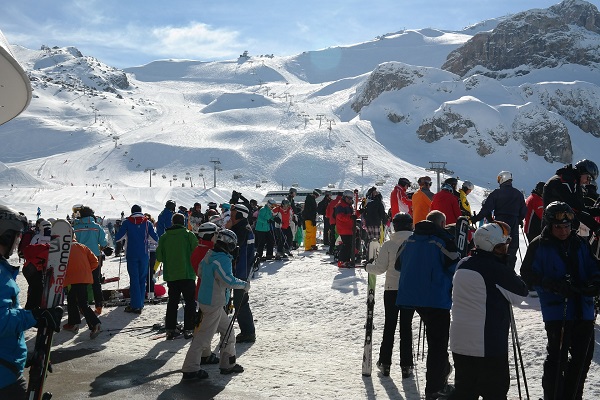
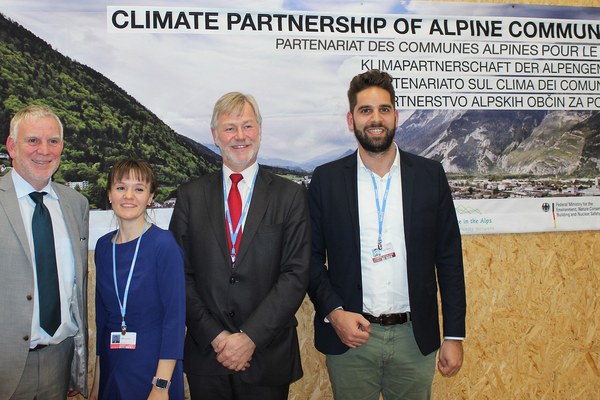
Temperatures in the Alps are rising faster than the global average. The search for solutions is not limited to the World Climate Conference being held in Bonn, Germany.
Launch of the Alpstar mobility network in Vorarlberg
Alpstar project partner Vorarlberg launches a mobility network with 9 companies mainly from the producing industry in Vorarlberg. The network partners will share their experiences in the network and they will work on solutions for upcoming challenges within the field of mobility.

Regions tackle climate change
The participants at the start-up meeting for a transnational LEADER project held in Mäder/A on 20 and 21 January 2010 went one step further. The 20 or so representatives from five interested project regions in different Alpine countries met up with CIPRA staff in Vorarlberg to get to know one another and come up with a joint project design.
Communities committed to an improved climate
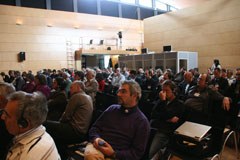
The international climate conference entitled "Municipalities and the climate - Putting mitigation measures to the test" was held in Mäder/A on 21 and 22 January. Around 130 participants from all the Alpine states responded to the invitation of the Alliance in the Alps network of municipalities and CIPRA International to discuss sustainable climate response measures.
Mountain hike for climate protection
On 15 August 2009, some seventy hikers went up to the Goldbergkees glacier on the Hoher Sonnblick in Salzburg/A to draw attention to the impacts of global climate change.
400 European municipalities committed to climate change issues
400 European towns, cities and municipalities have signed the Covenant of Mayors.
Snow levels depend on more than just altitude
New results by the Austrian research project STRATEGE show that snow levels do not necessarily depend on altitude. In precipitation scenarios relating to climate change, researchers found that other factors such as the micro climate, relief and exposure of the locations concerned also had to be considered.