
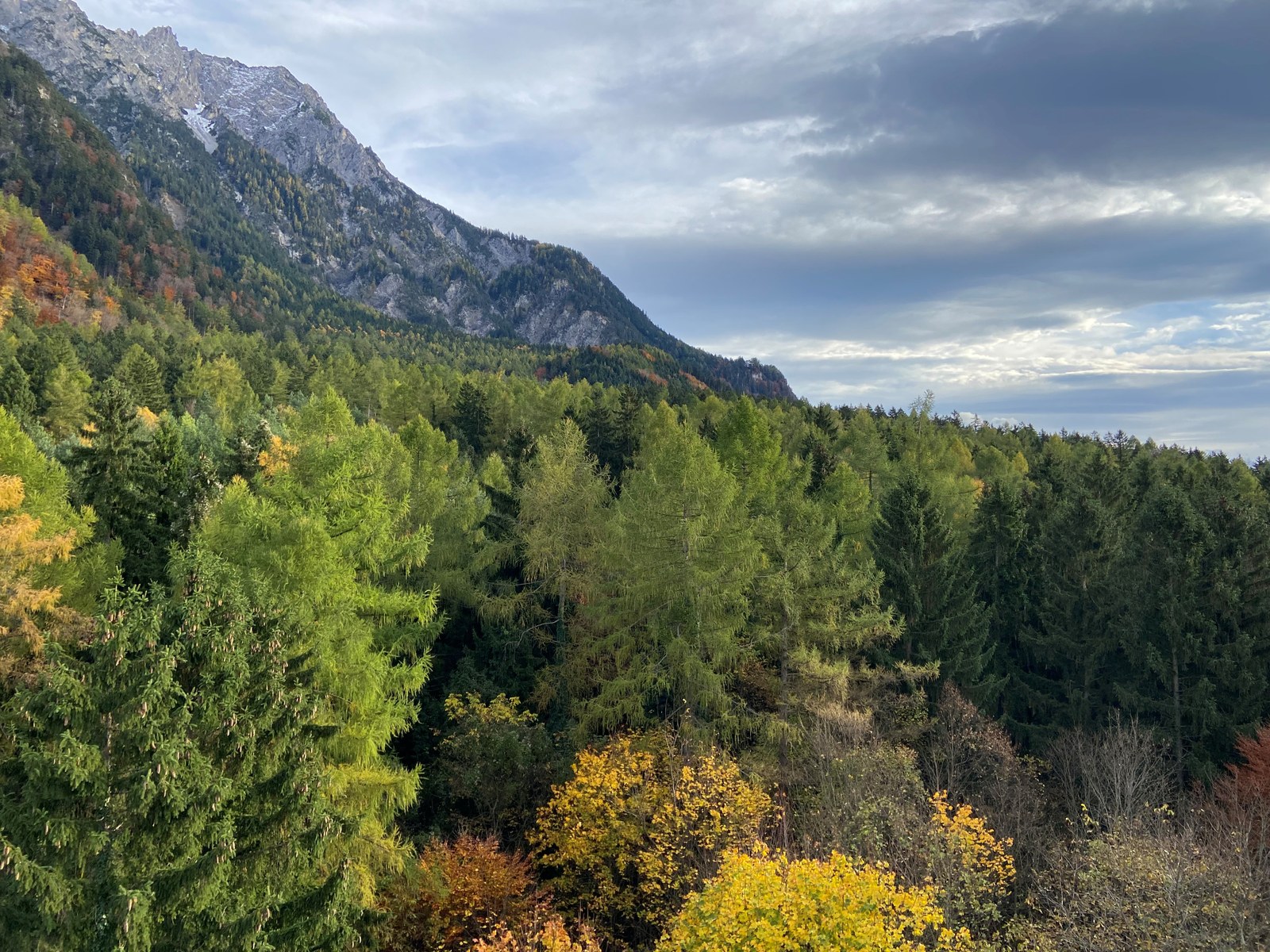
Act now to protect forests: sign the #HandsOffNature petition!
More than 40 percent of the Alpine region is covered by forests. They are not only a defining feature of the landscape, but also a cornerstone of Alpine livelihood, providing building materials, supporting biodiversity, and delivering essential ecosystem services.

Who is CIPRA?
Find out more!
More articles
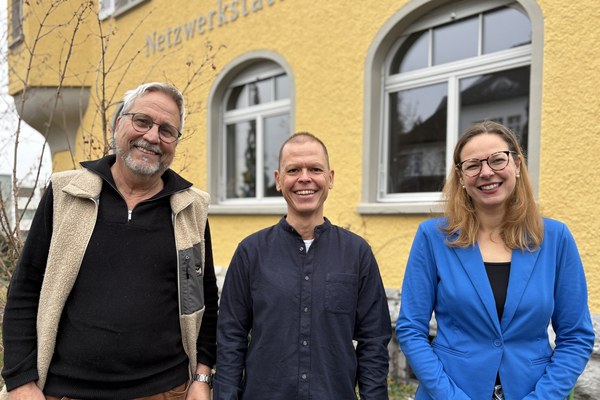
Caroline Begle and Michael Gams, CIPRA International
Generational change at CIPRA International
After seven eventful years at the helm of CIPRA International, Kaspar Schuler is taking well-deserved retirement. His former deputy, Jakob Dietachmair, takes over as Executive Director, while Magdalena Holzer becomes the new Deputy Director. There are also changes at CIPRA Austria: Paul Kuncio is moving to CIPRA International as Policy Officer.
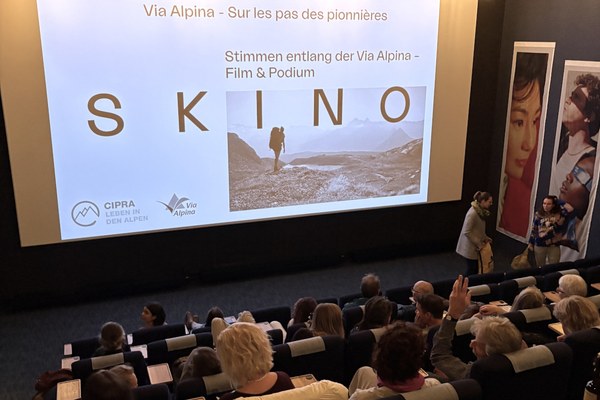
Michael Gams, CIPRA International
Challenges and opportunities of long-distance hiking
What role does long-distance hiking play and how has it changed over the years? On 11 December 2025, International Mountain Day, CIPRA explored these questions with a panel discussion and film screening in Liechtenstein.
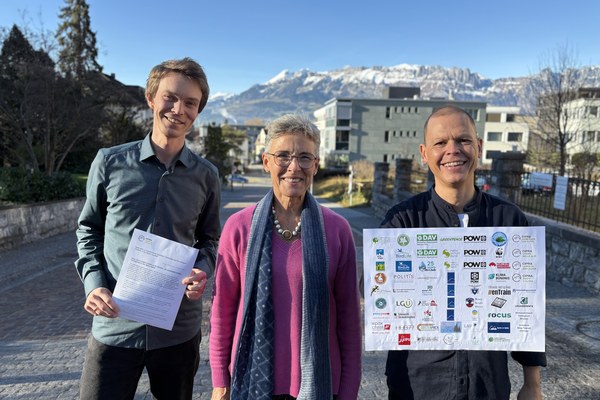
Sofie Terzer, CIPRA International
Open letter: Protecting the Alps from excessive transit traffic
The Alpine region is under increasing pressure from the climate crisis, air pollution and ever-growing traffic volumes: 67 organisations, led by CIPRA International, have therefore sent an open letter to EU Commissioner Apostolos Tzitzikostas and the transport ministers of the Alpine countries.
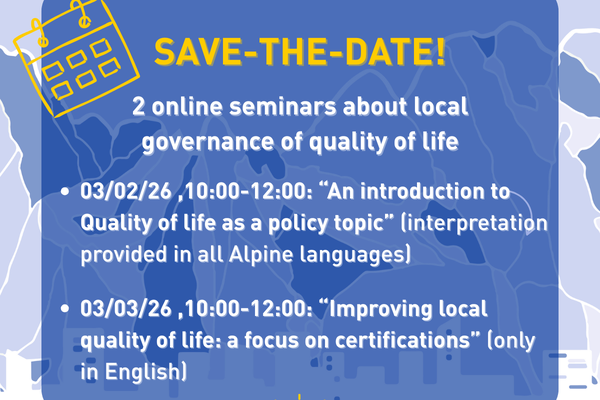
To learn more about local governance & quality of life in the Alps, to simply take part in the discussion, or to share your community's example ... Join us!
The Interreg Alpine Space project GOVQoL - Empowering local governance of Alpine communities for a better quality of life is pleased to invite you to a series of online seminars we will be organising in February and March 2026!
Events
|
Youth Parliament to the Alpine Convention: Climate Resilient Development | ||
|
The Better-Cities Event | Ljubljana | |
|
Local Peaks, Global Learning | online | |
|
Transhumance as Intangible Cultural Heritage of Humanity: A Way Forward? | MUCEM, Marseille/France | |
|
Growing alternative crops for new market opportunities in a changing climate | Vienna/Austria |
Projects
CIPRA International
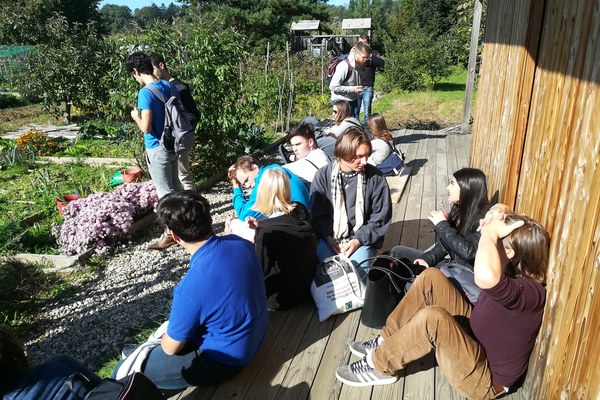
Alps2030
[Project completed] Climate change, increasing consumption of resources and waste problems threaten nature and society in the Alps. With their 17 Sustainable Development Goals (SDGs), almost all countries worldwide have set themselves the target of making global development socially, ecologically and economically sustainable by 2030.
CIPRA International | CIPRA Youth Council
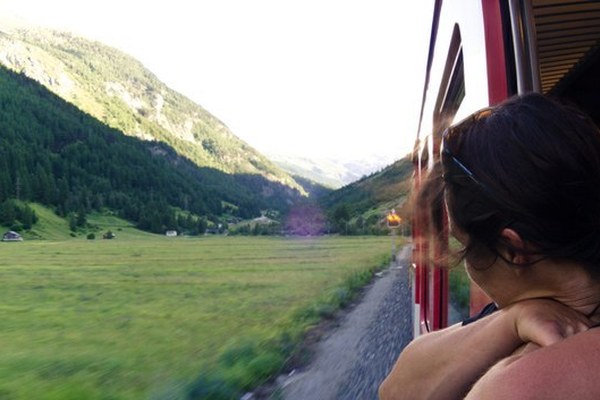
AlpTick
Having one ticket for all public transportation in the entire Alpine region – this is our vision. The Alpine Ticket (AlpTick) makes travelling in the Alps easier, more sustainable and more attractive for young people. It is an idea developed by the CIPRA Youth Council (CYC) based on its members’ experiences of travelling on public transport in the Alps.
CIPRA International | CIPRA Slovenija | CIPRA Deutschland | CIPRA Italia | CIPRA Schweiz | CIPRA France | CIPRA Youth Council
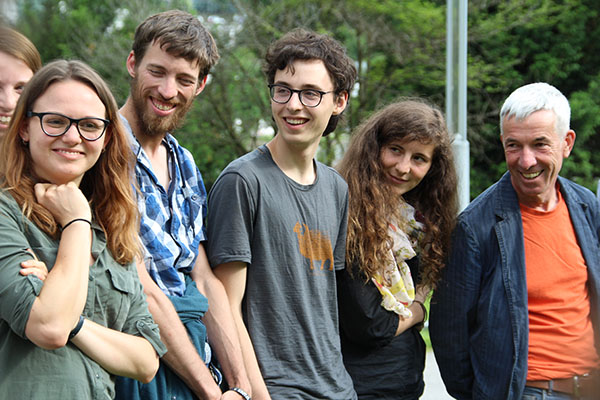
Re.sources
[Project completed] Water, soil, bees, ideas, motivation, time: the Alps contain a wide range of resources. A large part of the natural capital is under threat, while the social potential for more sustainable solutions still slumbers in many places. What are my resources and what are yours? Which ones are in danger and which ones are our lives dependent on? What resources does it take to make a change towards sustainable development in the Alps?