
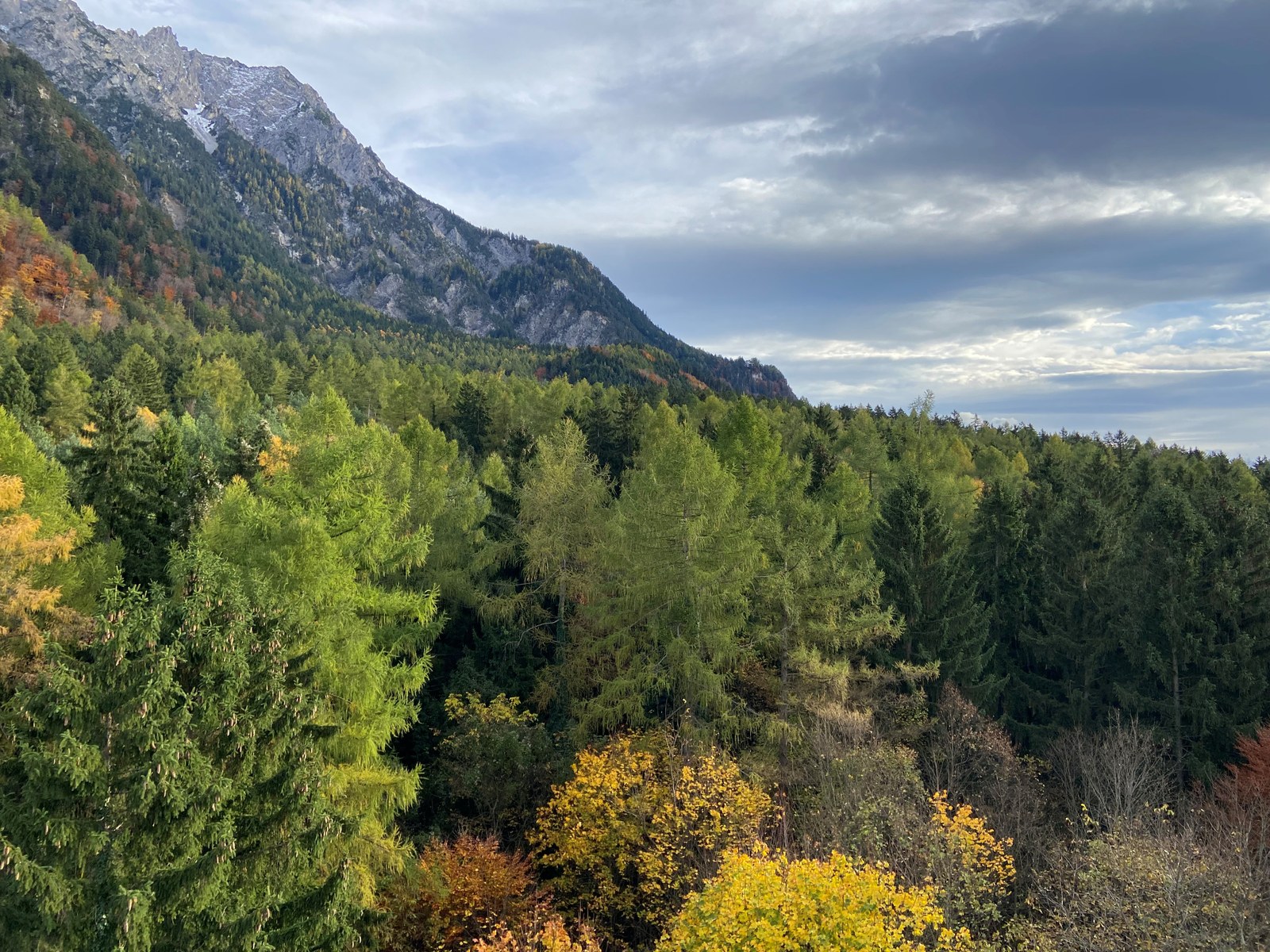
Act now to protect forests: sign the #HandsOffNature petition!
More than 40 percent of the Alpine region is covered by forests. They are not only a defining feature of the landscape, but also a cornerstone of Alpine livelihood, providing building materials, supporting biodiversity, and delivering essential ecosystem services.

Who is CIPRA?
Find out more!
More articles
Michael Gams, CIPRA International
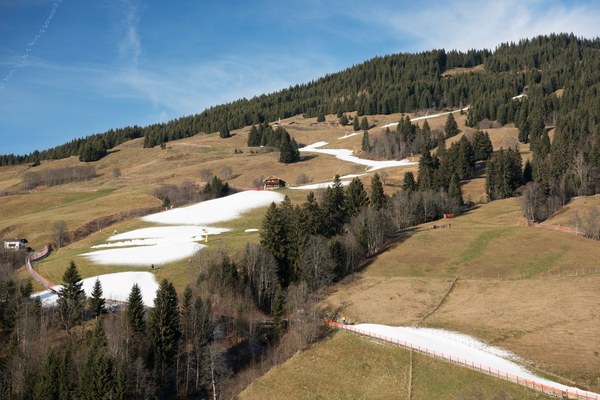
Winter sports reach a tipping point
Hydrologist Carmen de Jong warns of the ecological consequences of Alpine ski tourism. Her research shows that, without a rethink, the industry is heading for its demise.
Caroline Begle, CIPRA International
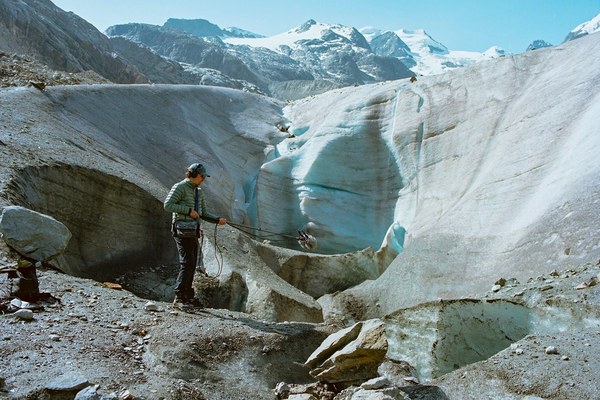
The sound collector
Equipped with a microphone and a keen ear, Ludwig Berger explores the sounds of landscapes. This sound artist makes the climate crisis audible and opens up fascinating impressions, entering hidden sound worlds of the living and the transient.
Hanna Öllös, CIPRA International Lab
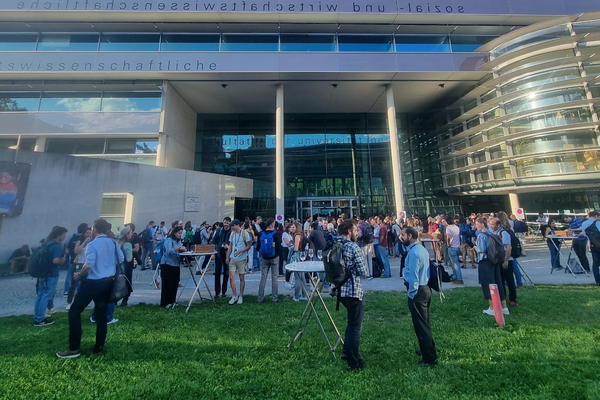
Making biodiversity visible
Mountains and sustainability: in mid-September, researchers from around the world gathered in Innsbruck for the International Mountain Conference (IMC). CIPRA Lab presented its AlpsLife biodiversity project to the conference.
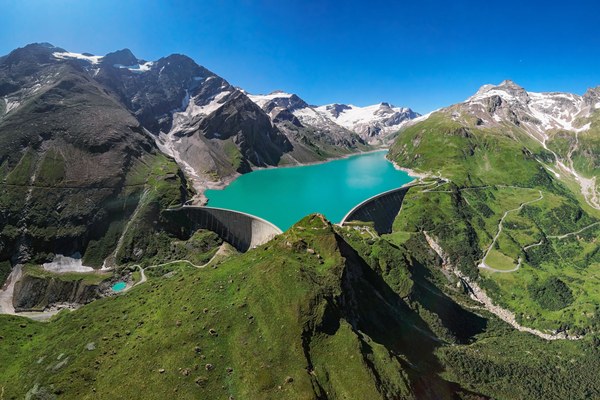
Michael Gams, CIPRA International
Renewable energies: Alpine Convention becomes decisive
The EU wishes to accelerate the expansion of renewable energies. In the Alps, however, this must not come at the expense of sensitive natural areas. CIPRA International has now achieved two important clarifications through legal action: as a treaty under international law, the Alpine Convention takes precedence over secondary European Union law – that is, EU regulations and EU directives; consequently, its provisions must also be complied with when implementing the Renewable Energy Directive (RED III).
Events
|
Symposium 2: Vernacular Buildings in the Anthropocene | Austrian Academy of Sciences, Vienna (Austria) |
Projects
CIPRA International
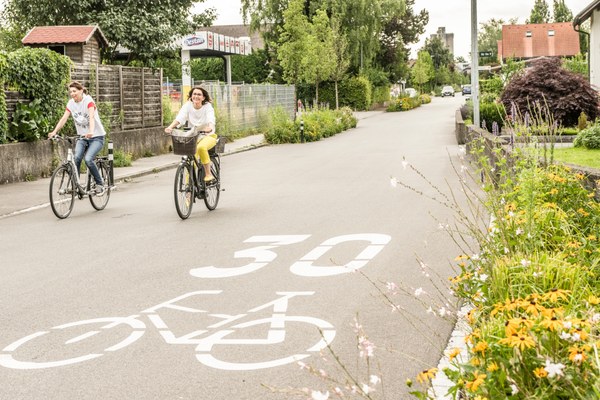
Climate-friendly streetscapes
Whether travelling by car, public transport, bicycle or on foot, roads and their immediate surroundings are probably the most important part of our daily journeys. Against the backdrop of the climate crisis, they can become a problem because they increase the heat island effect and seal the ground. The project, based in the Alpine Rhine Valley, aims to make road spaces fair, climate-friendly and health-promoting.
CIPRA International
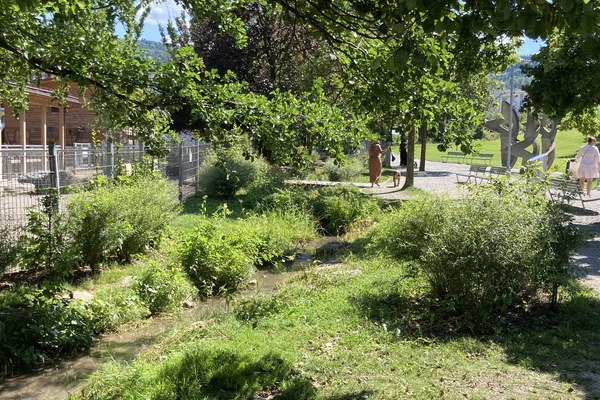
Nature-based solutions and their governance structures in the Alpine region
In view of the global challenges of climate change and biodiversity loss, the use of nature-based solutions (NbS) is becoming increasingly important. On behalf of the German Federal Environment Agency, ifuplan (lead) and CIPRA International are preparing a report on “Nature-based solutions and governance structures in the Alpine region”. The aim of the report is to analyse the potential of various NbS in the Alpine region and the governance mechanisms behind them that ensure their success. Based on this, their transferability to other Alpine regions will be analysed and recommendations for action formulated.
CIPRA International
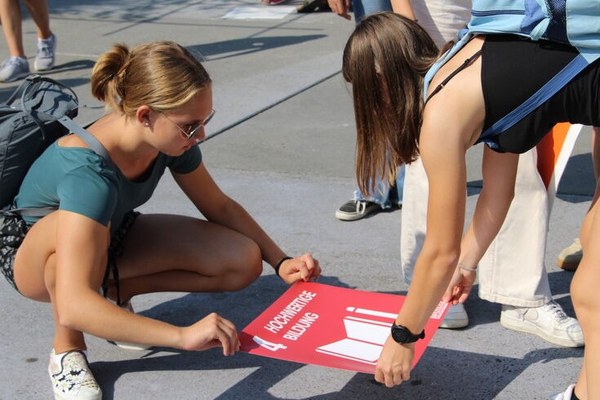
Ars vivendi
[Project completed] How can the Sustainable Development Goals (SDGs) be learned and taught? In the project «ars vivendi» a didactic tool for the Global Agenda 2030 is being developed.