
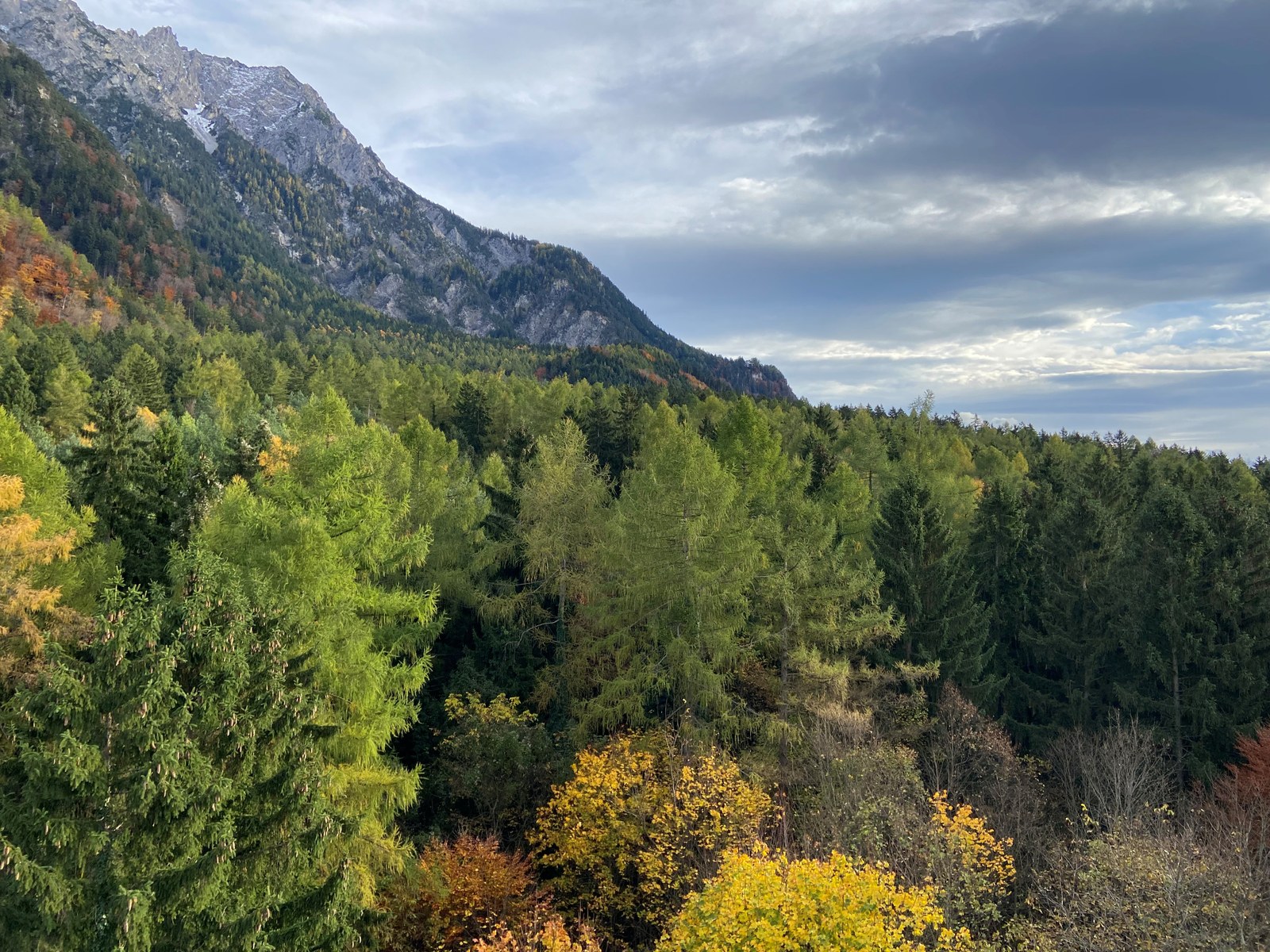
Act now to protect forests: sign the #HandsOffNature petition!
More than 40 percent of the Alpine region is covered by forests. They are not only a defining feature of the landscape, but also a cornerstone of Alpine livelihood, providing building materials, supporting biodiversity, and delivering essential ecosystem services.

Who is CIPRA?
Find out more!
More articles
Michael Gams, CIPRA International
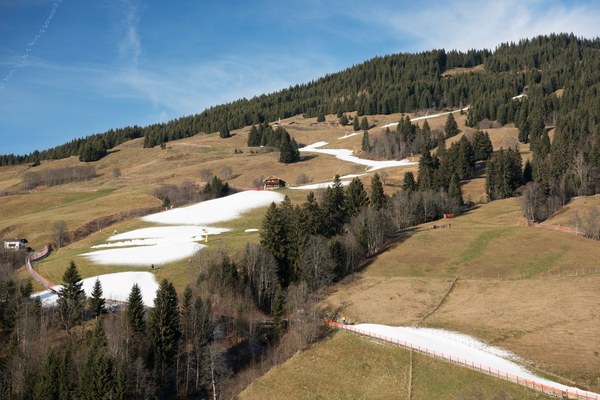
Winter sports reach a tipping point
Hydrologist Carmen de Jong warns of the ecological consequences of Alpine ski tourism. Her research shows that, without a rethink, the industry is heading for its demise.
Caroline Begle, CIPRA International
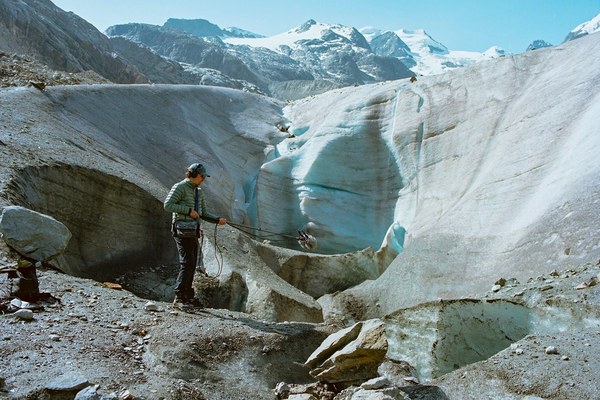
The sound collector
Equipped with a microphone and a keen ear, Ludwig Berger explores the sounds of landscapes. This sound artist makes the climate crisis audible and opens up fascinating impressions, entering hidden sound worlds of the living and the transient.
Hanna Öllös, CIPRA International Lab
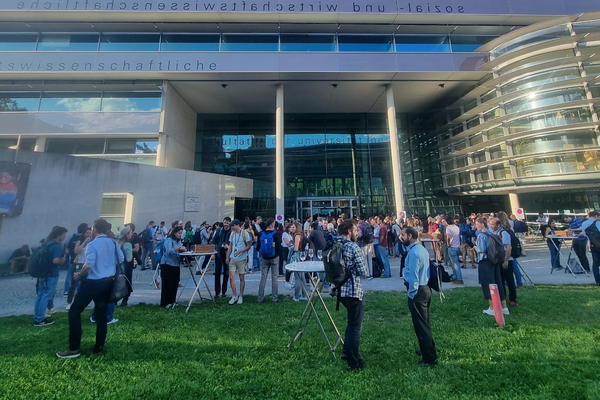
Making biodiversity visible
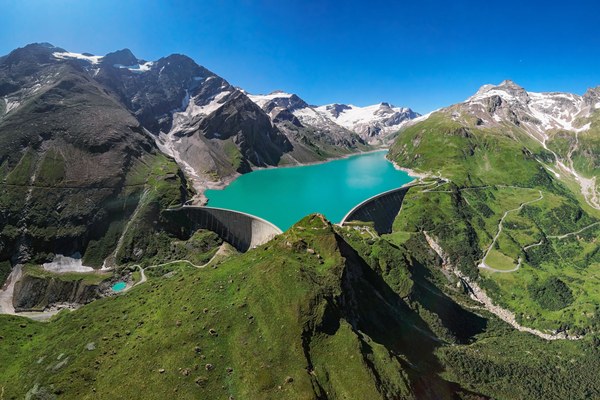
Mountains and sustainability: in mid-September, researchers from around the world gathered in Innsbruck for the International Mountain Conference (IMC). CIPRA Lab presented its AlpsLife biodiversity project to the conference.
Michael Gams, CIPRA International
Renewable energies: Alpine Convention becomes decisive
The EU wishes to accelerate the expansion of renewable energies. In the Alps, however, this must not come at the expense of sensitive natural areas. CIPRA International has now achieved two important clarifications through legal action: as a treaty under international law, the Alpine Convention takes precedence over secondary European Union law – that is, EU regulations and EU directives; consequently, its provisions must also be complied with when implementing the Renewable Energy Directive (RED III).
Events
|
Symposium 2: Vernacular Buildings in the Anthropocene | Austrian Academy of Sciences, Vienna (Austria) |
Projects
CIPRA Deutschland | CIPRA France
DINAMO
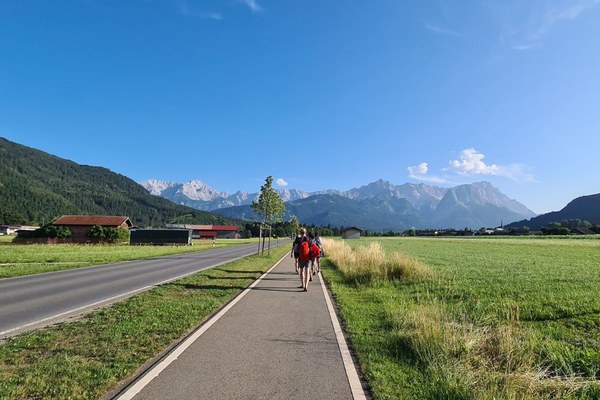
[Project competed] In many rural areas of the Alps, public transport services are inadequate for daily needs and tourism development. In some remote mountain regions, this is one of the reasons why there is a considerable amount of car traffic, especially on weekends, public holidays and during rush hours. There are various reasons for this, including the high cost of public transport solutions due to low population density, inadequate public transport options (such as timetables, accessibility, connectivity, travel time and costs) and political and social preferences in favour of private motorised transport.

CIPRA International Lab
LISTEN
The LISTEN project is analysing the use of space in suburbs on the basis of three pilot regions in Belgium, Sweden and Austria. CIPRA Lab GmbH is working together with partners from research and regional stakeholders.
CIPRA International Lab
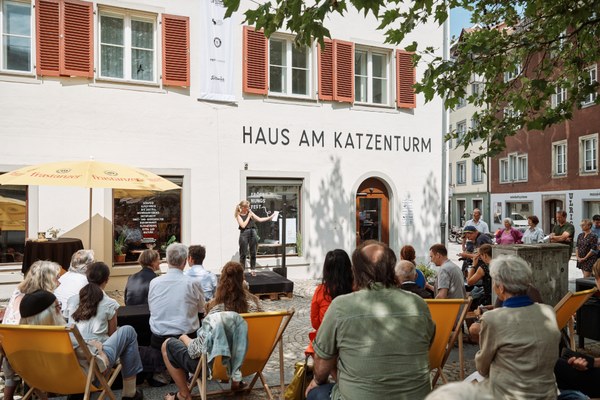
Haus am Katzenturm Association
[Project completed] Along with the association of the same name in Feldkirch/A, the “Haus am Katzenturm” networks NGOs from the environmental and nature conservation sector in the Lake Constance region and makes their topics accessible to a broad public.