
Act now to protect forests: sign the #HandsOffNature petition!
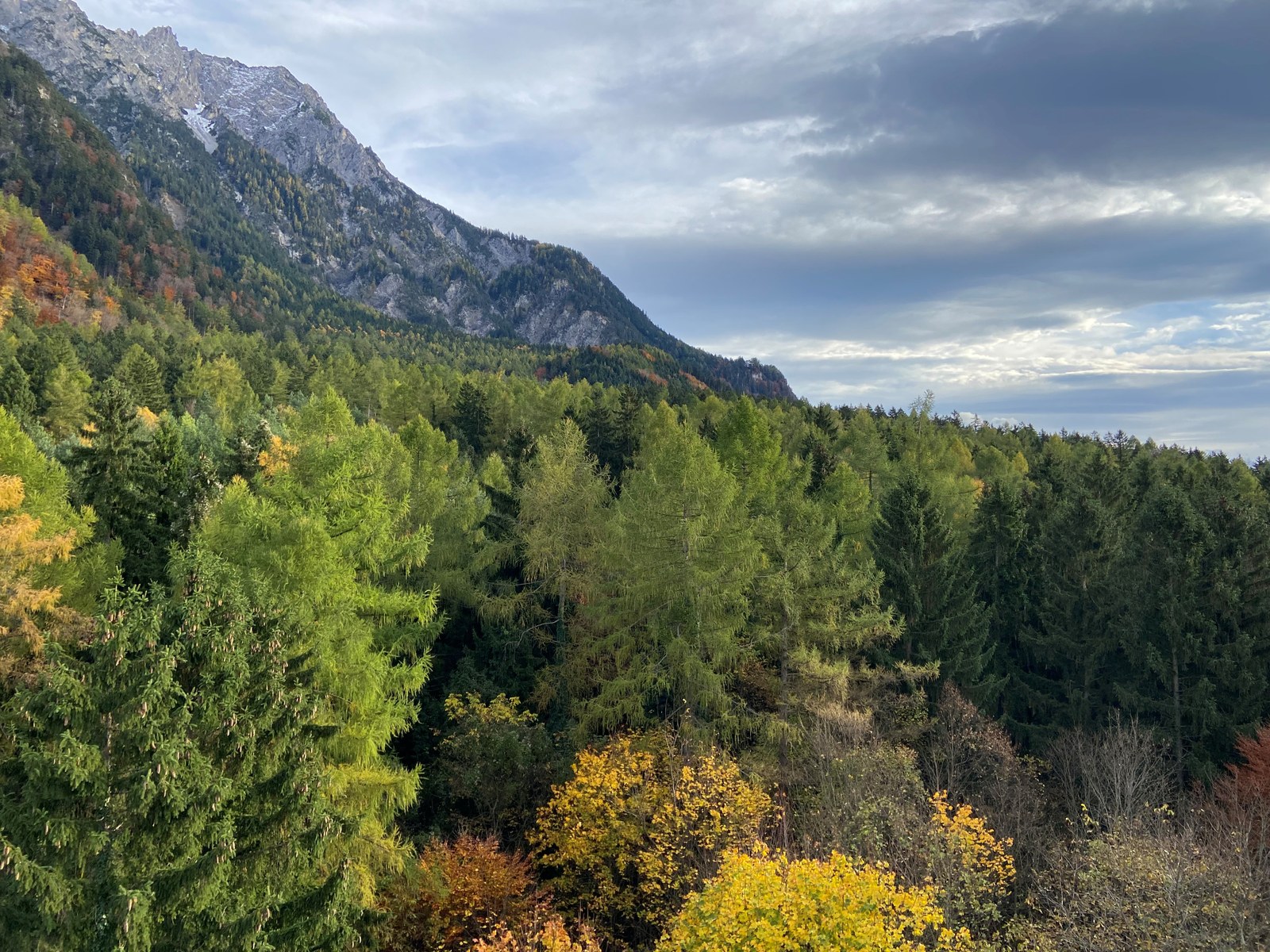
More than 40 percent of the Alpine region is covered by forests. They are not only a defining feature of the landscape, but also a cornerstone of Alpine livelihood, providing building materials, supporting biodiversity, and delivering essential ecosystem services.

Who is CIPRA?
Find out more!
More articles
Serena Rauzi | Povo (TN), IT
Fen felling
It‘s 7 am in early summer. A clack, clack sound drifts through the veil of mist hanging over the Ödmoos area of Bavaria. Work is already in full swing. You need to start early, as it gets very hot during the day. Stefan raises his axe and starts to hack away at the clumps of bushes. The 23-year-old is studying forestry science and works as a volunteer restoring the area‘s natural habitat. He has always had a keen interest in fens and bogs as diverse habitats, ever since he was a boy. And now he also knows that they make a valuable contribution to climate protection.
Claire Simon | CIPRA International | Schaan, LI
The chestnut forest plays host to a rare guest: Alliance in the Alps network of municipalities
The little bat somehow looked different. Filigree in form, brownish in colour, and with a ringed wing it huddled in the corner of the nesting box on the chestnut tree. Nicola Zambelli put on his gloves and pulled gently on the wing tip to examine the ring.
Anita Wyss | Bern, CH
Discovering common ground
Liechtenstein is a small country, so you’re always bumping into people. And although everybody sort of knows everybody else, they don’t really. Energy-efficient construction is a bit like that. Or rather, it was until October 2009. It was then that CIPRA, which is better known for using its climalp project (see box) to circulate know-how on energy-efficient construction and renovation throughout the Alps, brought its own people together for a change.
Serena Rauzi | Povo (TN), IT
“Bolzano, the energy source”
ASSOCIATION “Alpine Town of the Year” - Bolzano’s municipal councillor Helmuth Moroder explains how the “2009 Alpine Town of the Year” intends to achieve ITS aim OF BEING carbon-neutral by 2030.
Events
|
Local Peaks, Global Learning | online | |
|
Transhumance as Intangible Cultural Heritage of Humanity: A Way Forward? | MUCEM, Marseille/France | |
|
Growing alternative crops for new market opportunities in a changing climate | Vienna/Austria | |
|
Trento Film Festival | Santa Croce street, 67; I-38122 Trento | |
|
ForumAlpinum 2026 | Aosta |
Projects
H2Opportunities
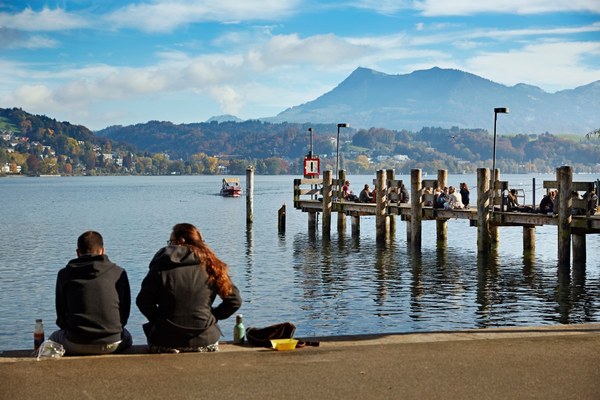
Water is one of our most precious resources and is under serious threat from the climate crisis. The project “H2Opportunities – Opening dialogues on a sustainable Alpine water future” shares knowledge and encourages discussion about fair water management.
CIPRA International | CIPRA Italia | CIPRA Slovenija
Young Glacier Voices
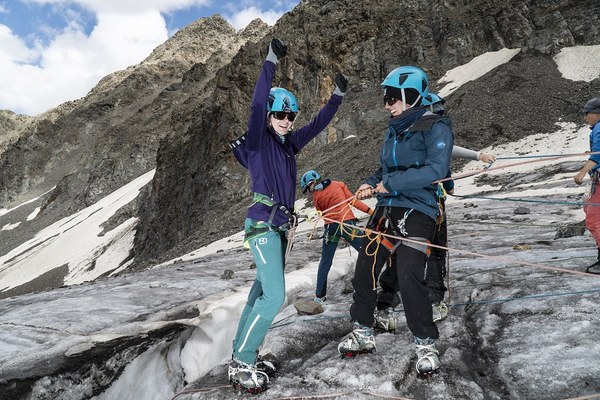
The glaciers in the Alps are melting at an ever-increasing rate. The Erasmus+ project “Young Glacier Voices” is making the consequences of the climate crisis tangible and encouraging young people to use their voices to call for more climate protection.
CIPRA International
MultiBios
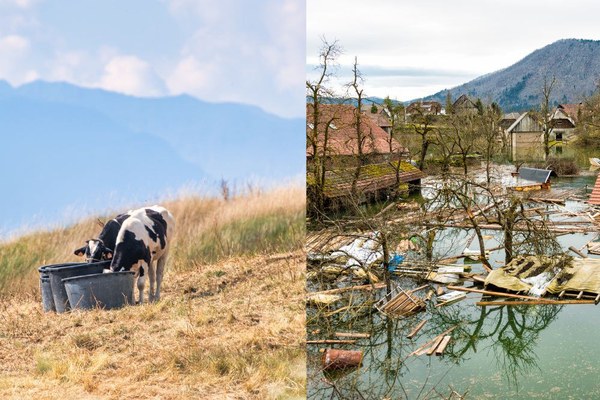
[Project completed] In addition to well-known natural hazards such as mudslides and floods, heatwaves and droughts are increasingly affecting the Alpine region. The international project MultiBios is working together with biosphere parks to explore how affected communities and regions can better prepare for multiple climate risks.