
Act now to protect forests: sign the #HandsOffNature petition!
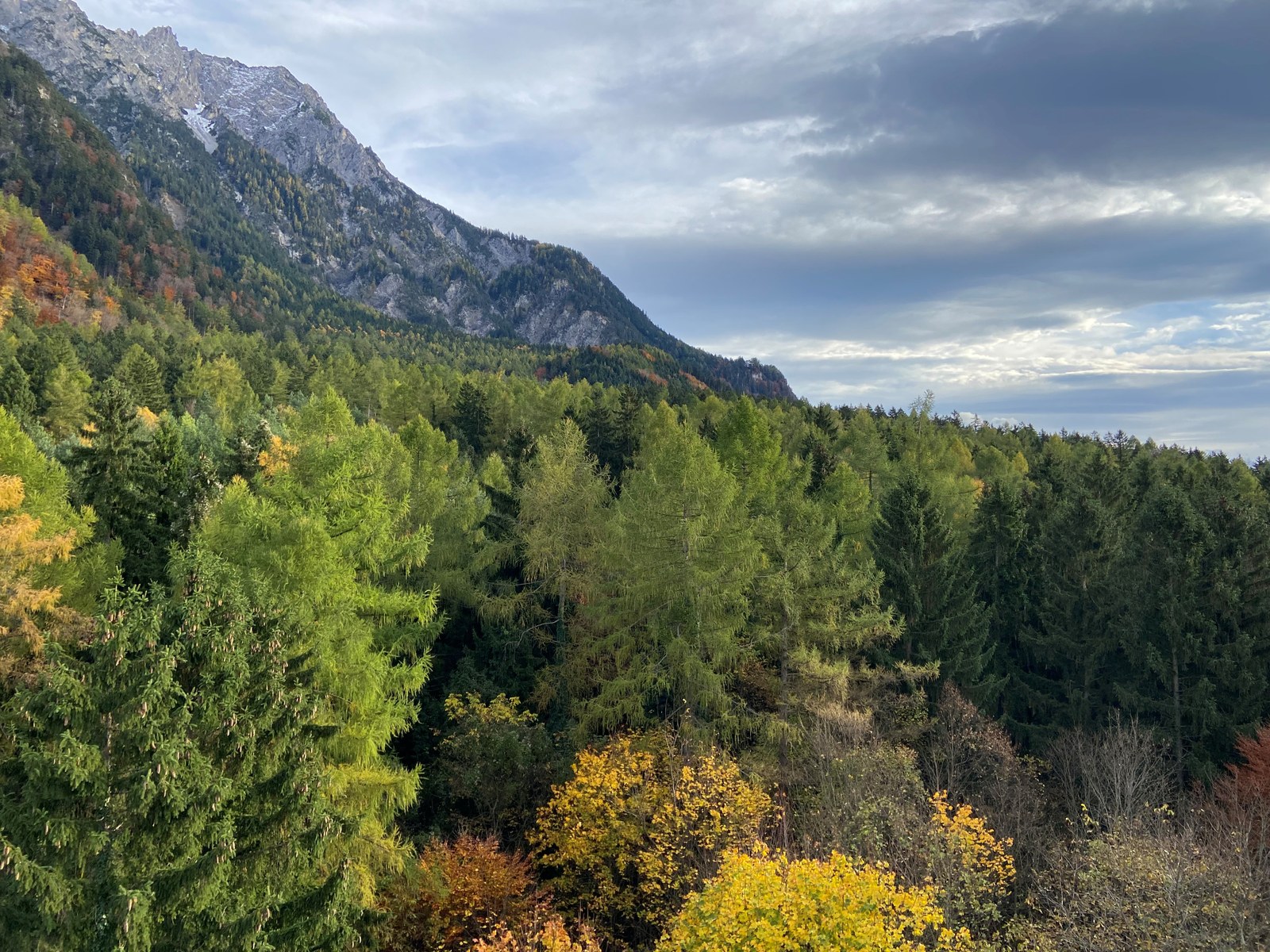
More than 40 percent of the Alpine region is covered by forests. They are not only a defining feature of the landscape, but also a cornerstone of Alpine livelihood, providing building materials, supporting biodiversity, and delivering essential ecosystem services.

Who is CIPRA?
Find out more!
More articles
CIPRA Internationale Alpenschutzkommission | Schaan, LI
Rhaetian Triangle: new online tools and support for local initiatives
The Swiss National Park (SNP) is currently developing a web based tool to analyze barriers and corridors of the large pilot region Rhaetian Triangle. Furthermore, two local initiatives are concretely acting for the restoration of ecological connectivity. The new map application will allow comparing a freely defined area with other areas in the neighbourhood and identifying the fields with high need of action according to selected indices.
CIPRA Internationale Alpenschutzkommission | Schaan, LI
Alpi Marittime: Ecological corridors preventing car accidents
In the Italian Alpi Marittime Natural Park car crashes which involve ungulates are very common. In most cases those accidents, besides being hazardous for drivers' life, could have been avoided with a better territorial planning, a more careful infrastructure planning and a warier use of existing technologies. The Alpi Marittime natural park will make use of the new ways to help the passage for animals across busy roads, which have been tested in the Pilot region of Isère.
CIPRA Internationale Alpenschutzkommission | Schaan, LI
Northern Limestone Alps: Involving local population
In the three provinces of Upper and Lower Austria and Styria interviews with 170 stakeholders were held. People were asked about their knowledge, experience and ideas concerning the connectivity of habitats and possible barriers by using a questionnaire. These interviews aimed at receiving an overview of opinions on this theme as well as information on planned or ongoing projects dealing with ecological connectivity in the region.
Isère Department: Tearing down the barriers
The French Isère Pilot Region is very active in the field of ecological connectivity. Besides ECONNECT, since February 2009 the region is engaged in another EU Project named "Paths of life". This project will last six years and has a budget of nine million Euro.
Events
|
Local Peaks, Global Learning | online | |
|
Transhumance as Intangible Cultural Heritage of Humanity: A Way Forward? | MUCEM, Marseille/France | |
|
Growing alternative crops for new market opportunities in a changing climate | Vienna/Austria | |
|
Trento Film Festival | Santa Croce street, 67; I-38122 Trento | |
|
ForumAlpinum 2026 | Aosta |
Projects
H2Opportunities
Water is one of our most precious resources and is under serious threat from the climate crisis. The project “H2Opportunities – Opening dialogues on a sustainable Alpine water future” shares knowledge and encourages discussion about fair water management.
CIPRA International | CIPRA Italia | CIPRA Slovenija
Young Glacier Voices
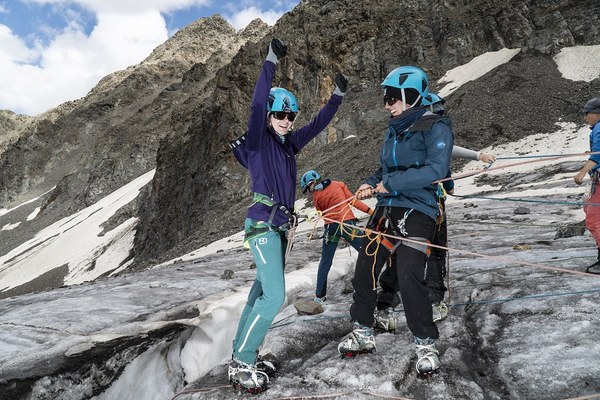
The glaciers in the Alps are melting at an ever-increasing rate. The Erasmus+ project “Young Glacier Voices” is making the consequences of the climate crisis tangible and encouraging young people to use their voices to call for more climate protection.
CIPRA International
MultiBios
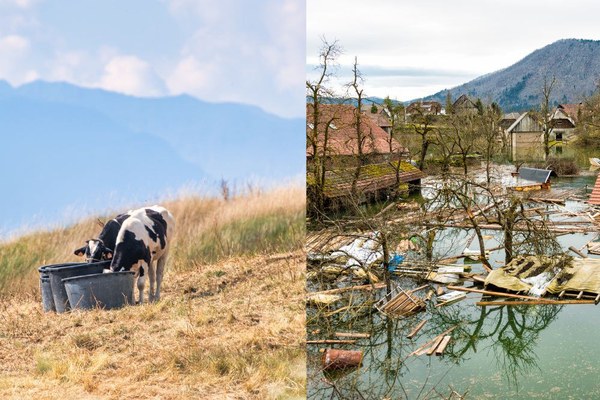
[Project completed] In addition to well-known natural hazards such as mudslides and floods, heatwaves and droughts are increasingly affecting the Alpine region. The international project MultiBios is working together with biosphere parks to explore how affected communities and regions can better prepare for multiple climate risks.