Act now to protect forests: sign the #HandsOffNature petition!

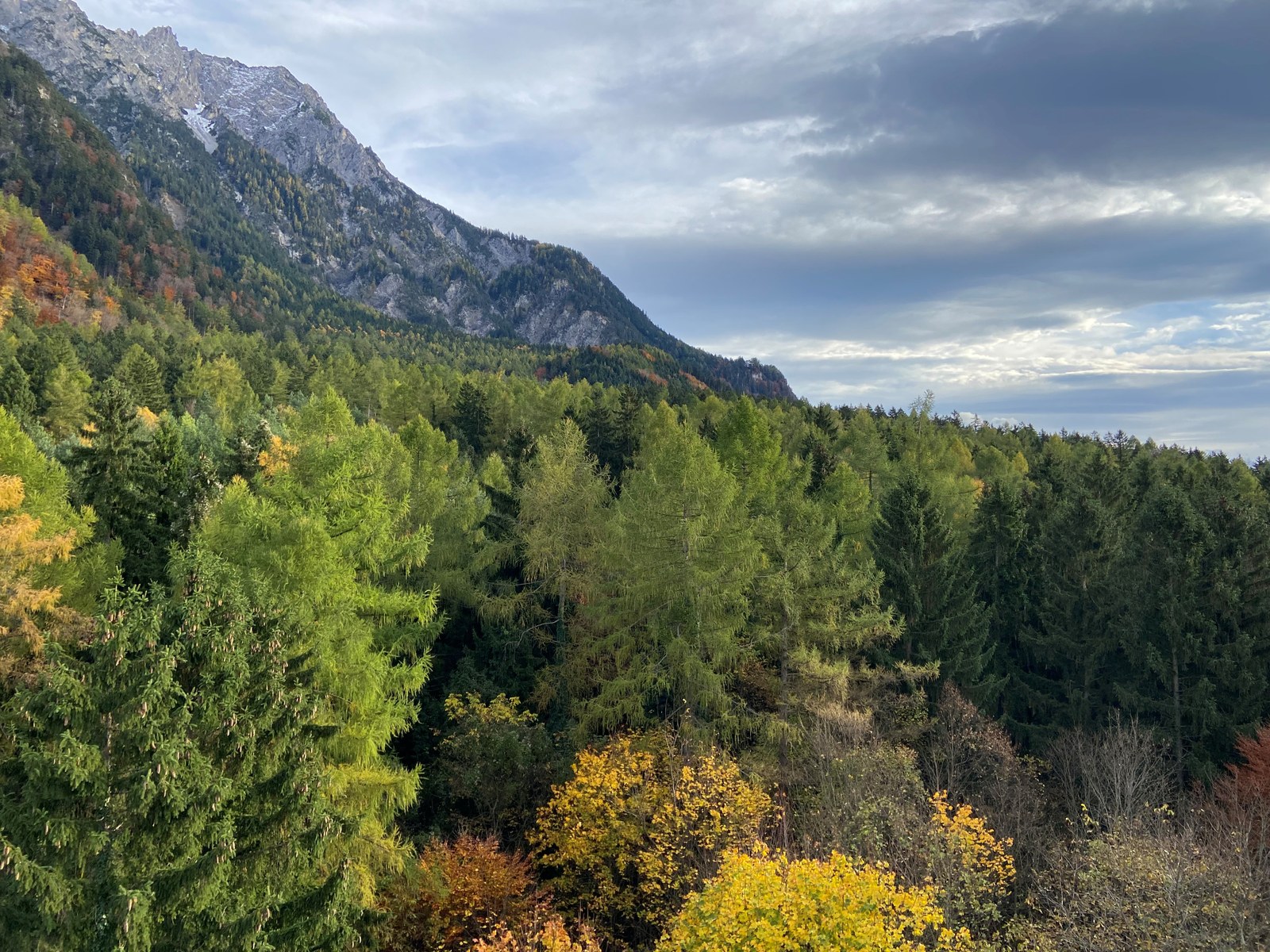
More than 40 percent of the Alpine region is covered by forests. They are not only a defining feature of the landscape, but also a cornerstone of Alpine livelihood, providing building materials, supporting biodiversity, and delivering essential ecosystem services.

CIPRA International

Do you want to know more about CIPRA International? Click here!

More articles

Challenges and opportunities of long-distance hiking
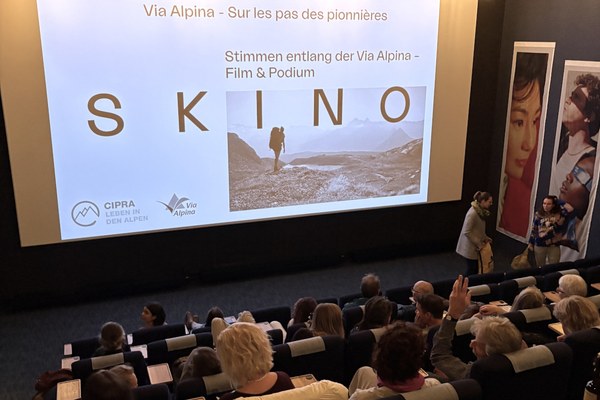
What role does long-distance hiking play and how has it changed over the years? On 11 December 2025, International Mountain Day, CIPRA explored these questions with a panel discussion and film screening in Liechtenstein.
Open letter: Protecting the Alps from excessive transit traffic
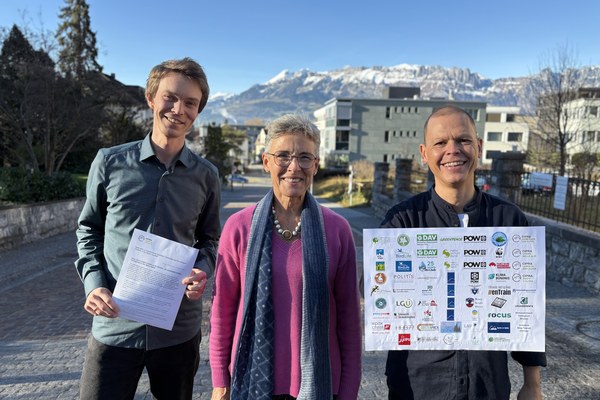
The Alpine region is under increasing pressure from the climate crisis, air pollution and ever-growing traffic volumes: 67 organisations, led by CIPRA International, have therefore sent an open letter to EU Commissioner Apostolos Tzitzikostas and the transport ministers of the Alpine countries.
H2Opportunities: Working together for a sustainable future for Alpine water
Water is one of our most precious resources – and it is increasingly threatened by the climate crisis. The new CIPRA project “H2Opportunities” aims to share knowledge and initiate a dialogue on fair water management in the Alps.
Podcast series: People talk about the Via Alpina
A Belgian trail runner, a French filmmaker, a Swiss researcher and a mountain hut warden from Piedmont: a multilingual podcast series gives a voice to different people along the Via Alpina.

Events

  • 2026-03-23T00:00:00+01:00
  • 2026-03-27T23:59:59+01:00
Mar 23, 2026 - Mar 27, 2026
Youth Parliament to the Alpine Convention: Climate Resilient Development
  • 2026-03-24T00:00:00+01:00
  • 2026-03-27T23:59:59+01:00
  • Ljubljana
Mar 24, 2026 - Mar 27, 2026
The Better-Cities Event Ljubljana
  • 2026-04-07T00:00:00+02:00
  • 2026-04-17T23:59:59+02:00
  • online
Apr 07, 2026 - Apr 17, 2026
Local Peaks, Global Learning online
  • 2026-04-21T00:00:00+02:00
  • 2026-04-23T23:59:59+02:00
  • MUCEM, Marseille/France
Apr 21, 2026 - Apr 23, 2026
Transhumance as Intangible Cultural Heritage of Humanity: A Way Forward? MUCEM, Marseille/France
  • 2026-04-22T00:00:00+02:00
  • 2026-04-23T23:59:59+02:00
  • Vienna/Austria
Apr 22, 2026 - Apr 23, 2026
Growing alternative crops for new market opportunities in a changing climate Vienna/Austria

Projects & activities

AlpES
AlpES
[Project completed] Ecosystems and their services go beyond national borders and need a transnational approach for their dynamic protection, sustainable use, management and risk prevention. As a basis for joint action, public authorities, policy makers, NGOs, researchers and economic actors – the AlpES target groups – need a common understanding of ecosystem services, comparable information on their status and support in using appropriate tools for integrating them in their fields of work.

SPARE – Alpine rivers as society’s lifelines
[Project completed] What is the state of the Alpine rivers? How can we bring those responsible and other interested parties to committing themselves to holistic river management? The SPARE project strives to answer these and other questions.
I-LivAlps
I-LivAlps
[Project completed] Youth participation as tool to fight the demographical change threatening the Alps - this was the topic of the project “I-LivAlps: LivingLabs with young people in the Alps”. The motor of the process were active, skilled, engaged young people, coordinatet by competent youth leaders and a stable and efficient international network able to foster local activities at the national level in order to anchor youth participation. 36 participants from 6 alpine countries, aged between 15 and 30 years, with different cultural and educational backgrounds were working together with national NGOs to get new skills to become proactive in their community.