Political positions of CIPRA

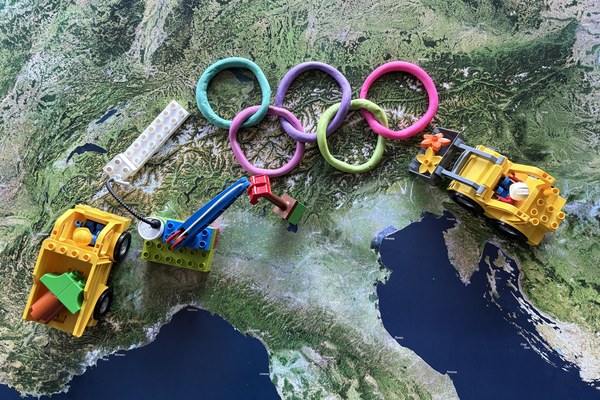
Winter Olympics: the Alps are more than just a playground
Major, global sports events have the power to fascinate and inspire. Winter sports hold a special place in the Alps, with their deep-rooted tradition and passionate following. We however believe that, as they currently stand, the Winter Olympic Games are neither environmentally nor socially acceptable. Despite promises of reform, recent developments such as the preparations for Milano-Cortina 2026 and the 2030 Games in France, as well as the “privileged candidacy” of Switzerland for the Winter Games 2038, all prove that the Olympic model remains unsustainable. In recent decades, referendums (e.g. in Innsbruck, Sion, Munich, Grisons) have several times demonstrated that large segments of the population are no longer willing to pay the price of the Winter Olympics.
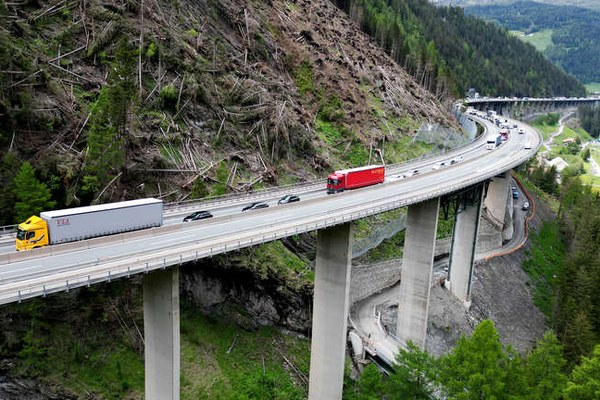
Open Letter: Protect the Alps from Excessive Transit Traffic
The Alpine region is under increasing pressure — from the climate crisis, air pollution, and ever-growing traffic volumes. Numerous organisations, led by CIPRA International, have therefore addressed an open letter to Commissioner Apostolos Tzitzikostas and the transport ministers of the Alpine countries.
Position: Transport and mobility in the Alps
In its new 40-page position paper, CIPRA outlines sustainable mobility in the Alpine region with the least possible negative impact of transport on the environment and people. In addition to travel, the paper also addresses commuter traffic, long-distance traffic and freight transport - supplemented with facts, concrete measures and good examples.

News on Alpine Politics

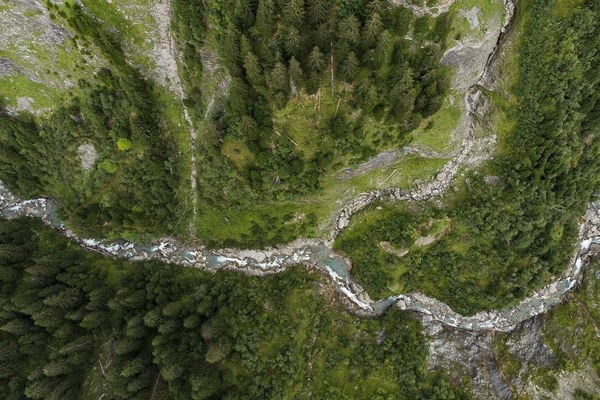
How much hydropower is ecologically sustainable ?
Renovate power plants instead of building new ones, preserve the last freshwater pearls, coordinate use and protection across countries: CIPRA has published a position paper with detailed technical demands on the use of hydropower in the Alps.
Point of view: Water will not tolerate resistance
Extreme weather conditions are also increasingly affecting the Alps. The climate crisis is driving this development. Can more and more dams, barriers or power stations solve the problem and at the same time satisfy the growing hunger for energy? We must work with the power of water rather than against it, says Kaspar Schuler, CIPRA’s Executive Director and co-author of CIPRA’s new position paper on hydropower.
Under the magnifying glass
What treasures and resources are hidden in the Alps? How do we deal with them as sustainably as possible? These and similar questions are posed in the August 2021 issue of SzeneAlpen.
Mobile in the Alps
Mobile in the Alps
By rail, by road, by mountain path: numerous CIPRA projects show just how diverse sustainable mobility can be.

Point of view of CIPRA

Point of view: Adaptation to climate change is inevitable
Despite progress in international climate policy, a rise in temperatures is inevitable. An adaptation now will save costs later, states Wolfgang Pfefferkorn, project manager for climate and energy at CIPRA International. Alpine regions are leading the way.

Point of view: A strategy for people in the Alps
The European strategy for the Alps is intended to create new relationships between Alpine regions and the surrounding areas. This however requires oversight to ensure the reconciliation of interests as well as sustainable development, says Andreas Pichler, director of CIPRA international.

Point of view: 25 years of the Alpine Convention are not enough
While we celebrate 25 years of the Alpine Convention, we still bemoan the slow pace of its implementation. For its objectives to be achieved, believes Katharina Conradin, President of CIPRA International, we have to repeatedly demand their realisation.