Political positions of CIPRA

Winter Olympics: the Alps are more than just a playground
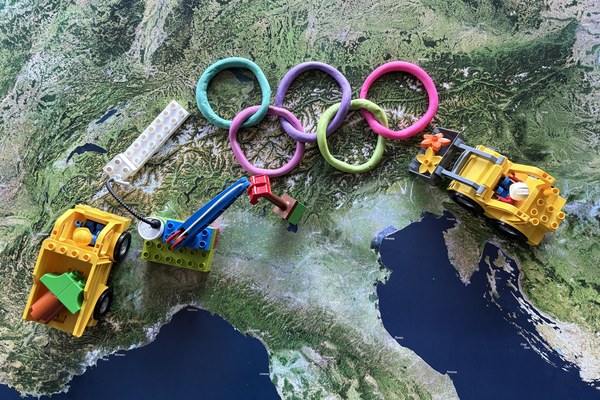
Major, global sports events have the power to fascinate and inspire. Winter sports hold a special place in the Alps, with their deep-rooted tradition and passionate following. We however believe that, as they currently stand, the Winter Olympic Games are neither environmentally nor socially acceptable. Despite promises of reform, recent developments such as the preparations for Milano-Cortina 2026 and the 2030 Games in France, as well as the “privileged candidacy” of Switzerland for the Winter Games 2038, all prove that the Olympic model remains unsustainable. In recent decades, referendums (e.g. in Innsbruck, Sion, Munich, Grisons) have several times demonstrated that large segments of the population are no longer willing to pay the price of the Winter Olympics.
Open Letter: Protect the Alps from Excessive Transit Traffic
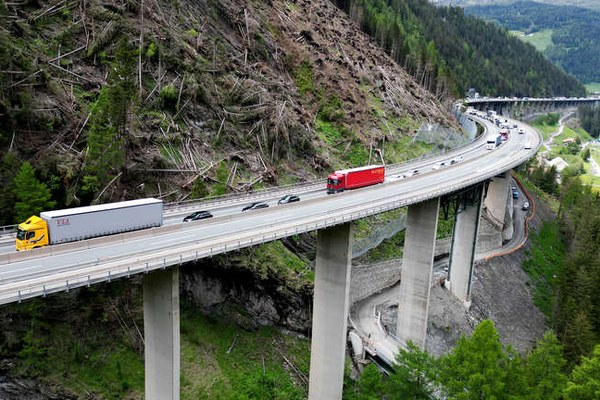
The Alpine region is under increasing pressure — from the climate crisis, air pollution, and ever-growing traffic volumes. Numerous organisations, led by CIPRA International, have therefore addressed an open letter to Commissioner Apostolos Tzitzikostas and the transport ministers of the Alpine countries.
Position: Transport and mobility in the Alps
In its new 40-page position paper, CIPRA outlines sustainable mobility in the Alpine region with the least possible negative impact of transport on the environment and people. In addition to travel, the paper also addresses commuter traffic, long-distance traffic and freight transport - supplemented with facts, concrete measures and good examples.

News on Alpine Politics

What now for the Alpine strategy?
Since January, the Austrian federal state of Tyrol has been chairing the European strategy for the Alps. This year will see a decision on how the strategy will be implemented in practice.
The Alps as the focus of climate policy
Temperatures in the Alps are rising faster than the global average. The search for solutions is not limited to the World Climate Conference being held in Bonn, Germany.
Going further, together
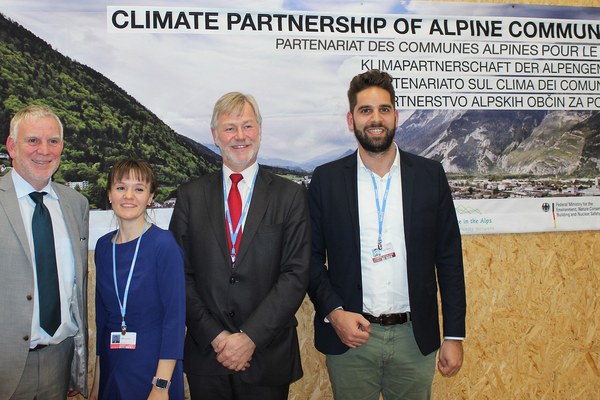
There is an African saying that goes: “If you want to go quickly, go alone. If you want to go far, go with others.” And the trail to sustainable development in the Alps and to preserving the alpine natural environment, its habitat and its economic area is a very long one indeed. It is one the Alliance in the Alps network of municipalities and CIPRA International have been trekking along together since 1997.
Give youth a voice! How youth participation can be encouraged in the Alpine space
How can young people become more involved in political processes? What good examples already exist for this? These questions were the central issues at a workshop held in the context of the GaYA project in Bozen/Bolzano.

Point of view of CIPRA

Point of view: He who sows infrastructure, reaps more traffic
At the end of February 2016 Swiss voters will decide on the building of a second road tunnel at the Gotthard Pass. The CHF 4 billion project will torpedo Switzerland’s modal shift policy, believes Barbara Wülser, CIPRA International’s communications manager.
Point of view: Change begins in the heart
Claire Simon, Executive Director of CIPRA International, used the occasion of the 2015 CIPRA annual conference to call for more engagement with people and their ways of thinking in order to strengthen the natural and cultural diversity of the Alps.
Point of view: Making the Alpine Convention more interactive
The effectiveness of the Alpine Convention is often called into question. A new approach could help reposition it as an engine of co-operation and sustainable development in the Alpine regions, says Claire Simon, Executive Director of CIPRA International.