Political positions of CIPRA

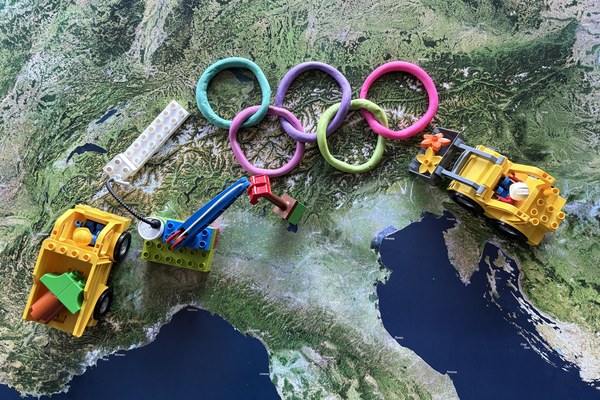
Winter Olympics: the Alps are more than just a playground
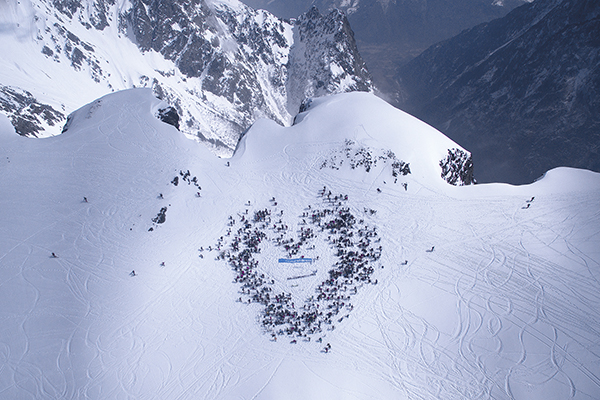
Major, global sports events have the power to fascinate and inspire. Winter sports hold a special place in the Alps, with their deep-rooted tradition and passionate following. We however believe that, as they currently stand, the Winter Olympic Games are neither environmentally nor socially acceptable. Despite promises of reform, recent developments such as the preparations for Milano-Cortina 2026 and the 2030 Games in France, as well as the “privileged candidacy” of Switzerland for the Winter Games 2038, all prove that the Olympic model remains unsustainable. In recent decades, referendums (e.g. in Innsbruck, Sion, Munich, Grisons) have several times demonstrated that large segments of the population are no longer willing to pay the price of the Winter Olympics.
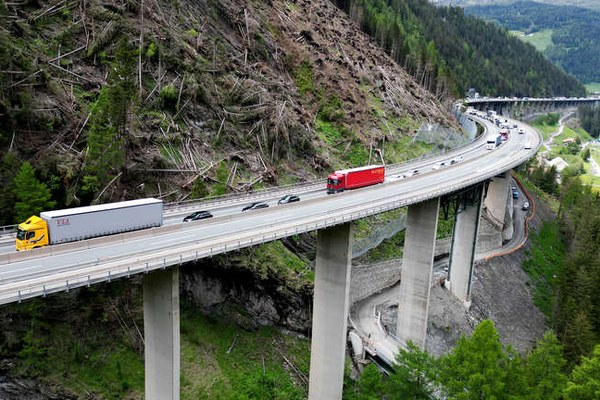
Open Letter: Protect the Alps from Excessive Transit Traffic
The Alpine region is under increasing pressure — from the climate crisis, air pollution, and ever-growing traffic volumes. Numerous organisations, led by CIPRA International, have therefore addressed an open letter to Commissioner Apostolos Tzitzikostas and the transport ministers of the Alpine countries.
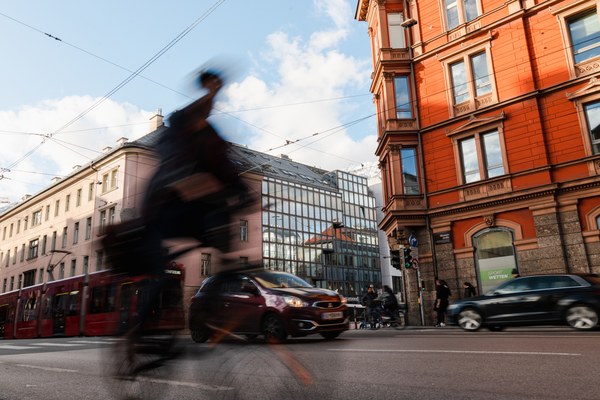
Position: Transport and mobility in the Alps
In its new 40-page position paper, CIPRA outlines sustainable mobility in the Alpine region with the least possible negative impact of transport on the environment and people. In addition to travel, the paper also addresses commuter traffic, long-distance traffic and freight transport - supplemented with facts, concrete measures and good examples.

News on Alpine Politics

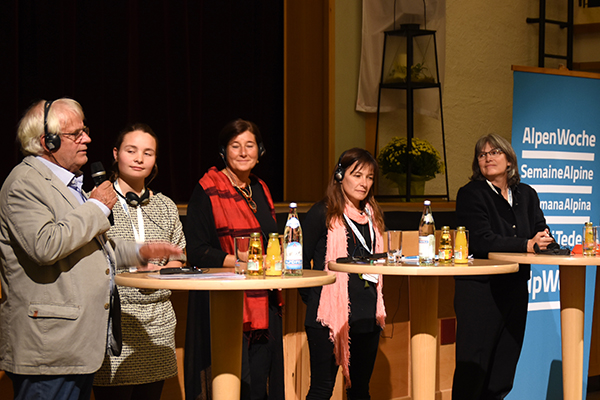
Taking small steps together
Last week’s AlpWeek held in Grassau/DE saw the focus on people and their relations with the Alps. The topics of migration and youth participation were particular subjects of discussion.
Point of view: A strategy for people in the Alps
The European strategy for the Alps is intended to create new relationships between Alpine regions and the surrounding areas. This however requires oversight to ensure the reconciliation of interests as well as sustainable development, says Andreas Pichler, director of CIPRA international.
Young ideas for a green economy
This year’s Youth Parliament of the Alpine Convention, held in the Italian town of Bassano del Grappa, focussed exclusively on the topic of “Green Economy”. The “Youth Alpine Express” also stopped off there.
Better protection for natural spaces
Resistance is growing across the Alps against construction activities in pristine or largely unspoilt areas. CIPRA is making an appeal for integrative spatial planning to the Alpine states meeting this week in Murnau, Germany.

Point of view of CIPRA

Point of view: Second homes – no end in sight
By voting “Yes” in 2012 in the referendum “No to the unrestricted building of second homes”, Swiss voters expressed their desire for new tourism policies. Dominik Siegrist, President of CIPRA International, expresses doubt that the population’s demand canactually be implemented.
Point of view: who will fill the macro-regional Alpine house with life?
Just as in the building of a house, the inhabitants are the most important persons involved in the Alpine macro-region. But, eight weeks after the start of the process, states and regions have yet to indicate to the representatives of civil society whether they may contribute. R.S.V.P.

Point of view: The mountains do not grow to heaven
Mountains and valleys do not grow bigger - at least not in the human timescale. Yet our appetites grow from day to day. Sooner or later we will have to adapt our consumption of natural resources to their availability. We had better decide freely for a more modest life before we are forced to do so, demands Claire Simon.