Political positions of CIPRA

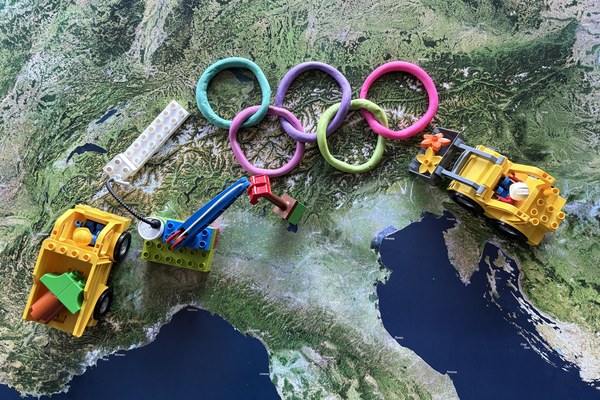
Winter Olympics: the Alps are more than just a playground
Major, global sports events have the power to fascinate and inspire. Winter sports hold a special place in the Alps, with their deep-rooted tradition and passionate following. We however believe that, as they currently stand, the Winter Olympic Games are neither environmentally nor socially acceptable. Despite promises of reform, recent developments such as the preparations for Milano-Cortina 2026 and the 2030 Games in France, as well as the “privileged candidacy” of Switzerland for the Winter Games 2038, all prove that the Olympic model remains unsustainable. In recent decades, referendums (e.g. in Innsbruck, Sion, Munich, Grisons) have several times demonstrated that large segments of the population are no longer willing to pay the price of the Winter Olympics.
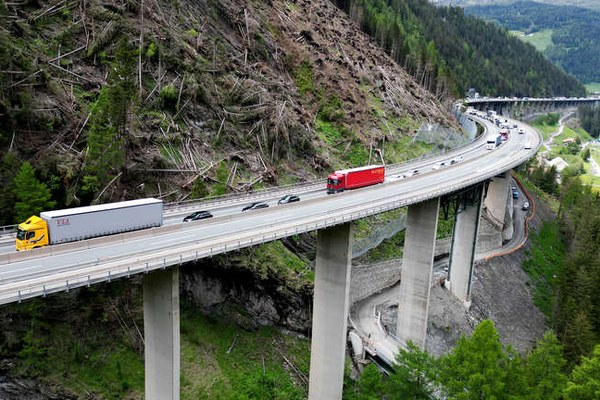
Open Letter: Protect the Alps from Excessive Transit Traffic
The Alpine region is under increasing pressure — from the climate crisis, air pollution, and ever-growing traffic volumes. Numerous organisations, led by CIPRA International, have therefore addressed an open letter to Commissioner Apostolos Tzitzikostas and the transport ministers of the Alpine countries.
Position: Transport and mobility in the Alps
In its new 40-page position paper, CIPRA outlines sustainable mobility in the Alpine region with the least possible negative impact of transport on the environment and people. In addition to travel, the paper also addresses commuter traffic, long-distance traffic and freight transport - supplemented with facts, concrete measures and good examples.

News on Alpine Politics

NGOs demand participation in the Alpine macro-region
Observer organisations of the Alpine Convention are bewildered at their exclusion from the Alpine macro-region. They are demanding their inclusion in the ongoing process for a macro-regional Alpine strategy.
Who will shape the Alpine macro-region?
With its "Alpen.Leben" (Living in the Alps) project, CIPRA Austria is sounding out the role of the Alpine Convention for a macro-regional strategy and is asking who should actually have a say in shaping this European Union strategy for the Alps.
Boost for the macro-region Alps
The European Union is publishing its first analysis of existing macro-regions - encouraging news for current developments in the Alpine space.
Macro-region: Europe goes a step further
The European Parliament has adopted a resolution on a macro-regional strategy, while the Alpine Space Programme submitted an expert report to the European Union.

Point of view of CIPRA

Point of view: Mountains for everyone? Not a chance!
Access to the mountains and mountain sports is often unfair, exclusive, segregating and discriminatory. Henriette Adolf, Deputy Executive Director of CIPRA Germany, argues in favour of equal participation in mountain sports.
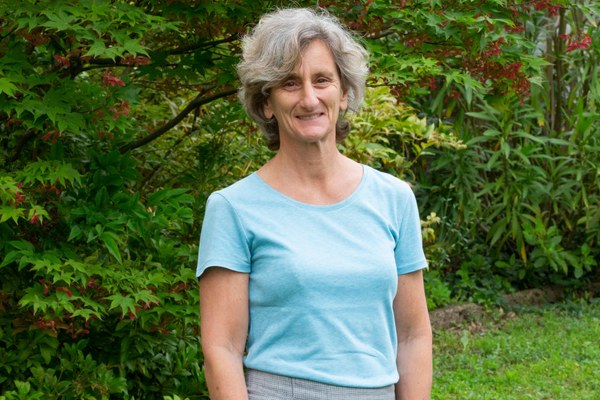
Point of view: In nature restoration we trust!
The Nature Restoration Law now obliges all EU member states to restore destroyed nature to a good ecological condition and thus safeguard the stocks of pollinators, natural resources, clean air and clean water. The Alpine region and its agriculture will also benefit, says Serena Arduino, Co-President of CIPRA International.
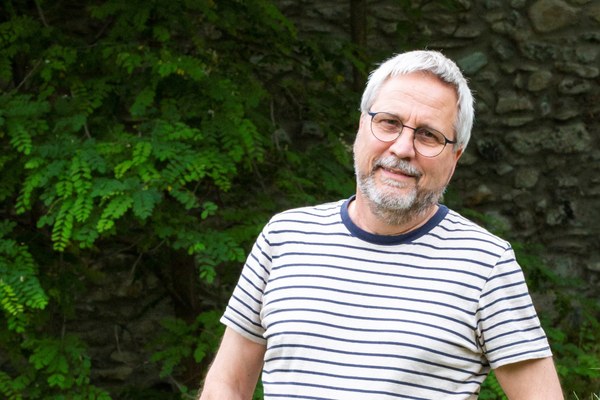
Point of view: Avoiding transport collapse together
As regards the growing volume of individual and transit traffic, it can be stated that neither regional nor national perspectives will lead to solutions. We have to find them together, because the Alps lie in the midst of Europe. This geographical truism is central to an understanding of transport policy problems in the Alps so as to avoid transport collapse, says Kaspar Schuler, Executive Director of CIPRA International.