
News
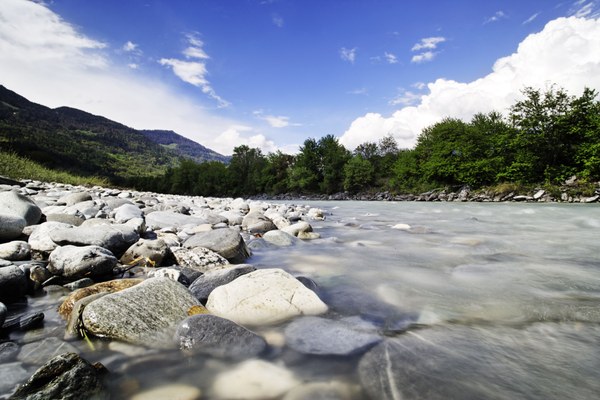
When nature loses, we all lose
The air we breathe, the water we drink, the food we eat, the safety of our homes – all depend on strong environmental laws. Right now, those protections are under attack. Once they’re gone, we hand the keys of our future to those who see nature only as a resource to exhaust. In the EU, environmental laws are being gutted, under the promise of “simplification” of the legal system. But in reality, these changes will only profit greed, while endangering the lives of all.
![[3 questions to … ] Francesca Pasetti Bombardella](https://alpeninbewegung.org/en/news/3-questions-to-francesca-pasetti-bombardella/@@images/image-600-93ddabd8343a686678bf11034747f4cf.jpeg "[3 questions to … ] Francesca Pasetti Bombardella")
[3 questions to … ] Francesca Pasetti Bombardella
2026 is the International Year of Rangelands and Pastoralists (IYRP 2026) aimed at raising global awareness of the critical importance of rangelands and pastoralist communities, managed by FAO during the whole 2026. Francesca Pasetti Bombardella is co-chair of the Regional IYRP Support Group Europe.
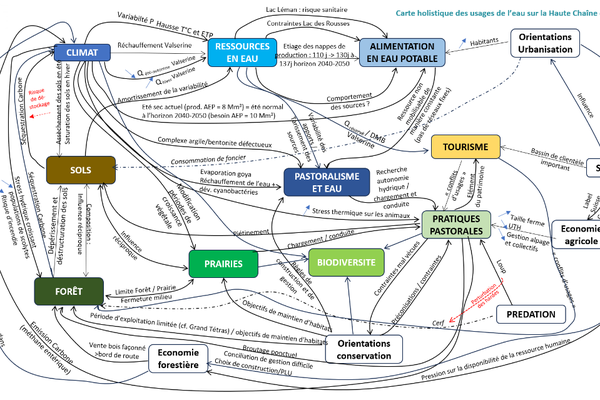
Preserving the water ressource in the French Jura massif : using a holistic method to better share and adapt to climate change
Adaptation of pastoralism to climate change doesn’t only rely on the shoulders of shepherds and livestock farmers. To deal with climate change, it is important to have a global view, understand how stakes intertwine and think about the adaptation of an ecoregion as a whole - otherwise it cannot be sustainable. That’s what Olivier Erard demonstrates within a project led by the Community of Agglomeration of the Pays de Gex and the National Natural Reserve of the High Jura’s mountains range, which objective was to work on the preservation of the water ressource while answering the needs of pastoral farmers.
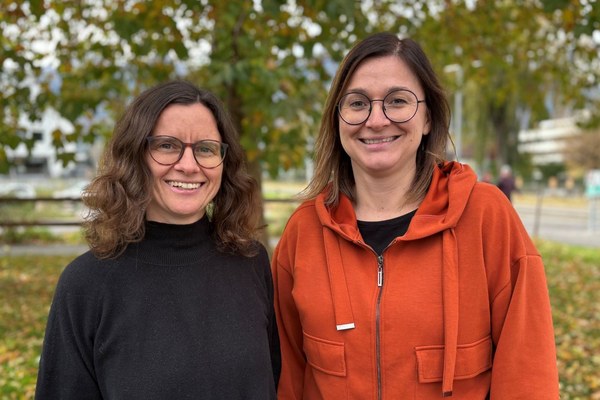
Point of view: Every drop counts
Discussing, eating and laughing together, forging ideas, identifying problems, discovering projects and meeting inspiring people: commitment is contagious, according to Anna Mehrmann and Maya Mathias from CIPRA International, who organised the second Liechtenstein Future Forum Alps on the topic of water in 2025.
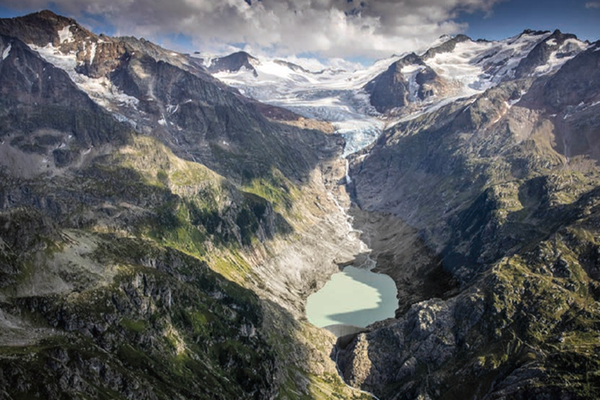
The battle for Alpine water
A revival of the hydropower boom: 70 years ago, many Alpine rivers were dammed for the benefit of power stations, while valuable high valleys were built over. Today, new requirements are threatening their ecological functions. In view of the dwindling glaciers and increasing utilisation demands, a distribution battle is looming.

Getting stones rolling
Workshops, excursions, art cards, podcasts: the results of the CIPRA “SteinReich” project, which focused on drystone walls and cairns, are diverse and tangible.
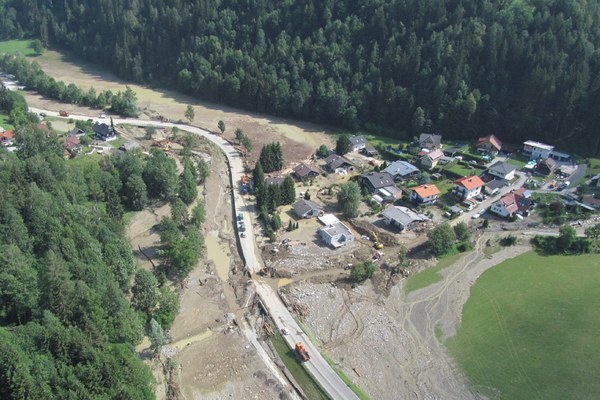
After the flood
What role could biosphere reserves play in dealing with climate risks? This was the subject of an international workshop organised by the MultiBios project in Bad Kleinkirchheim/A at the beginning of April 2024, which included a site visit to the Gegendtal valley that was affected by heavy rainfall and flooding two years ago.
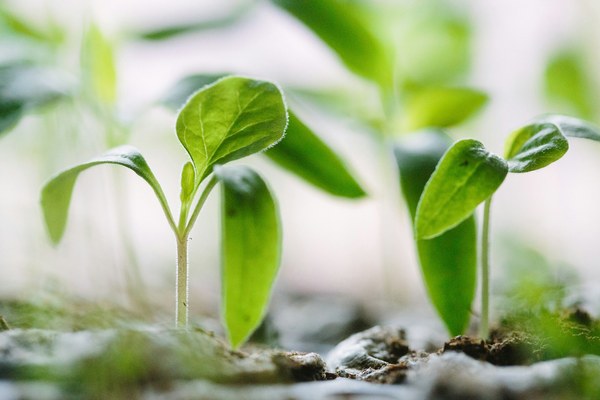
Challenges for alpine agriculture
Loss of biodiversity, climate change, migration: just some of the problems affecting the Alpine region. The concept of agroecology offers sustainable solutions - but we have to implement them together.
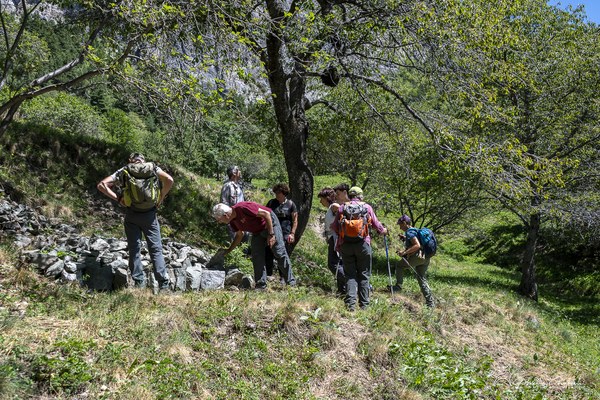
Natural diversity through stones
What do the large woolly bee, the protected fire-bellied toad, the busy ant and the white stonecrop have in common? They all feel right at home in and around cairns, which CIPRA’s “StoneRich” project is creating in seven pilot regions.
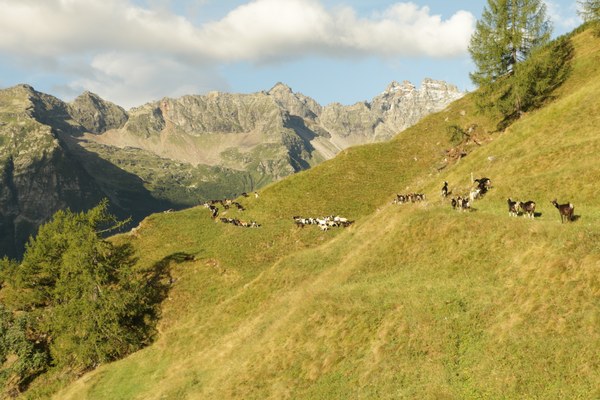
UNESCO recognizes Alpine season as cultural heritage
In December 2023, UNESCO added the “Alpine season” to its Representative List of Intangible Cultural Heritage. Known for centuries in Switzerland and neighbouring countries, the Alpine season remains alive and well thanks to its many different forms.
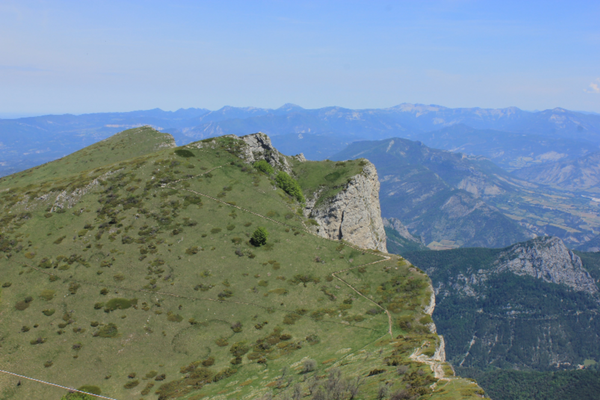
Natura 2000 site under pressure
Too many visitors are putting a strain on nature in the Trois Becs/F area and pushing the infrastructure to its limits. A study by CIPRA France proposes measures, including on-site personal sensitisation and greater communication.
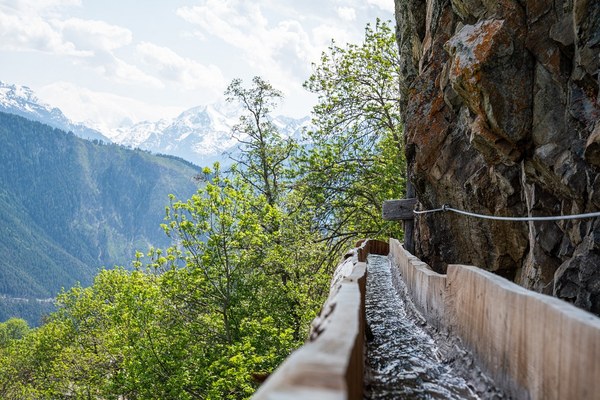
Waale, Suonen, Wasserleiten
Vital for the cultural landscape and biodiversity, and the epitome of community resource management: an application to UNESCO aims to turn traditional irrigation practices into an intangible cultural heritage asset.
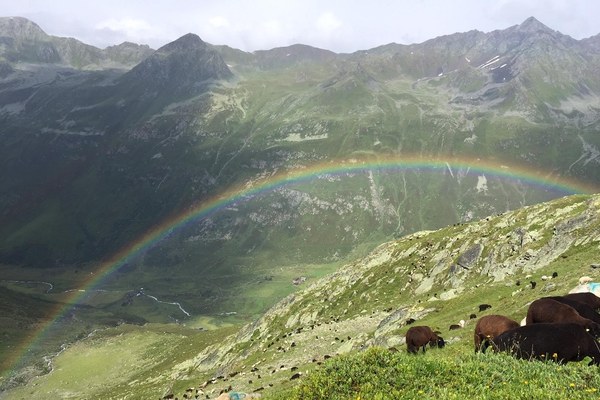
Alpine-wide network for shepherds
What are the possibilities and challenges for a cross-border organisation for shepherds in the Alps? CIPRA held an online conference on 27 January 2022 with representatives from agricultural colleges, national authorities, nature conservation groups and shepherds' organisations to find answers.
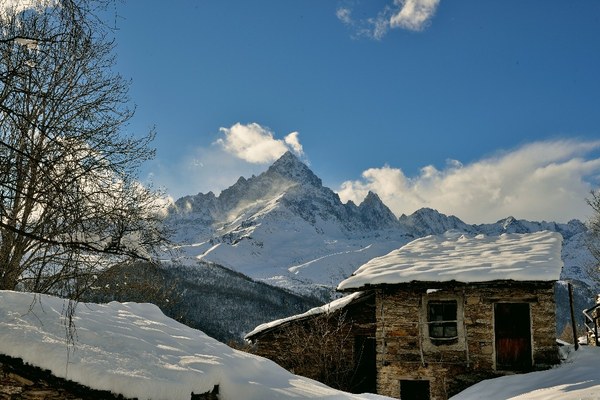
Abandoned and uncultivated
Remote mountain villages in Piedmont/I have been struggling with heavy emigration for years. The region is now supporting people moving back to the mountains. A study from Austria shows how endangered Alpine agriculture actually is.
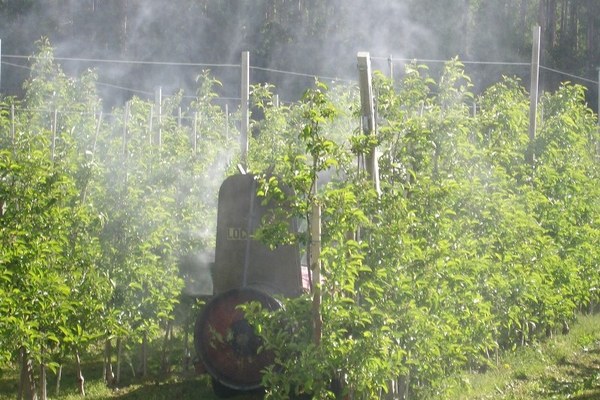
Where pesticides do not belong
On children’s playgrounds, in schoolyards and at the marketplace: researchers from Italy, Austria and Germany detect 32 different agricultural poisons in public places in South Tyrol.
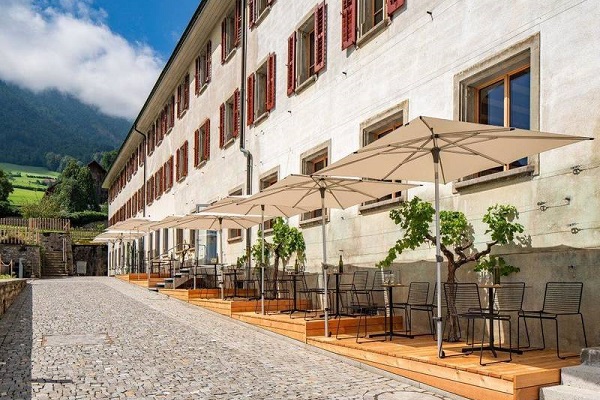
Developing Alpine culinary arts
The first competence centre for regional culinary arts in the Alps opened in autumn 2020 with the “Culinarium Alpinum” in Stans/CH, showing how the cooperation of various players is revitalising and developing Alpine food culture.
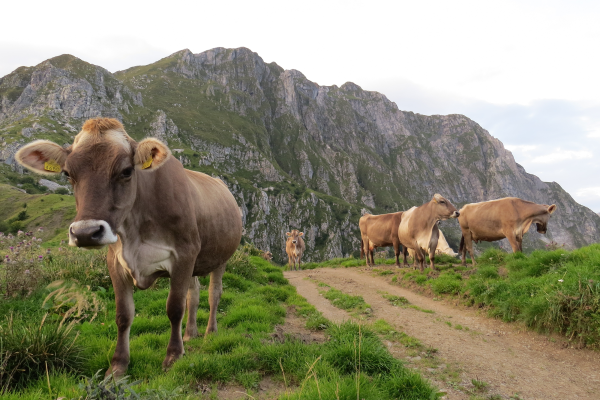
Quality from the mountains
Cheese, meat and honey – these and other products from the mountains must meet certain EU requirements to be allowed to bear the “mountain product” quality label, introduced by the EU in 2014. A recent study shows whether and how this term has become established.
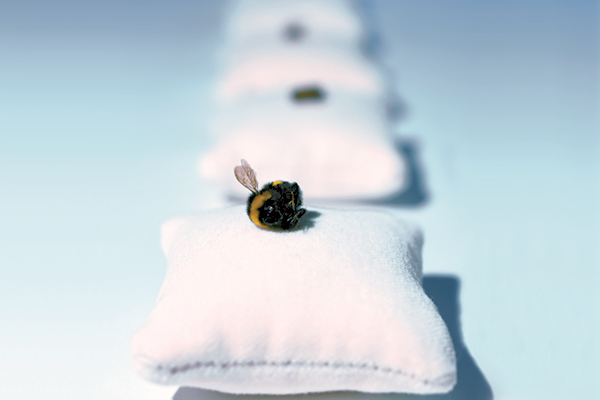
Bees: small in size, big in effect
Why we need honey, pollinators and biodiversity: This question is the subject of the themed issue of SzeneAlpen, to be published in March 2020.
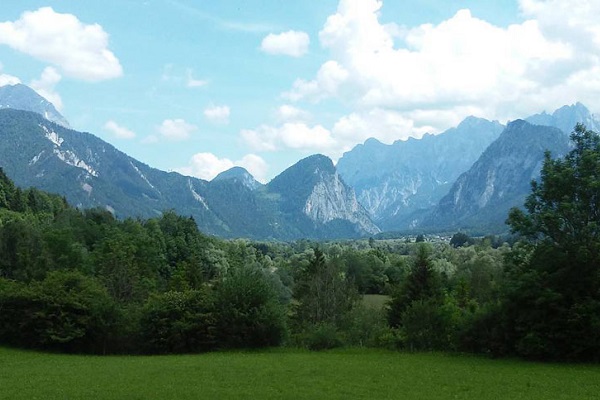
How diversity is lost
Intensive agriculture and climate change: a recent study from Austria shows how much influence both have on the loss of biodiversity in Alpine regions.
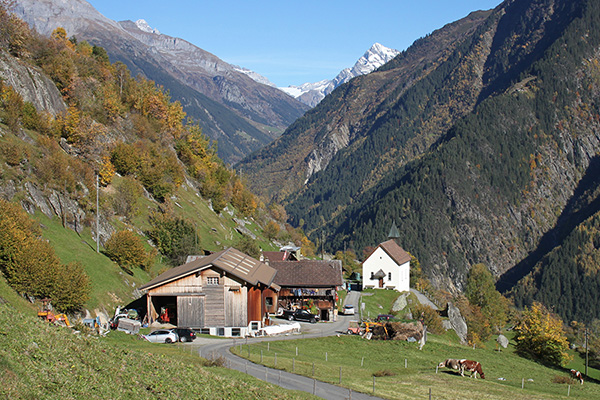
Rejuvenation of mountain farms
Fewer and fewer young people want to become farmers. If no one is willing to inherit and take on the running of a farm, it will close. There is a lack of both recognition and incentives – from EU policy through to searching for partners.
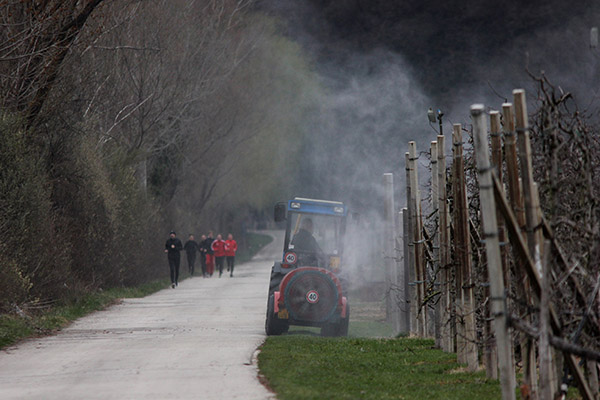
Poisoned playgrounds
A study proves the presence of pesticides on children's playgrounds in South Tyrol. The provincial government has taken up a defensive posture.
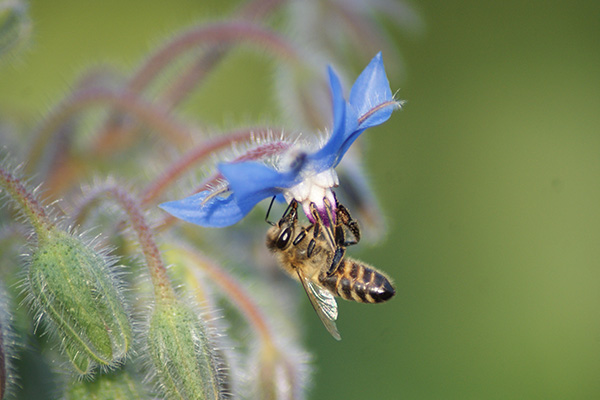
Salvation for the bees?
The European Commission is discussing the use of neonicotinoids. The damage caused by these insecticides also strongly affects bees.
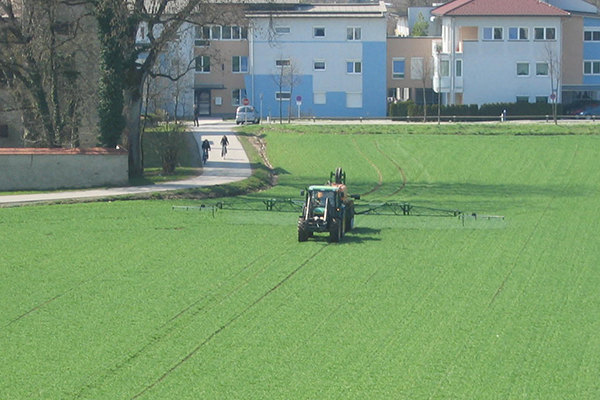
Pesticides: a tug of war
Pesticides damage the environment, threaten useful species like bees, pollute the water in the Alps, while some are suspected of causing cancer. They nevertheless appear to be indispensable in conventional agriculture.
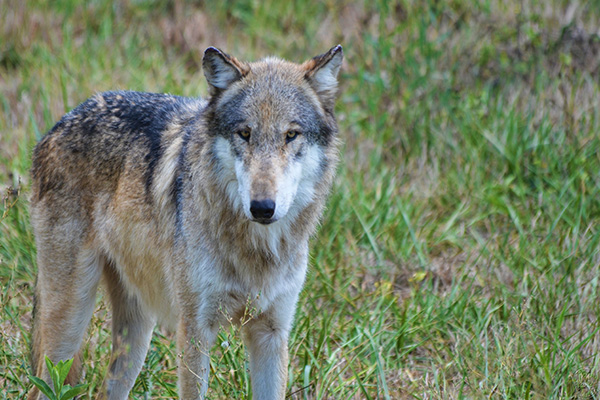
Wolves once more in the firing line
Downgrading the protected status of the wolf, control, even wolf-free zones: these are some of the demands of the Alpine farming federations in the Alpine regions as part of the fitness check conducted on the Fauna Flora Habitat (FFH) directive. Nature conservation organisations respond.
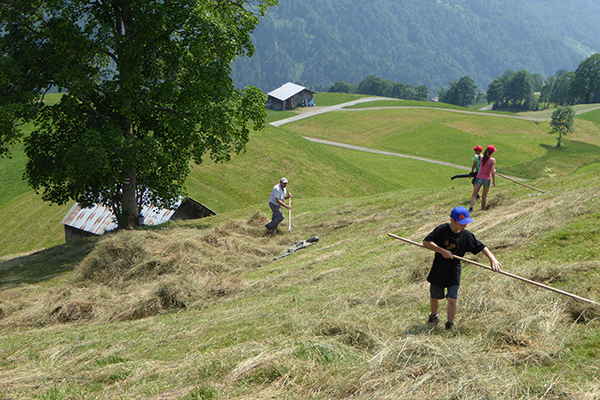
Victory and defeat for new protected areas
New protected areas are valuable for biodiversity, with many also intended to boost the local economy. There are nevertheless frequent reservations.
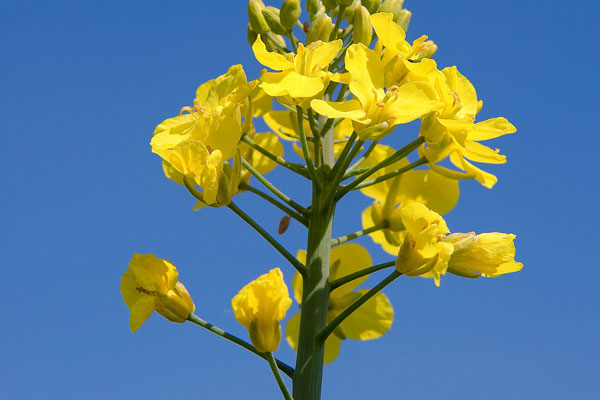
Genetic engineering: sinister passengers in the Alps
In Switzerland genetically modified rapeseed is spreading in uncontrolled fashion. Yet its cultivation and use for feeding have been prohibited there since 2008. How is it that such rape is appearing in places where it has no right to be?
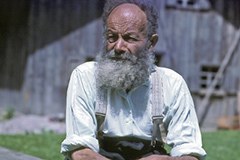
The future of farming in the mountains
The European Union is negotiating the Common Agricultural Policy (CAP). If the "Alliance for Agriculture and Nature Protection in the Alpine Regions" has its way, farming in the mountains will be given particular consideration. The alliance has now submitted its catalogue of demands.
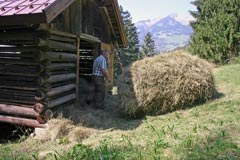
Common Agricultural Policy for the Alps
A new Common Agricultural Policy (CAP) is being negotiated in Brussels/BE. And as the CAP is also to take account of the particular conditions of agriculture in the Alps, in April the ministers of the Alpine states drew up a declaration at the International Mountain Region Conference in Oberammergau/D.
European Agro-Biodiversity Day
The European Agro-biodiversity Day (EAD) will take place on 29th September 2009 under the motto "Arca-Net - the European Ark Network".
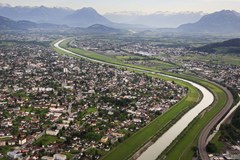
Latest update on ecological networks in the Alpine region
CIPRA has just expanded and updated its online dossier on "Relevant Instruments Relating to Ecological Networks in the Alpine Region".