
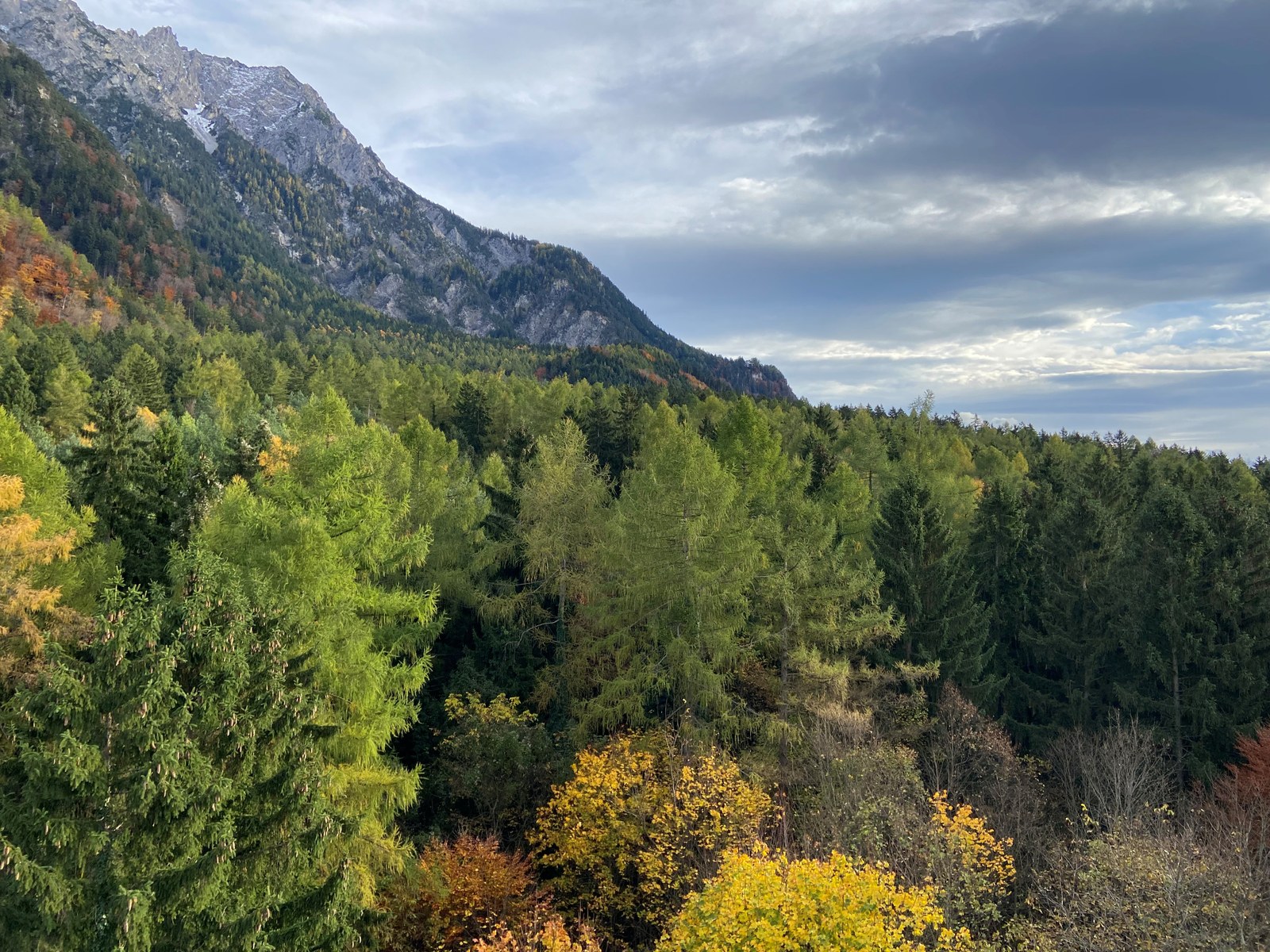
Act now to protect forests: sign the #HandsOffNature petition!
More than 40 percent of the Alpine region is covered by forests. They are not only a defining feature of the landscape, but also a cornerstone of Alpine livelihood, providing building materials, supporting biodiversity, and delivering essential ecosystem services.

Who is CIPRA?
Find out more!
More articles
Act now to protect forests: sign the #HandsOffNature petition!
More than 40 percent of the Alpine region is covered by forests. They are not only a defining feature of the landscape, but also a cornerstone of Alpine livelihood, providing building materials, supporting biodiversity, and delivering essential ecosystem services.
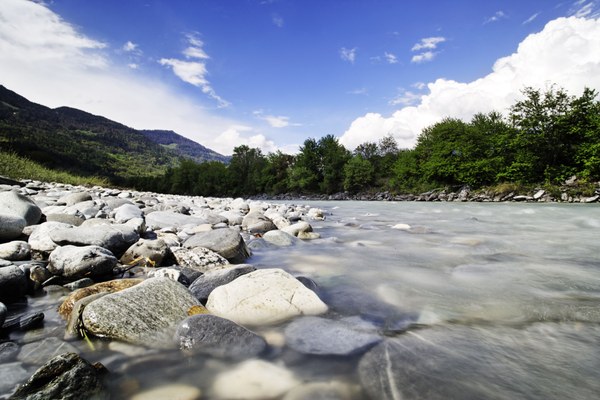
When nature loses, we all lose
The air we breathe, the water we drink, the food we eat, the safety of our homes – all depend on strong environmental laws. Right now, those protections are under attack. Once they’re gone, we hand the keys of our future to those who see nature only as a resource to exhaust. In the EU, environmental laws are being gutted, under the promise of “simplification” of the legal system. But in reality, these changes will only profit greed, while endangering the lives of all.
Lauren Mosdale
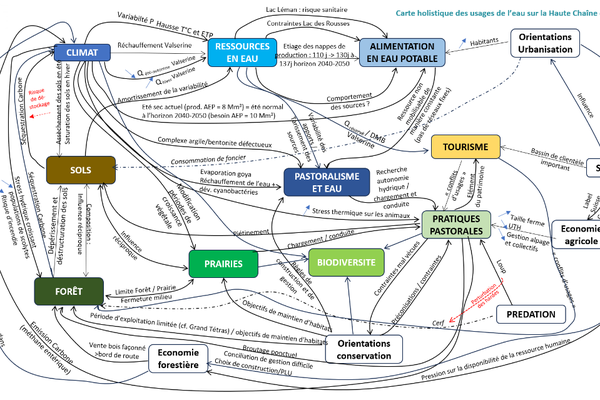
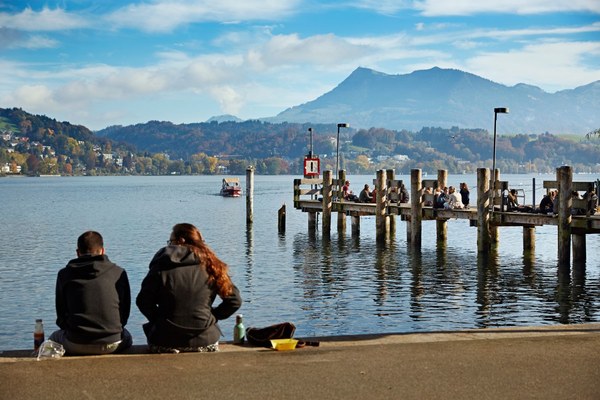
Preserving the water ressource in the French Jura massif : using a holistic method to better share and adapt to climate change
Adaptation of pastoralism to climate change doesn’t only rely on the shoulders of shepherds and livestock farmers. To deal with climate change, it is important to have a global view, understand how stakes intertwine and think about the adaptation of an ecoregion as a whole - otherwise it cannot be sustainable. That’s what Olivier Erard demonstrates within a project led by the Community of Agglomeration of the Pays de Gex and the National Natural Reserve of the High Jura’s mountains range, which objective was to work on the preservation of the water ressource while answering the needs of pastoral farmers.
Caroline Begle, CIPRA International
H2Opportunities: Working together for a sustainable future for Alpine water
Water is one of our most precious resources – and it is increasingly threatened by the climate crisis. The new CIPRA project “H2Opportunities” aims to share knowledge and initiate a dialogue on fair water management in the Alps.
Events
|
Webinar: The journey of water | online |
Projects
Responsible management of mountain water resources
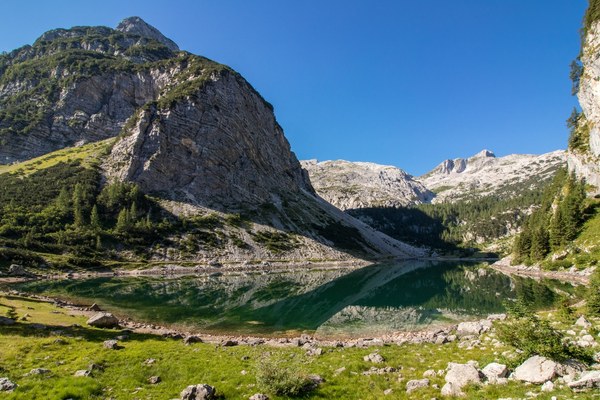
Mountain regions constitute a unique yet fragile natural environment that provides habitat for numerous rare and endemic species. Their biodiversity is rich, yet highly vulnerable. These areas host a variety of aquatic ecosystems—rivers, streams, lakes, wetlands and peat bogs — which have very limited self-purification capacity and are extremely sensitive to change. Their condition is directly affected by climate change and human activities.
H2Opportunities
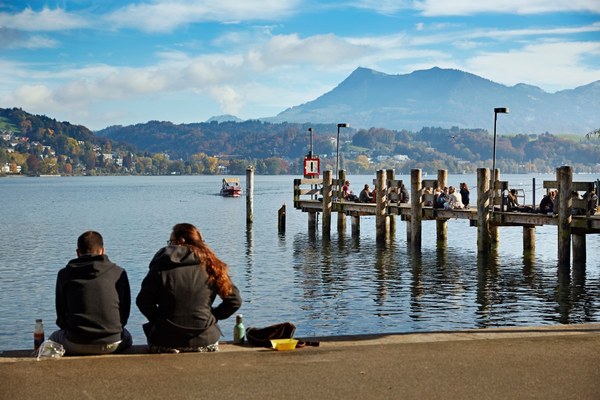
Water is one of our most precious resources and is under serious threat from the climate crisis. The project “H2Opportunities – Opening dialogues on a sustainable Alpine water future” shares knowledge and encourages discussion about fair water management.
CIPRA International
Nature-based solutions and their governance structures in the Alpine region
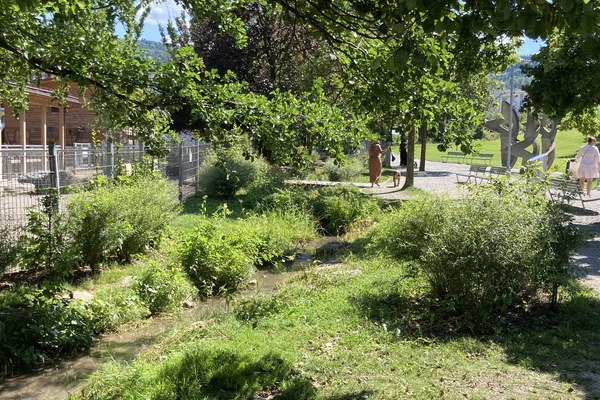
In view of the global challenges of climate change and biodiversity loss, the use of nature-based solutions (NbS) is becoming increasingly important. On behalf of the German Federal Environment Agency, ifuplan (lead) and CIPRA International are preparing a report on “Nature-based solutions and governance structures in the Alpine region”. The aim of the report is to analyse the potential of various NbS in the Alpine region and the governance mechanisms behind them that ensure their success. Based on this, their transferability to other Alpine regions will be analysed and recommendations for action formulated.