Act now to protect forests: sign the #HandsOffNature petition!

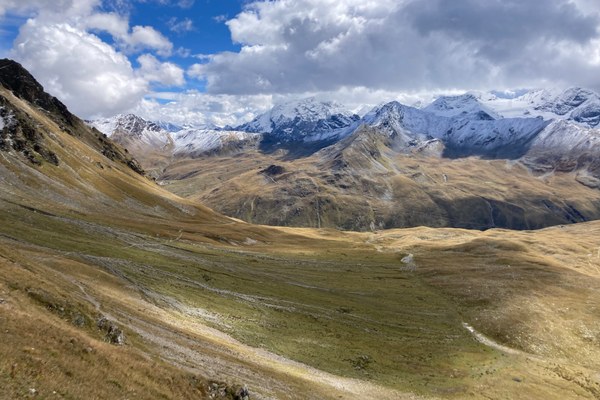
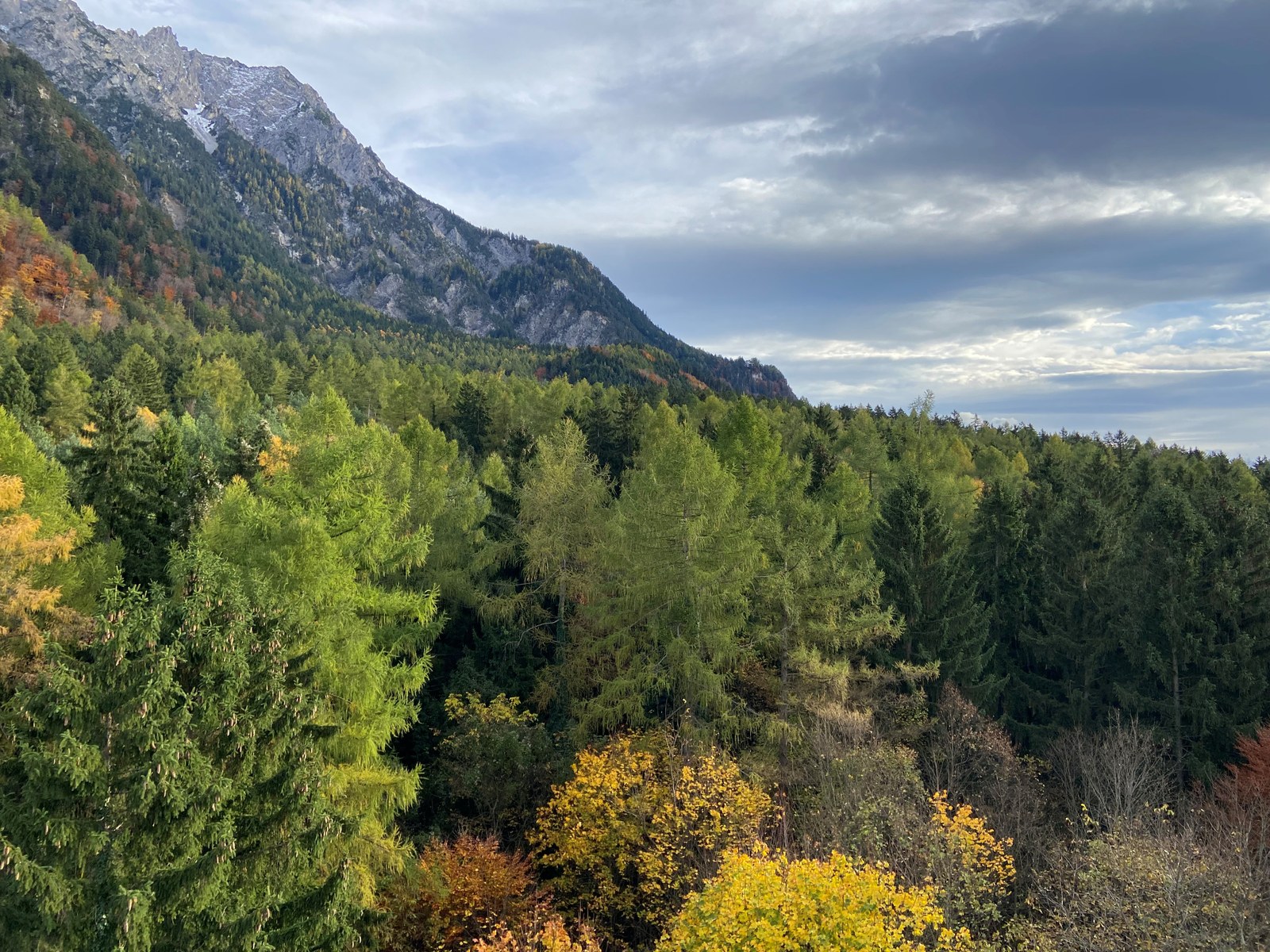
More than 40 percent of the Alpine region is covered by forests. They are not only a defining feature of the landscape, but also a cornerstone of Alpine livelihood, providing building materials, supporting biodiversity, and delivering essential ecosystem services.

CIPRA International

Do you want to know more about CIPRA International? Click here!

More articles

Experiencing the melting of glaciers
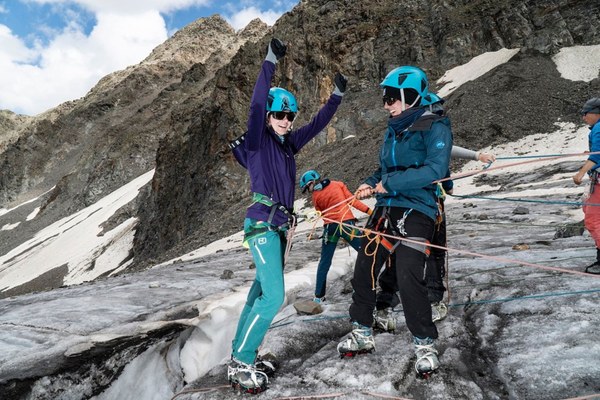
By 2100, only 12 per cent of today’s glaciers will remain in the Alps. In the webinar kicking off the Erasmus+ project “Young Glacier Voices”, glacier experts talked about the disappearing ice.
When nature loses, we all lose
The air we breathe, the water we drink, the food we eat, the safety of our homes – all depend on strong environmental laws. Right now, those protections are under attack. Once they’re gone, we hand the keys of our future to those who see nature only as a resource to exhaust. In the EU, environmental laws are being gutted, under the promise of “simplification” of the legal system. But in reality, these changes will only profit greed, while endangering the lives of all.
[3 questions to … ] Francesca Pasetti Bombardella
[3 questions to … ] Francesca Pasetti Bombardella
2026 is the International Year of Rangelands and Pastoralists (IYRP 2026) aimed at raising global awareness of the critical importance of rangelands and pastoralist communities, managed by FAO during the whole 2026. Francesca Pasetti Bombardella is co-chair of the Regional IYRP Support Group Europe.
Generational change at CIPRA International
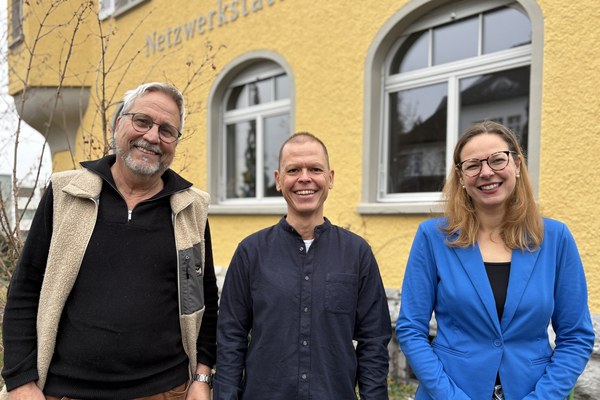
After seven eventful years at the helm of CIPRA International, Kaspar Schuler is taking well-deserved retirement. His former deputy, Jakob Dietachmair, takes over as Executive Director, while Magdalena Holzer becomes the new Deputy Director. There are also changes at CIPRA Austria: Paul Kuncio is moving to CIPRA International as Policy Officer.

Events

  • 2026-03-23T00:00:00+01:00
  • 2026-03-27T23:59:59+01:00
Mar 23, 2026 - Mar 27, 2026
Youth Parliament to the Alpine Convention: Climate Resilient Development
  • 2026-03-24T00:00:00+01:00
  • 2026-03-27T23:59:59+01:00
  • Ljubljana
Mar 24, 2026 - Mar 27, 2026
The Better-Cities Event Ljubljana
  • 2026-04-07T00:00:00+02:00
  • 2026-04-17T23:59:59+02:00
  • online
Apr 07, 2026 - Apr 17, 2026
Local Peaks, Global Learning online
  • 2026-04-21T00:00:00+02:00
  • 2026-04-23T23:59:59+02:00
  • MUCEM, Marseille/France
Apr 21, 2026 - Apr 23, 2026
Transhumance as Intangible Cultural Heritage of Humanity: A Way Forward? MUCEM, Marseille/France
  • 2026-04-22T00:00:00+02:00
  • 2026-04-23T23:59:59+02:00
  • Vienna/Austria
Apr 22, 2026 - Apr 23, 2026
Growing alternative crops for new market opportunities in a changing climate Vienna/Austria

Projects & activities

AlpsLife – observe globally, act locally
The successful protection of biodiversity in the Alps is only sustainable through Alpine-wide monitoring and management. This is the aim of the AlpsLife project.
Climate-friendly streetscapes
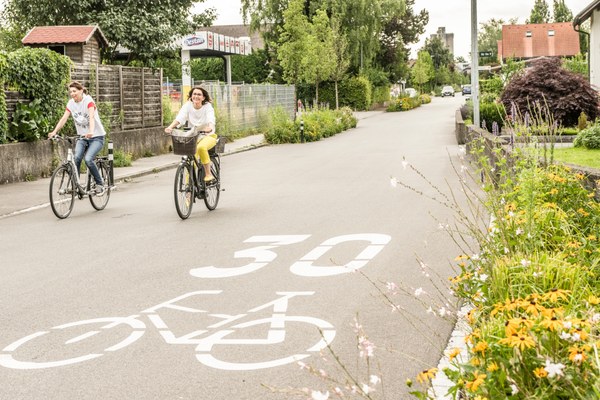
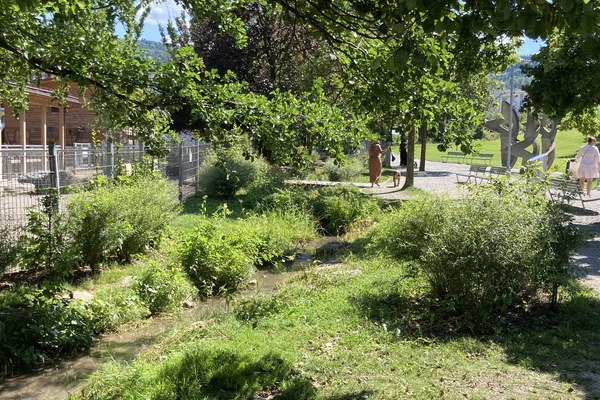
Whether travelling by car, public transport, bicycle or on foot, roads and their immediate surroundings are probably the most important part of our daily journeys. Against the backdrop of the climate crisis, they can become a problem because they increase the heat island effect and seal the ground. The project, based in the Alpine Rhine Valley, aims to make road spaces fair, climate-friendly and health-promoting.
Nature-based solutions and their governance structures in the Alpine region
In view of the global challenges of climate change and biodiversity loss, the use of nature-based solutions (NbS) is becoming increasingly important. On behalf of the German Federal Environment Agency, ifuplan (lead) and CIPRA International are preparing a report on “Nature-based solutions and governance structures in the Alpine region”. The aim of the report is to analyse the potential of various NbS in the Alpine region and the governance mechanisms behind them that ensure their success. Based on this, their transferability to other Alpine regions will be analysed and recommendations for action formulated.