
News
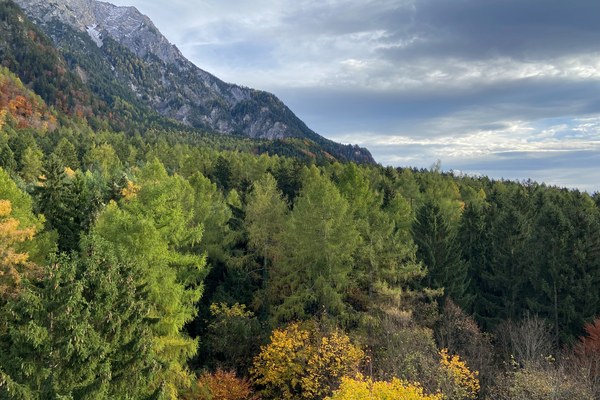
Act now to protect forests: sign the #HandsOffNature petition!
More than 40 percent of the Alpine region is covered by forests. They are not only a defining feature of the landscape, but also a cornerstone of Alpine livelihood, providing building materials, supporting biodiversity, and delivering essential ecosystem services.
When nature loses, we all lose
The air we breathe, the water we drink, the food we eat, the safety of our homes – all depend on strong environmental laws. Right now, those protections are under attack. Once they’re gone, we hand the keys of our future to those who see nature only as a resource to exhaust. In the EU, environmental laws are being gutted, under the promise of “simplification” of the legal system. But in reality, these changes will only profit greed, while endangering the lives of all.
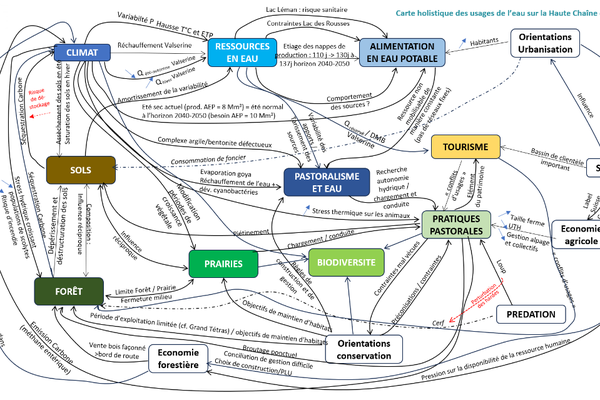
Preserving the water ressource in the French Jura massif : using a holistic method to better share and adapt to climate change
Adaptation of pastoralism to climate change doesn’t only rely on the shoulders of shepherds and livestock farmers. To deal with climate change, it is important to have a global view, understand how stakes intertwine and think about the adaptation of an ecoregion as a whole - otherwise it cannot be sustainable. That’s what Olivier Erard demonstrates within a project led by the Community of Agglomeration of the Pays de Gex and the National Natural Reserve of the High Jura’s mountains range, which objective was to work on the preservation of the water ressource while answering the needs of pastoral farmers.
H2Opportunities: Working together for a sustainable future for Alpine water
Water is one of our most precious resources – and it is increasingly threatened by the climate crisis. The new CIPRA project “H2Opportunities” aims to share knowledge and initiate a dialogue on fair water management in the Alps.
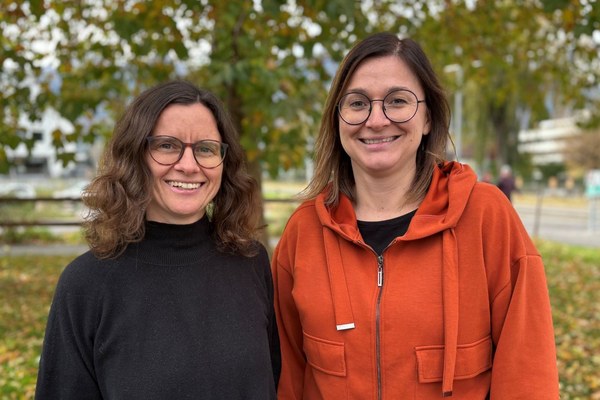
Point of view: Every drop counts
Discussing, eating and laughing together, forging ideas, identifying problems, discovering projects and meeting inspiring people: commitment is contagious, according to Anna Mehrmann and Maya Mathias from CIPRA International, who organised the second Liechtenstein Future Forum Alps on the topic of water in 2025.
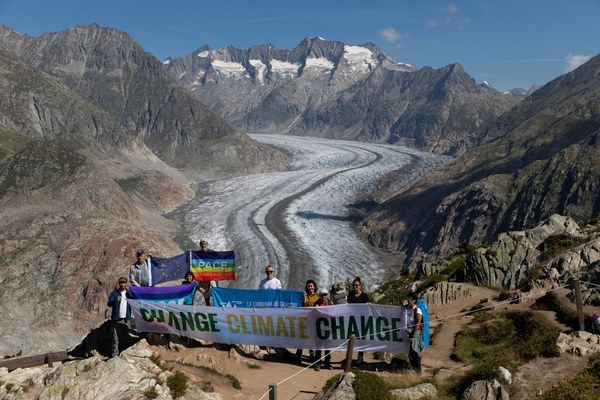
A journey to the heart of the glaciers
The Glacier Caravan 2025 visited eight icy giants in Italy, Switzerland and Germany, calling for concrete action on climate change. The international campaign is backed by Legambiente, CIPRA Italy and the Italian Glaciological Committee.
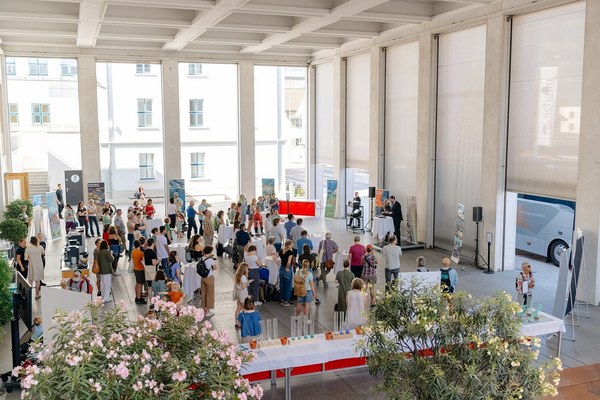
Alpine water: who gets the last drop?
Climate change, increasing soil sealing and pollution are all threats to water in the Alps. At the second Liechtenstein FutureForum Alps in Schaan, held at the end of June 2025, around 160 participants from various Alpine countries discussed the future of the water supply.
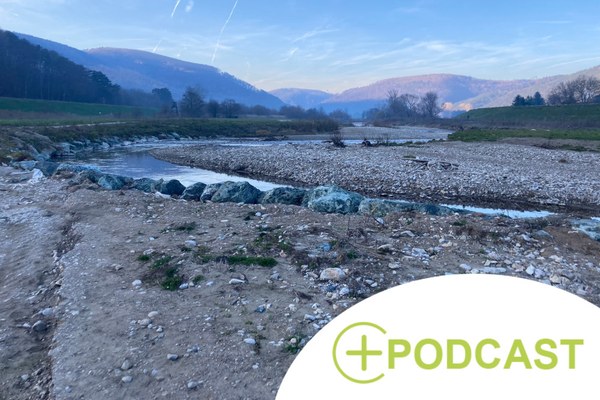
Too much water, too little water: excursion to the Vienna Woods
How do drones detect illegal campfires? How do settlements protect themselves from the next flood? What do forest fires have in common with avalanches? At the end of November 2024, an excursion to the Vienna Woods Biosphere Reserve by participants in the MultiBios project looked for answers.
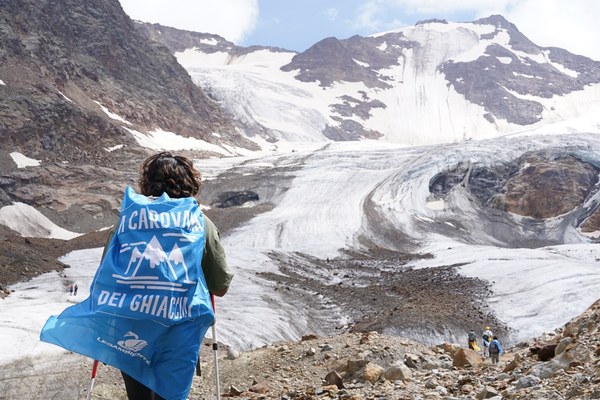
Alarming findings of the Glacier Caravan 2024
Italy's Alpine glaciers are disappearing at a disturbing rate: this is the alarming finding of the Glacier Caravan 2024, organised by the environmental organisation Legambiente in collaboration with CIPRA Italy and the Italian Glaciological Committee.
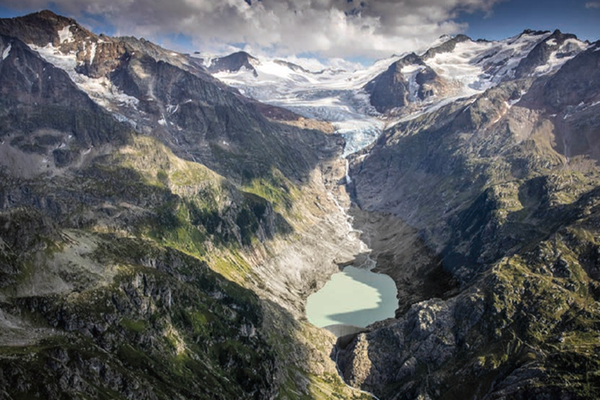
The battle for Alpine water
A revival of the hydropower boom: 70 years ago, many Alpine rivers were dammed for the benefit of power stations, while valuable high valleys were built over. Today, new requirements are threatening their ecological functions. In view of the dwindling glaciers and increasing utilisation demands, a distribution battle is looming.
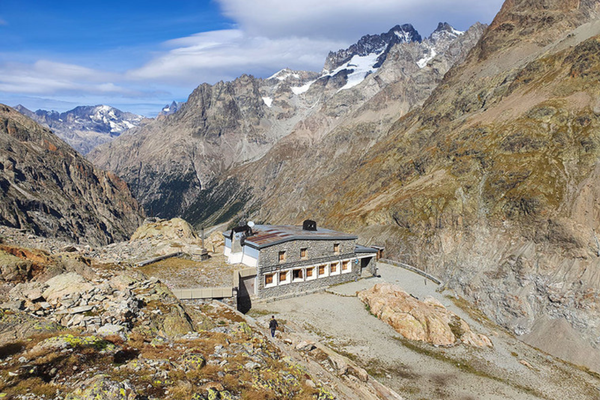
Alpine huts: the first victims of the climate crisis?
Water shortages, disintegrating mountains and renovation needs: managing Alpine huts has always been difficult, but the climate crisis is making the situation even worse. The Austrian Alpine Association has already issued an “Emergency call from the Alps”.
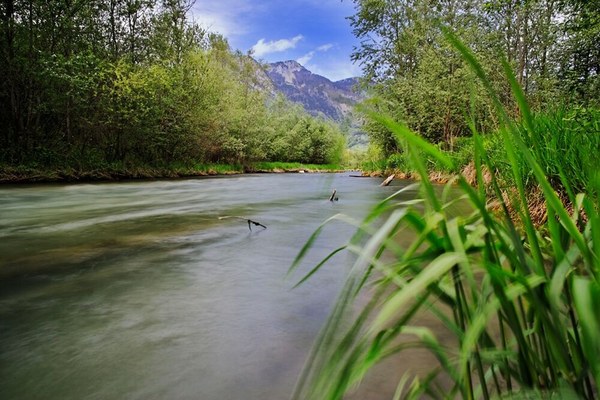
Green light for Nature Restoration in the EU
The majority of EU environment ministers voted in favour of the Nature Restoration Law on 17 June 2024. The decisive factor was the courageous and foresighted last-minute approval by Austria's Environment Minister.
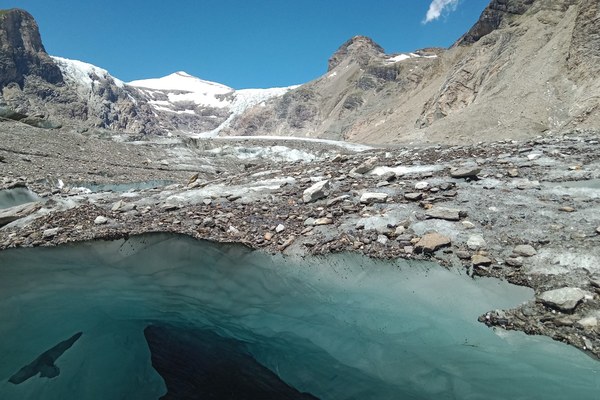
The final glacier melt
Glaciers have been suffering from the consequences of climate change for years, but the latest figures from the Alpine countries are nevertheless alarming: measurements from 2022-23 show that the glaciers in the Alps shrank by more than ever before. A researcher from the Austrian Alpine Association describes the situation as “miserable as hell”.
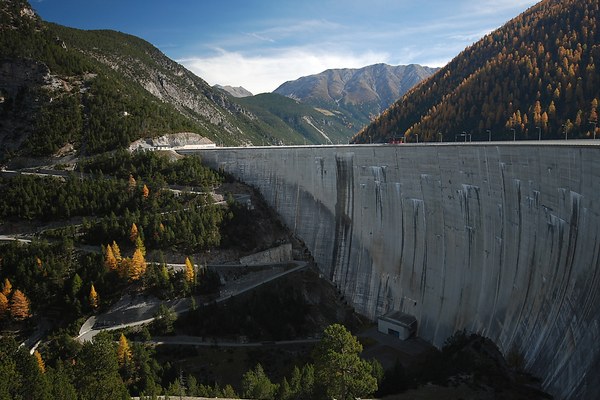
New Alpine reservoirs to combat water shortages
Frequent droughts, thirsty agriculture: Italy is discussing the construction of additional reservoirs to supply drinking water and energy. More ecologically sound solutions are in danger of falling by the wayside.
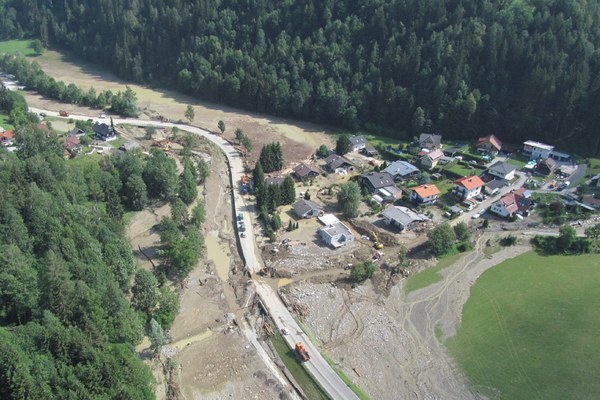
After the flood
What role could biosphere reserves play in dealing with climate risks? This was the subject of an international workshop organised by the MultiBios project in Bad Kleinkirchheim/A at the beginning of April 2024, which included a site visit to the Gegendtal valley that was affected by heavy rainfall and flooding two years ago.
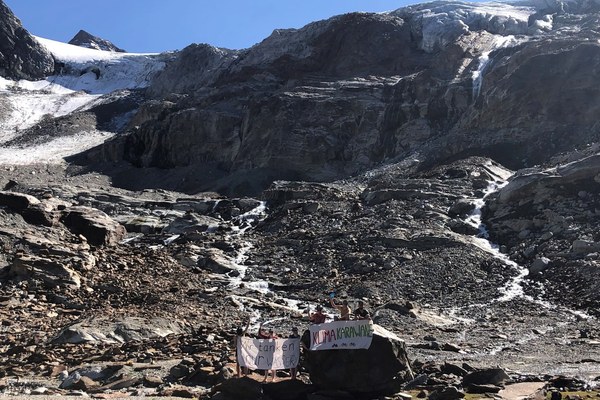
Cycling to the glacier
Exactly how mountaineering and climate protection can be combined was shown by a group of cyclists who biked from Lindau/D to the Ochsental Glacier/A at the start of September 2023. Topics along the way ranged from sustainable tourism to hydropower and nature conservation to glacier loss.
Winter tourism in the climate crisis
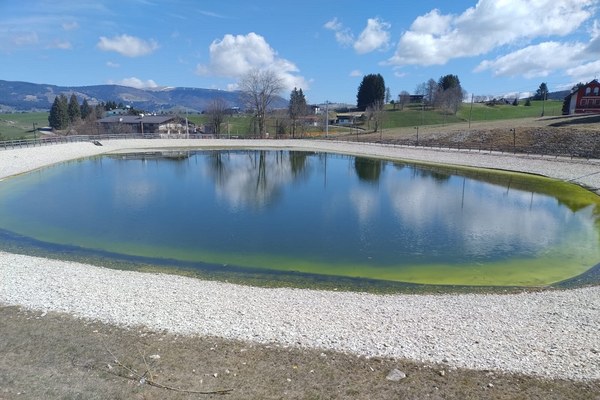
Dry winters have made natural snow increasingly rare and artificial snow ever more expensive: the report “Nevediversa 2023” analyses the impact of the climate crisis on ski resorts in Italy.
Unsuitable landscapes for energy production
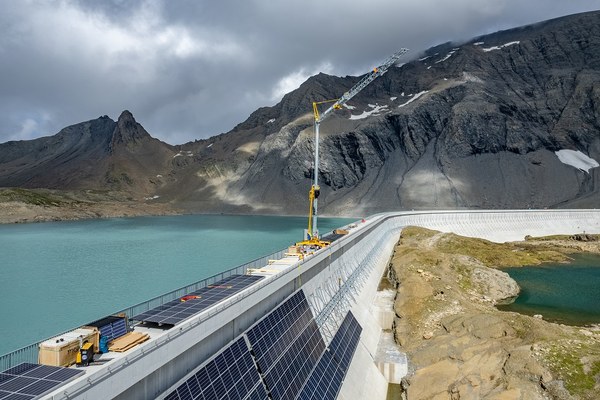
The results of a recent survey from Switzerland are clear: no to energy production in almost unspoilt mountain areas. Intensively used areas around ski resorts or existing power plants would be better suited to the expansion of renewable energy.
A signal for climate protection
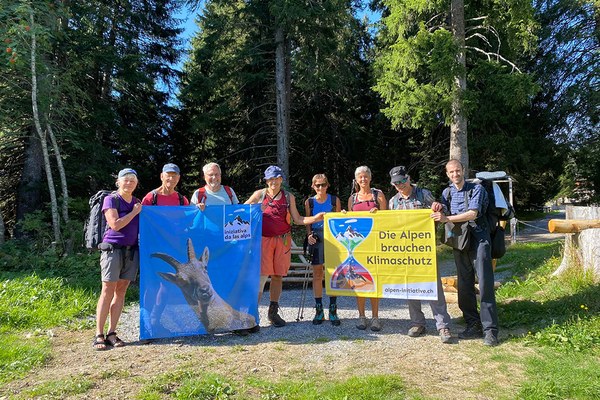
From Triglav National Park in Slovenia to Radnig in Austria and Gondo in Switzerland, on 13 August 2022 people came together to set an example for climate protection. This year’s «Fire in the Alps» was held under the motto «The Alps need climate protection».
The “Green Communities” in the Italian Alps
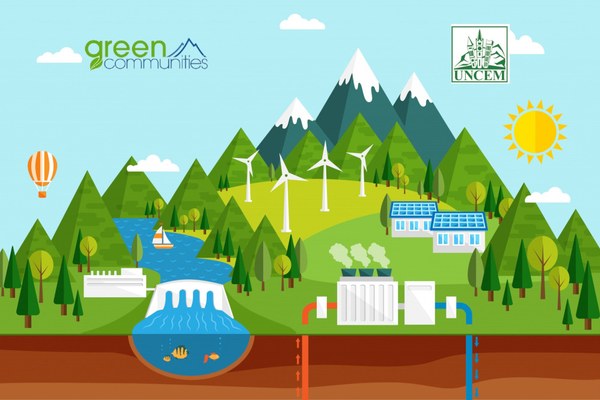
Sustainable management of the built heritage, energy efficiency, environmentally friendly mobility: how can mountain areas be upgraded and the overuse of natural resources curbed? The first “Green Communities” in Italy want to show that this is also possible in a socially acceptable way.
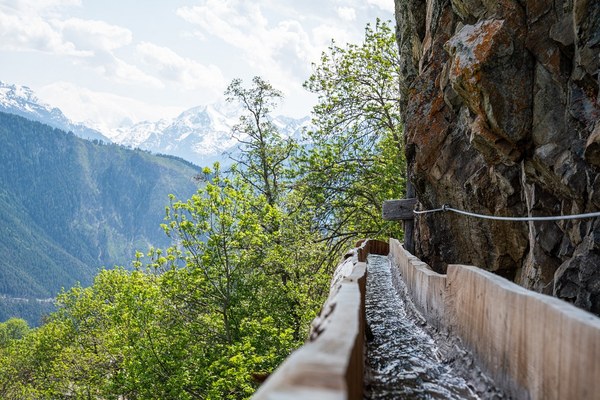
Waale, Suonen, Wasserleiten
Vital for the cultural landscape and biodiversity, and the epitome of community resource management: an application to UNESCO aims to turn traditional irrigation practices into an intangible cultural heritage asset.
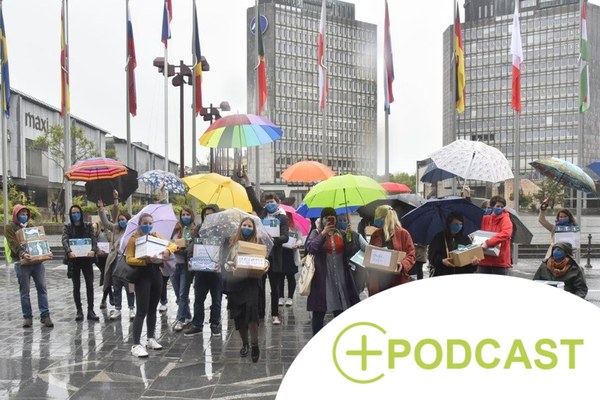
For drinkable water
In a referendum held at the beginning of July, Slovenia’s citizens voted by a clear majority in favour of preserving the shore and coastal zones. In doing so, they overturned a new law that would also have affected Alpine waters.
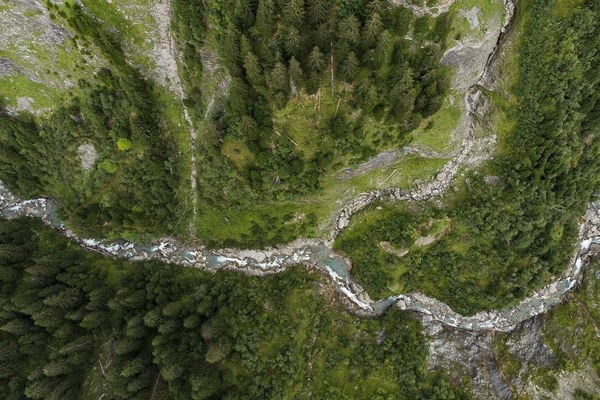
How much hydropower is ecologically sustainable ?
Renovate power plants instead of building new ones, preserve the last freshwater pearls, coordinate use and protection across countries: CIPRA has published a position paper with detailed technical demands on the use of hydropower in the Alps.
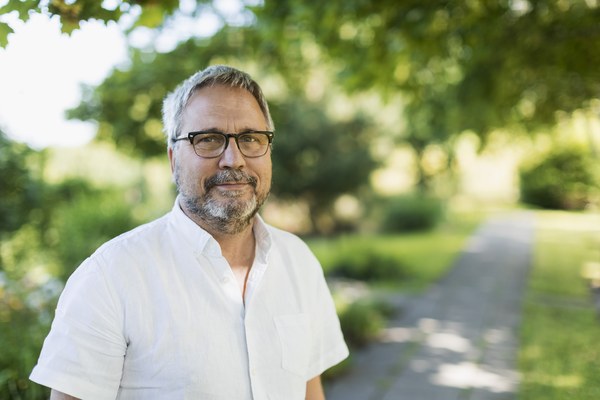
Point of view: Water will not tolerate resistance
Extreme weather conditions are also increasingly affecting the Alps. The climate crisis is driving this development. Can more and more dams, barriers or power stations solve the problem and at the same time satisfy the growing hunger for energy? We must work with the power of water rather than against it, says Kaspar Schuler, CIPRA’s Executive Director and co-author of CIPRA’s new position paper on hydropower.
Point of view: Water needs no borders – do we?
So far, sufficient water is available in the Alpine regions. If there is to be enough for everyone in the future, despite climate change, water must be treated as a common Alpine resource across national borders, says Marion Ebster, Project Manager at CIPRA International.

Rivers connect people
The partners of the Spare Project are as diverse as they are at home in different Alpine countries, comprising as they do a university, two research agencies, two official bodies, a regional office, and two environmental organisations. Together they demonstrate how river management can be improved above and beyond administrative, cultural and technical boundaries.
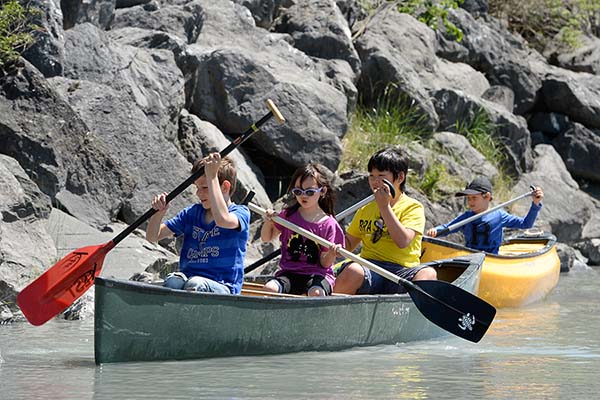
The Alpine Rhine fête
CIPRA Liechtenstein. Taming Europe’s biggest torrent began some two hundred years ago. Today, the Alpine Rhine is a canal, its course lined for the most part by intensively used farmland and residual pockets of wetland forest.
“A picture speaks a thousand words” - SPARE Project communicating through multimedia
With a brand new collection of infographics and photo books the SPARE Project partners aim at visually communicating the current river management processes in each of the project’s five Pilot Case Study sites.
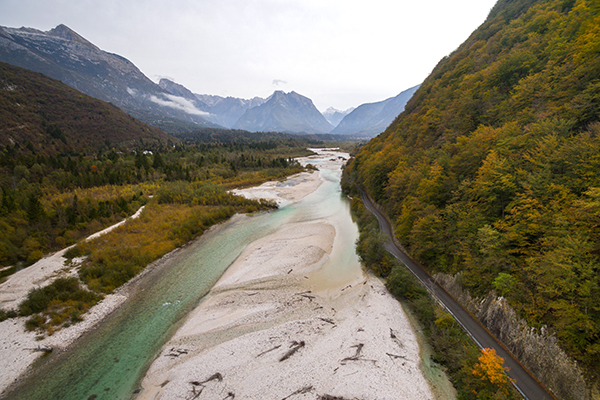
International Day of Action for Rivers
Fishing, farming, swimming, canoeing, hiking, drinking…. All in all, we are thousands of people benefiting from the resources provided by alpine rivers. However, only healthy rivers can provide these so-called ecosystem services. Alpine river ecosystems are vulnerable and often under pressure from various human activities. Can we do more to protect them? Yes!
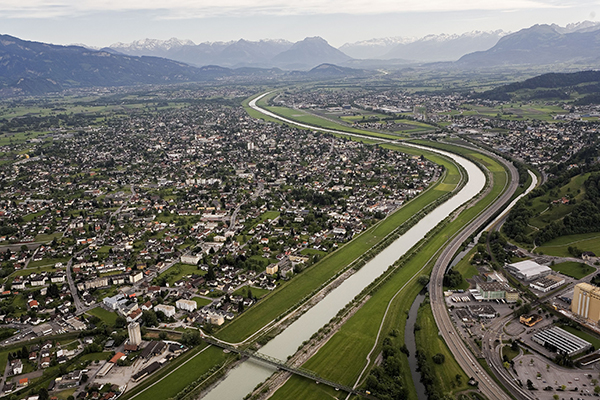
One river, numerous desires: disagreements about the Alpine Rhine
A current bone of contention between different interest groups is the priority to be given to the various uses made of the Alpine Rhine: as a farming area, as a habitat for the little ringed plover and the German tamarisk, or as a drinking water reservoir. SPARE, a new European Union project for the Alpine region, will offer assistance for the holistic management of watercourses.